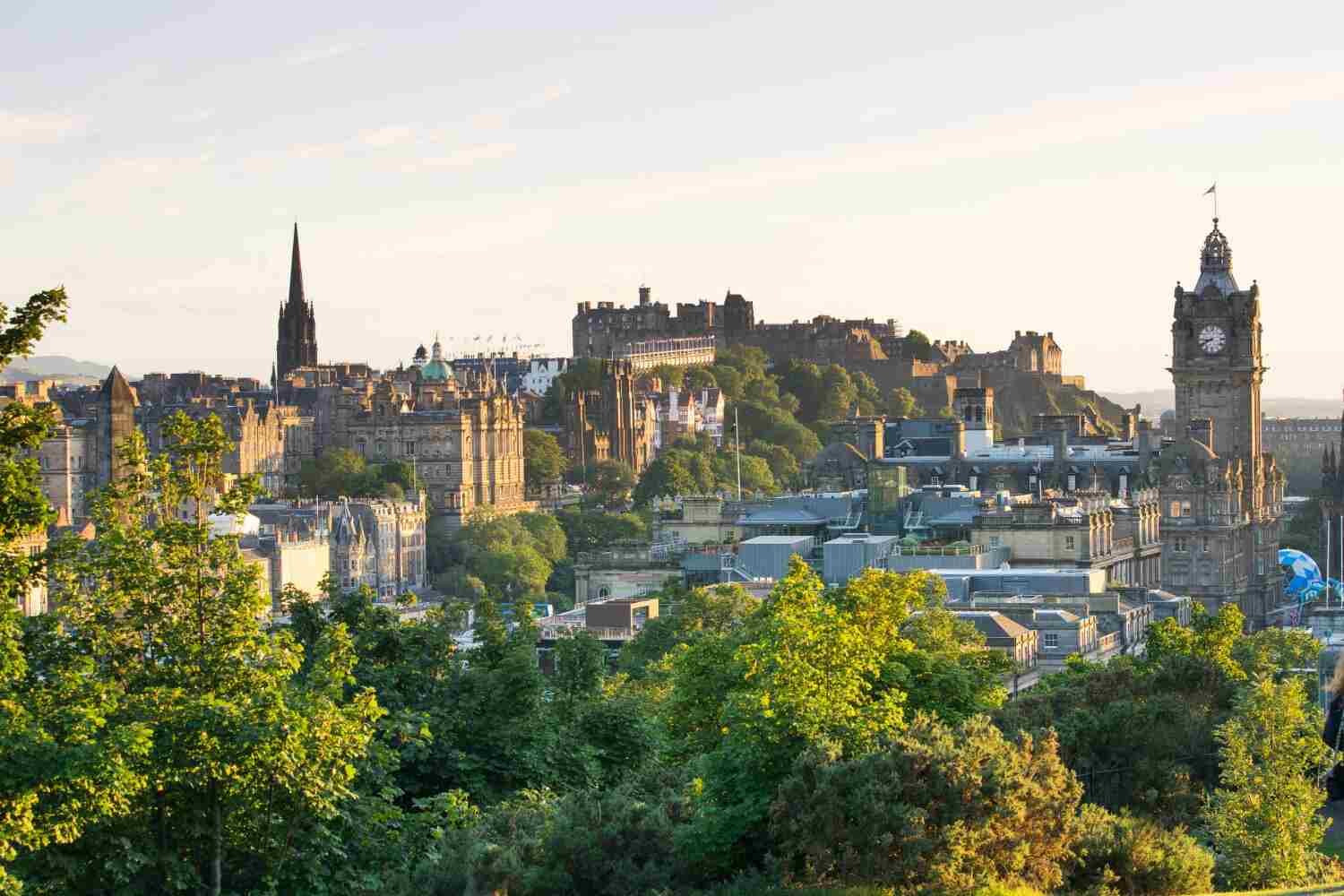
The Scottish Highlands look different every season. In spring, the hills become a fresh green. The summer days are longer. In the autumn, the trees change colour. In winter, snow blankets the mountains. There are pleasures in each season. But the weather, daylight hours, and number of visitors vary significantly throughout the year.
The best time for your trip depends on what you want to do. Maybe you want to walk the hills. Maybe you want to see old castles or take pictures of the lochs. Or maybe you want roads with fewer tourists and more quiet.
This blog covers the weather, best months, and travel tips for each season. By the time you finish, you’ll know when to plan your visit and what to expect.
Spring in the Scottish Highlands
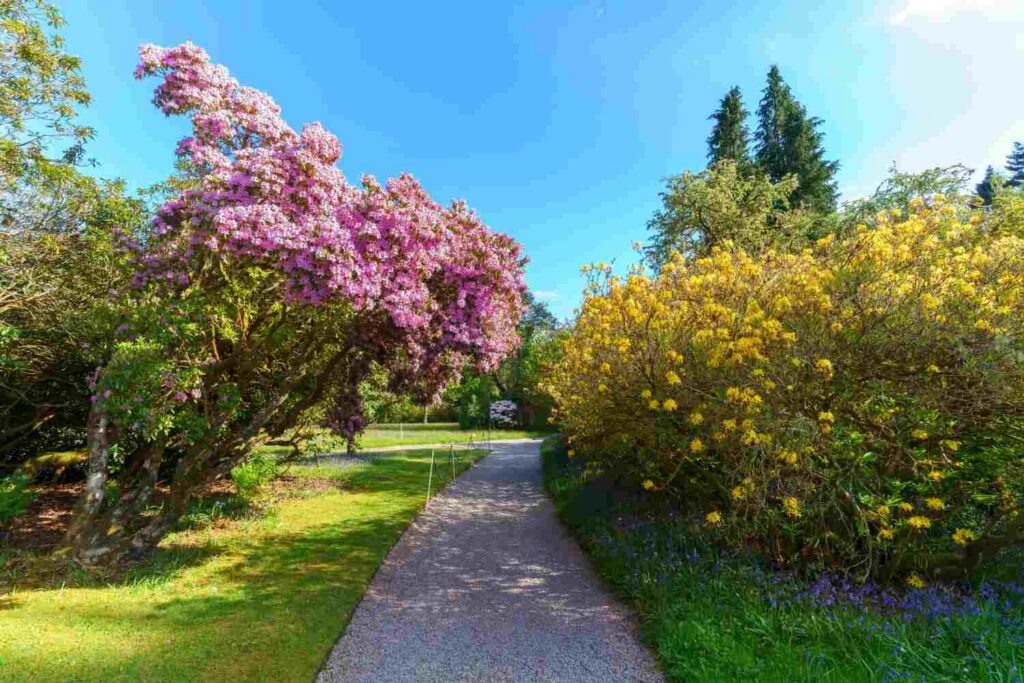
Spring is a good time to visit. The hills get green. Flowers begin to grow. The days are growing longer. In March and early April, some mountaintops may still have snow.
Temperatures usually range from 5°C to 15°C, depending on the month and location. There is a lot of rain, so take a waterproof coat and shoes.
Spring has fewer visitors than summer. You will have more room to explore tiny villages. You can walk along the lochs and stop for photos.
May is a particularly excellent month for longer walks. The weather warms up, and it gets dark late. Midges start to appear. Midges are tiny biting insects. You’ll mostly find them around water and in wooded areas.
Spring is particularly lovely if you want fresh scenery and fewer crowds.
Summer in the Scottish Highlands
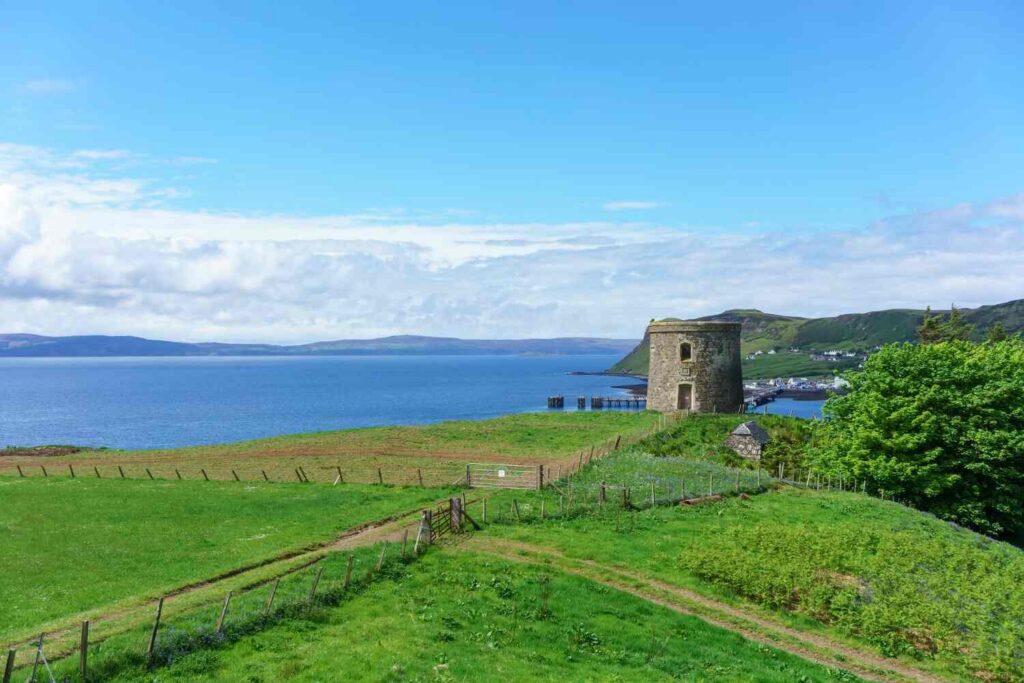
Summer is one of the best times to visit the Scottish Highlands. The long days give you more time to explore mountains, castles, beaches, and small towns. In June, there are many hours of daylight, especially in the northern Highlands.
Temperatures normally vary between 12°C and 20°C, but cooler and warmer days may occur. Rain is still possible with little warning, so take a raincoat and gumboots for safety.
Summer is ideal for walking, boat trips, wildlife watching and scenic drives. You will have more time in one day to visit places like Loch Ness, Glencoe and the Isle of Skye. You can also see red deer, seals and birds along the coast.
Popular spots are crowded, hotels fill up fast, and some roads can be jammed. Book your room and main activities in advance, especially in July and August.
Midges also come out in warm, wet weather. Use insect repellent and wear light clothing that covers your whole body.
Summer is a good choice for first-timers who want long days and lots of outdoor activities.
Autumn in the Scottish Highlands
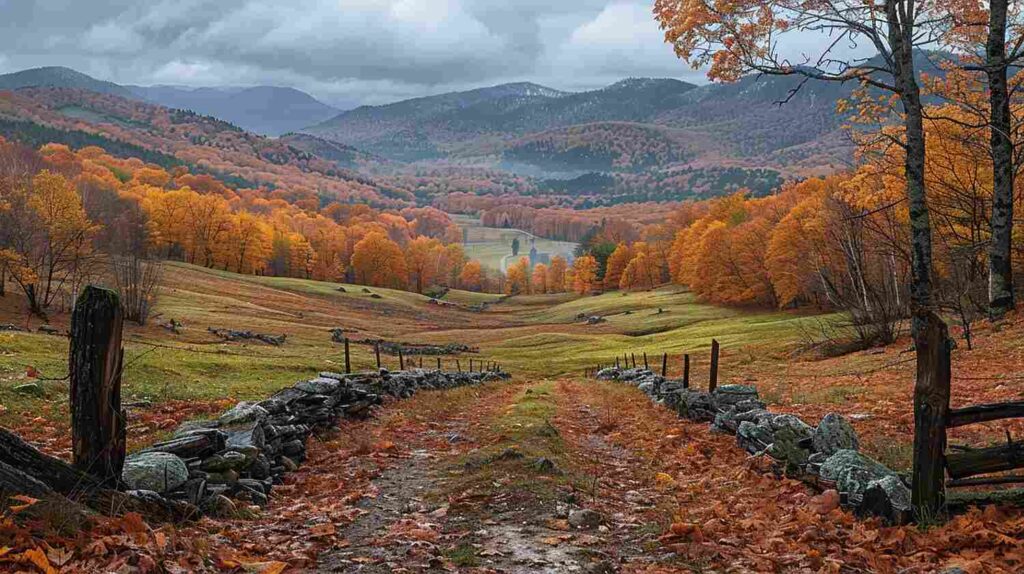
Autumn brings colourful trees, cooler air and fewer visitors. Forests turn yellow, orange, and red. The hills look different from their summer appearance, making the season a great time for photography and peaceful walks.
In September, the weather is generally mild, often around 10°C and rarely above 16°C. October cools down. November has shorter days and more rain. As winter approaches, snow may occur on higher ground.
Early autumn is lovely for scenic drives and walks in places like Glencoe and the Cairngorms. Later in the year, some hotels and attractions start to cut back on their hours.
For more information, please see our Scotland in November Travel Guide: Weather, Places & Tips.
Bring warm layers, waterproof clothes and shoes with excellent traction. Check the local weather reports before you leave, especially if you are planning a long walk.
Autumn is a good time for travellers who enjoy colourful views and quiet travel.
Scottish Highlands in Winter
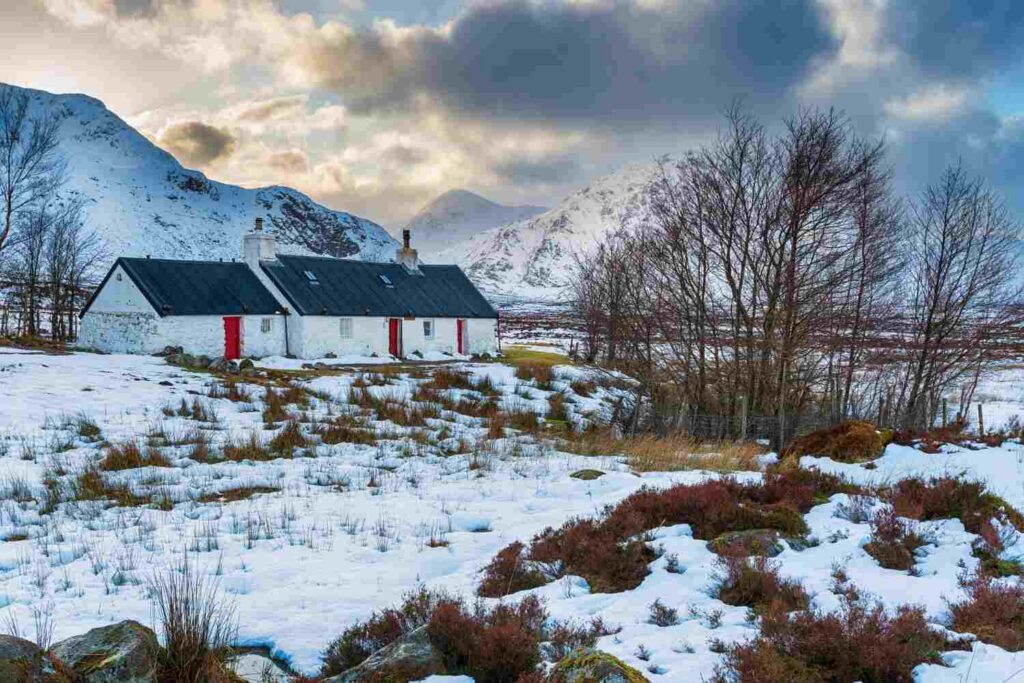
Sometimes snow covers the mountains. Frost comes on the hills. The days seem shorter. Under a clear winter sky, some places look beautiful. Other places stay wet and windy.
Winter temperatures in the lower areas are often between 0°C and 7°C, while the mountains are usually colder. Roads can get icy, and snow can make travel difficult. Check road reports before driving to remote areas or between towns.
When to visit the Scottish Highlands depends on what you want to see and do. Winter is a good choice if you prefer quieter towns, cosy accommodation and views of snow-capped mountains. When there is enough snow, you can also ski or snowboard at mountain resorts. Be prepared for cold weather, shorter days and possible travel delays.
Be flexible with your plans. Some attractions are partly closed for winter. Buses and trains may not be as frequent in remote areas. Bring warm clothes, waterproof boots and extra layers.
Some Highland towns hold Christmas events and put up festive lights in December. January and February are usually slow months, with fewer people at famous places.
Winter is a pleasant time if you don’t mind the cold and want a quiet trip. If you are driving, it takes more planning than in summer.
What Month Is Best for Your Trip?
The best month to visit the Scottish Highlands depends on your plans, budget and weather preferences. Here is a quick look at what each part of the year brings.
- March and April: Good for quiet trips and early spring sights. Expect cold days and changeable weather.
- May: Longer days, fresh scenery and fewer summer crowds.
- June: Plenty of daylight and time for sightseeing.
- July and August: Likely to be warm, but with higher visitor numbers and prices.
- September: Cool days, the first signs of autumn colours, and fewer crowds.
- October: Great for forest colours and scenic drives. More rain and shorter days.
- November: Quiet towns and moody views, though some attractions have shorter hours.
- December to February: Cold weather, possible snow, and fewer tourists.
May, June, and September are particularly worthwhile months to consider. They offer a good mix of daylight hours, outdoor activities, and a chance to avoid the most crowded summer weeks.
When thinking about the best time to visit the Scottish Highlands, start with your main plans. A walking holiday requires different weather than one centred on castles, villages and short drives.
Tips for Planning Your Highland Trip
A little planning goes a long way, no matter the season.
- Wear layers. The weather can change quickly, even in summer.
- Carry waterproof clothing. Rain can happen year-round.
- Book early for summer. Hotels and tours fill up quickly.
- Check road conditions. Winter snow and ice affect some routes.
- Allow time between stops. Highland roads are twisty and narrow.
- Check opening times. Some attractions close early or have reduced hours in winter.
- Plan for midges. In summer, insect repellent is advisable, especially near lochs and in wooded areas.
For more inspiration, check out our guide to the Enchanting Scottish Highlands and our list of the Best Places to Visit in Scotland.
Visit the Scottish Highlands
Each season shows a different face of the Highlands. Spring and autumn are best for travellers who prefer quieter places. In summer you have longer days outdoors, and in winter you have cold weather and quiet views.
Consider where you’d like to go, what you’d like to do and what weather you like. With the right plan, you’ll have more time to enjoy the scenery and less time worrying about travel problems.
Go Highlands Tours helps travellers plan trips around the Scottish Highlands, with routes and stops tailored to their interests and schedule.
FAQs
Q1. When is the best time to visit the Scottish Highlands?
Many travellers like May, June and September. The weather is mild, and the days are long. It is also quieter than at the height of summer.
Q2. What is the warmest month in the Highlands?
July is usually one of the warmest months. Daytime temperatures are often 15°C to 20°C. But it can be cooler, and it can rain.
Q3. When is the cheapest time to visit the Scottish Highlands?
Late autumn and winter often have lower hotel prices than summer. Prices vary by location, school holidays, and local events.
Q4. Is November a good time to visit the Highlands?
Yes, if you like quiet places and cool weather. It rains a lot, and the days are short. Some places also have shorter hours.
Q5. How many days should I spend in the Scottish Highlands?
If you want to see a few of the main places, three to five days is a good start. A longer trip allows you more time for the Isle of Skye, small remote villages and scenic walks.