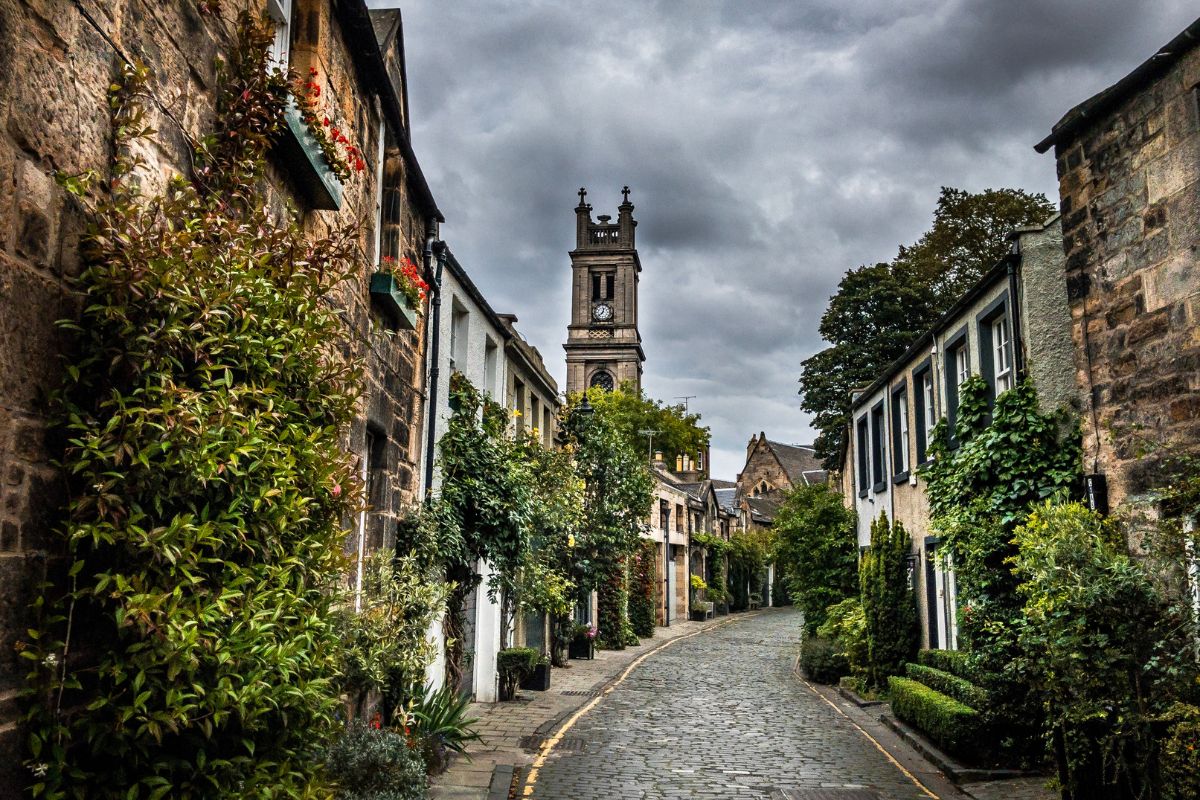
Scotland in November feels very different from the busy summer season. The days are shorter, the air is colder, and rain can appear without much warning. But that doesn’t mean you should skip Scotland at this time of year.
In fact, November can be a lovely month for travellers who enjoy peaceful streets, dramatic landscapes, cosy pubs, historic castles, and quiet countryside. You won’t have the long daylight hours of summer, but you’ll also avoid many of the crowds that arrive in June, July, and August.
The key is to plan your days carefully and pack for changing weather. With the right approach, visiting Scotland in November can be a memorable experience.
What Is the Weather Like in Scotland in November?
November is a cool and often wet month across Scotland. Average daytime temperatures are usually around 7°C to 9°C, while nights can become quite cold. In the Highlands and other higher areas, temperatures can drop further, especially after sunset.
Rain is common, but you shouldn’t expect it to rain all day, every day. Scottish weather can change quickly. You might wake up to sunshine, see clouds roll in a few hours later, and then get a short spell of rain before the evening.
Wind can also make the weather feel colder than the actual temperature. In coastal areas and open Highland landscapes, strong winds are possible.
Snow is also possible in November, especially in the Highlands and higher mountain areas. However, snow isn’t guaranteed across the country. Edinburgh, Glasgow, and other lower areas are more likely to experience cold rain than heavy snow.
The best way to prepare is to expect a little bit of everything.
How Many Hours of Daylight Are There?
Short days are one of the biggest differences between November and summer. The sun rises much later and sets much earlier, so you have fewer hours for sightseeing and scenic drives. By late November, darkness arrives quite early.
This matters if you’re planning a road trip through the Highlands. Try to start your day early and complete long drives before it gets dark. You should also avoid planning too many outdoor activities for one day.
The shorter days aren’t necessarily a bad thing. They simply mean you need to slow down and plan your itinerary around the available daylight.
Are There Fewer Crowds in November?
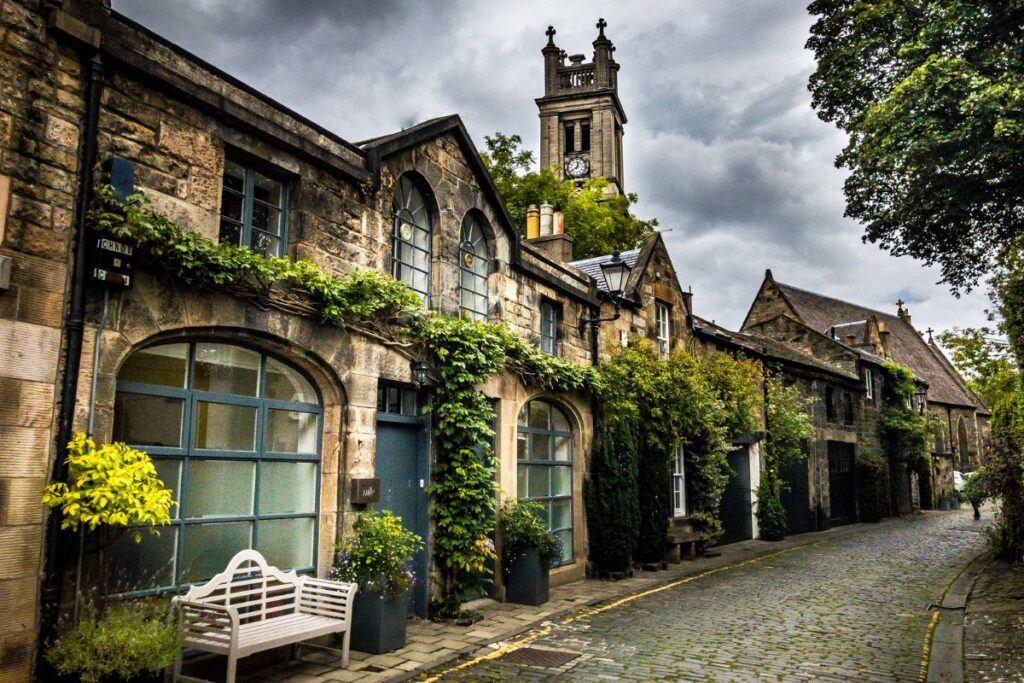
Yes. November is generally much quieter than Scotland’s summer months.
Popular places such as Edinburgh’s Old Town, Highland viewpoints, and major castles can feel more relaxed. You may still see other tourists, but you are less likely to experience the long queues and busy streets common during peak season.
This is a major advantage if you prefer travelling at your own pace.
Hotels and holiday accommodation may also offer better prices than during the busiest months, although prices vary depending on location, dates, and events.
The quieter atmosphere is particularly nice in Scotland’s smaller towns and countryside. You can stop for coffee, explore local shops, take photographs, and enjoy the scenery without constantly feeling rushed.
One thing to remember is that some attractions and tours have shorter opening hours in November. Some seasonal businesses may also close for part of the winter. Always check opening times before making a long journey.
Best Things to Do in Scotland in November
1. Explore Edinburgh
Edinburgh is one of the easiest places to enjoy in November because there is plenty to do both indoors and outdoors.
Start with Edinburgh Castle and walk through the historic Old Town. Take your time along the Royal Mile and explore the narrow streets and old buildings around it.
If the weather turns wet, head indoors. Edinburgh has museums, galleries, historic attractions, cafés, restaurants, and traditional pubs where you can escape the cold.
The city also looks beautiful on darker autumn days. The old stone buildings, narrow streets, and warm lights from cafés and shops create a cosy atmosphere.
2. Explore the Scottish Highlands
The Highlands are one of Scotland’s biggest attractions, and November gives the landscape a completely different character.
You may see mist sitting over a loch, dark clouds around the mountains, autumn colours in the forests, and waterfalls running strongly after rainfall.
Popular places to include are Glencoe, Loch Ness, Fort William, and the Cairngorms.
If you’re planning a road trip, don’t try to see everything in one day. The roads can be slower than expected, and short daylight hours give you less time for sightseeing.
Choose a few places and enjoy them properly rather than spending most of your trip behind the wheel.
3. Visit Scotland’s Castles
November is a good time to explore Scotland’s historic castles. Edinburgh Castle is an obvious choice, but you can also consider Stirling Castle and other historic sites depending on your route.
Castles are especially useful on rainy days because they give you something interesting to explore when outdoor plans don’t work. Before travelling, check the official website of each attraction for opening hours and ticket information. Some attractions change their schedules outside the summer season.
4. Spend Time in Museums and Galleries
Scotland isn’t only about mountains and lochs. Cities such as Edinburgh and Glasgow have excellent museums and galleries, making them useful stops when the weather isn’t suitable for outdoor sightseeing.
You can spend a few hours learning about Scottish history, art, science, and culture before heading out for dinner. Adding indoor attractions to your itinerary also gives you a break from the cold.
5. Visit a Whisky Distillery
November weather is perfect for a whisky experience. Scotland is famous for its whisky, and many distilleries offer tours where you can learn about the production process and the history behind the drink.
You can find distilleries in different parts of Scotland, so consider adding one to your route rather than travelling a long distance just for a visit.
If you’re driving, remember that the driver shouldn’t drink. A guided tour or public transport can be a better option if tasting is part of your experience.
6. Experience St Andrew’s Day
If you’re in Scotland towards the end of November, you may be able to experience St Andrew’s Day on 30 November. St Andrew’s Day celebrates Scotland’s national patron saint and is marked by cultural events, music, dancing, traditional food, and ceilidh gatherings.
Events vary from year to year and from one place to another, so check local listings before your trip. It’s a great opportunity to experience Scottish culture beyond the usual tourist attractions.
7. Enjoy a Cosy Countryside Stay
Not every day needs to be packed with sightseeing. November is a great time to slow down and stay in a countryside hotel, lodge, guesthouse, or cottage.
Spend the day exploring nearby villages or walking when the weather allows. Then return somewhere warm for dinner and a quiet evening. This can be one of the most enjoyable ways to experience Scotland during the colder months.
What Should You Pack for Scotland in November?
Packing properly can make a huge difference to your trip. Instead of packing one extremely heavy coat, take several layers. This allows you to adjust your clothing when temperatures change.
Your November packing list should include:
- A warm waterproof jacket
- Fleece or warm jumpers
- Long-sleeve shirts
- Waterproof walking shoes or boots
- Warm socks
- Gloves
- A hat or beanie
- Comfortable trousers
- A small backpack
- Portable power bank
- Reusable water bottle
- Compact umbrella
Waterproof footwear is particularly important if you plan to walk through countryside areas. Trails can become wet and muddy after rain. Don’t forget to keep a waterproof layer in your day bag, even when the morning looks clear.
Travel Tips for Scotland in November
Plan Around Daylight
Check sunrise and sunset times before planning your day. Try to do scenic drives, hikes, and outdoor sightseeing during daylight hours.
Keep Your Plans Flexible
Don’t create an itinerary where every hour is fixed. If strong rain or wind affects your plans, having a backup activity will save you from wasting the day.
For example, you could visit a museum or castle instead of taking a long outdoor walk.
Check Opening Hours
This is particularly important in November. Some attractions operate shorter hours, while some seasonal businesses may close for winter.
Always check before setting off, especially if the attraction is far from where you’re staying.
Take Your Time on Highland Roads
Driving in the Highlands can be a wonderful part of the trip, but rural roads may be narrow and winding.
Weather can also affect driving conditions. Don’t rush, and allow extra time for your journey. Avoid planning a long drive after sunset if you’re unfamiliar with the area.
Book Accommodation in Advance
November is quieter, but that doesn’t mean you can always find a room at the last minute. If you’re travelling to popular areas such as Edinburgh or the Highlands, book your accommodation early, particularly if you have specific requirements or fixed travel dates.
Don’t Let Rain Ruin Your Trip
Rain is part of the Scottish experience. Instead of waiting for perfect weather, plan activities that work in different conditions. A rainy morning can turn into a clear afternoon, so don’t automatically cancel your plans because you see clouds outside.
A good waterproof jacket and a flexible attitude can go a long way.
Is Scotland Worth Visiting in November?
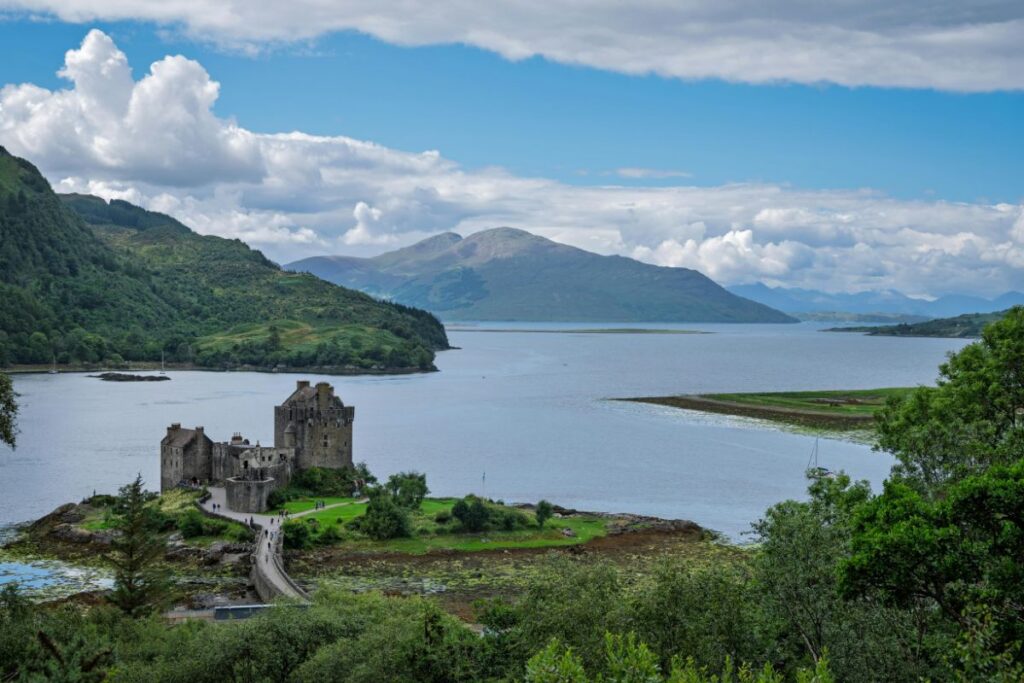
So, is November a good time to visit Scotland? For the right traveller, absolutely.
You won’t get the long summer days or consistently mild weather, but November has its own appeal. The country is quieter, the landscapes can look dramatic, and cities such as Edinburgh and Glasgow offer plenty of indoor activities when the weather turns cold.
It’s also a good month for travellers who enjoy a slower pace. You can explore historic castles, visit museums, discover Scottish food and whisky, take scenic drives, and spend evenings in cosy pubs.
The most important thing is to prepare for the weather. Pack warm layers, waterproof clothing, and good walking shoes. Plan outdoor activities around daylight, check attraction opening times, and leave some flexibility in your schedule.
If you’re happy to trade sunny summer days for quieter streets, dramatic skies, and a more peaceful Scottish experience, visiting Scotland in November can be well worth it.
Frequently Asked Questions About Visiting Scotland in November
Q1. Is November a good time to visit Scotland?
A. Yes, November can be a good time to visit Scotland if you don’t mind cold, wet, and changeable weather. The country is quieter than during the summer, and you can enjoy popular cities, castles, museums, and Highland landscapes with fewer crowds.
Q2. How cold is Scotland in November?
A. Temperatures in Scotland are usually cool in November, with daytime temperatures often around 7°C to 9°C. Nights can be colder, especially in the Highlands. Wind and rain can also make it feel colder, so warm layers and a waterproof jacket are recommended.
Q3. Does it snow in Scotland in November?
A. Snow is possible in Scotland in November, particularly in the Highlands and higher areas. However, snow isn’t guaranteed. Lower areas and major cities such as Edinburgh and Glasgow are more likely to experience cold rain than heavy snow.
Q4. Does it rain a lot in Scotland in November?
A. Rain is common in November, but it doesn’t necessarily rain all day. Weather can change quickly, with sunshine, clouds, wind, and showers sometimes appearing on the same day. A waterproof jacket and shoes are useful throughout your trip.
Q5. Is Scotland crowded in November?
A. Scotland is generally much less crowded in November than during the peak summer season. Popular attractions can still have visitors, but you’ll usually find a more relaxed atmosphere. This makes November a good choice if you prefer quieter sightseeing.
Q6. What are the best places to visit in Scotland in November?
A. Edinburgh, Glasgow, the Scottish Highlands, Glencoe, Loch Ness, Fort William, and the Cairngorms are all worth considering. Your choice will depend on how much time you have and whether you’re interested in cities, history, nature, or scenic road trips.
Q7. What should I wear in Scotland in November?
A. Dress in layers so you can adjust to changing temperatures. Bring a warm waterproof jacket, fleece or jumper, long-sleeve clothing, waterproof walking shoes, warm socks, gloves, and a hat. Comfortable waterproof footwear is especially useful for outdoor activities.
Q8. Is it worth visiting the Scottish Highlands in November?
A. Yes. The Highlands can look dramatic in November, with misty mountains, dark skies, autumn colours, and flowing waterfalls. However, daylight hours are short, so plan your route carefully and check weather and road conditions before travelling.
Q9. Can I drive around Scotland in November?
Yes, you can drive around Scotland in November, and a road trip can be a great way to see the countryside. However, rural roads can be narrow and winding, while rain, wind, fog, and early darkness can make driving more difficult. Leave extra time for journeys and avoid rushing.
Q10. Are attractions open in Scotland in November?
A. Many major attractions remain open, especially in cities, but some may have shorter opening hours or seasonal closures. Always check the official website of an attraction before visiting, particularly if you’re planning a long journey.
Q11. What events take place in Scotland in November?
A. St Andrew’s Day takes place on 30 November and is one of the main cultural events to look out for. Depending on the year and location, you may find ceilidhs, music, dancing, food events, and other celebrations around this date.
Q12. How many days do you need in Scotland in November?
A. A trip of 5 to 7 days gives you enough time to combine Edinburgh with parts of the Highlands without rushing too much. If you have more time, 8 to 10 days allows you to explore additional towns, scenic areas, and islands at a slower pace.
Q13. Is Scotland expensive to visit in November?
A. November can sometimes be more affordable than the peak summer months, particularly for accommodation, but prices vary by destination and travel dates. Edinburgh can still be busy around major events, so it’s worth comparing accommodation and transport prices before booking.
Q14. What are the main advantages of visiting Scotland in November?
A. The biggest advantages are fewer crowds, a peaceful atmosphere, dramatic autumn and early-winter scenery, and plenty of indoor attractions. November is especially suitable for travellers who enjoy history, food, whisky, museums, cosy pubs, and scenic landscapes rather than warm-weather activities.