• Best Off-Road Biking Partner

    Hidden Gems, Scenic Routes & Guided Tours

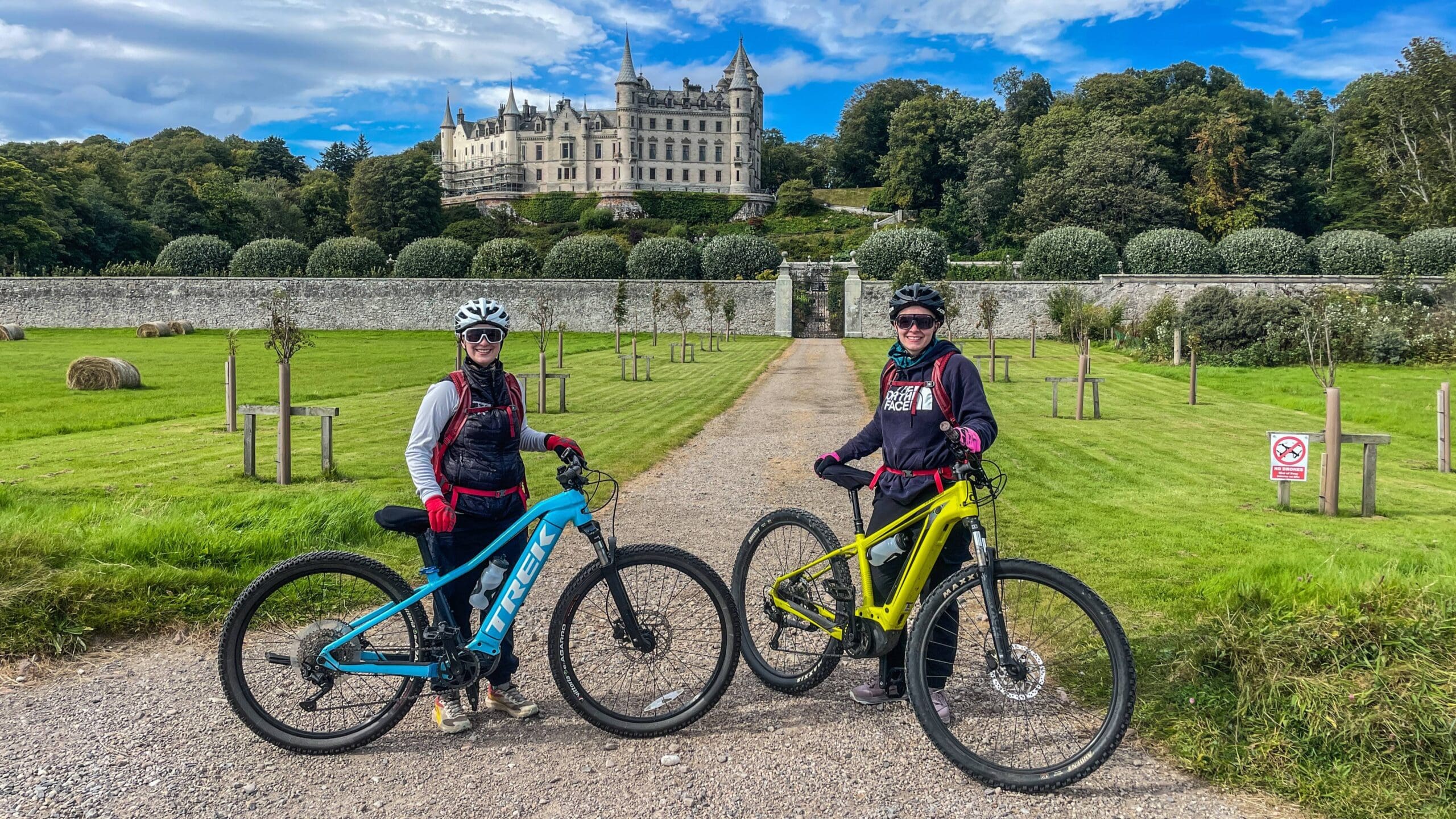
    Guided cycling tour in the North Highlands NC50nfront of Dunrobin Castle

    An Immersive Experience

    The North Highlands are one of the best places to cycle in Scotland, with peaceful roads, dramatic coastlines and endless landscapes to explore. In this blog, Kevin Stacey of guiding company 42 Cycling shares the exhilarating adventures that await when you take the road less travelled, on two wheels. From guided cycling tours to e-bike adventures and hidden gem routes, 42 Cycling helps visitors experience the North Highlands in a deeper, more memorable way.

    Why the North Highlands is Scotland’s Best Cycling Destination

    At 42 Cycling, we believe the North Highlands are best experienced on two wheels. From quiet single-track roads to vast open landscapes, this is a place made for exploration by bike. Our aim is simple: to transport you to extraordinary places by bike, removing all barriers to achieving this. Through our unique guided experiences, our guests can discover some of the most remarkable and unspoilt landscapes in Europe.

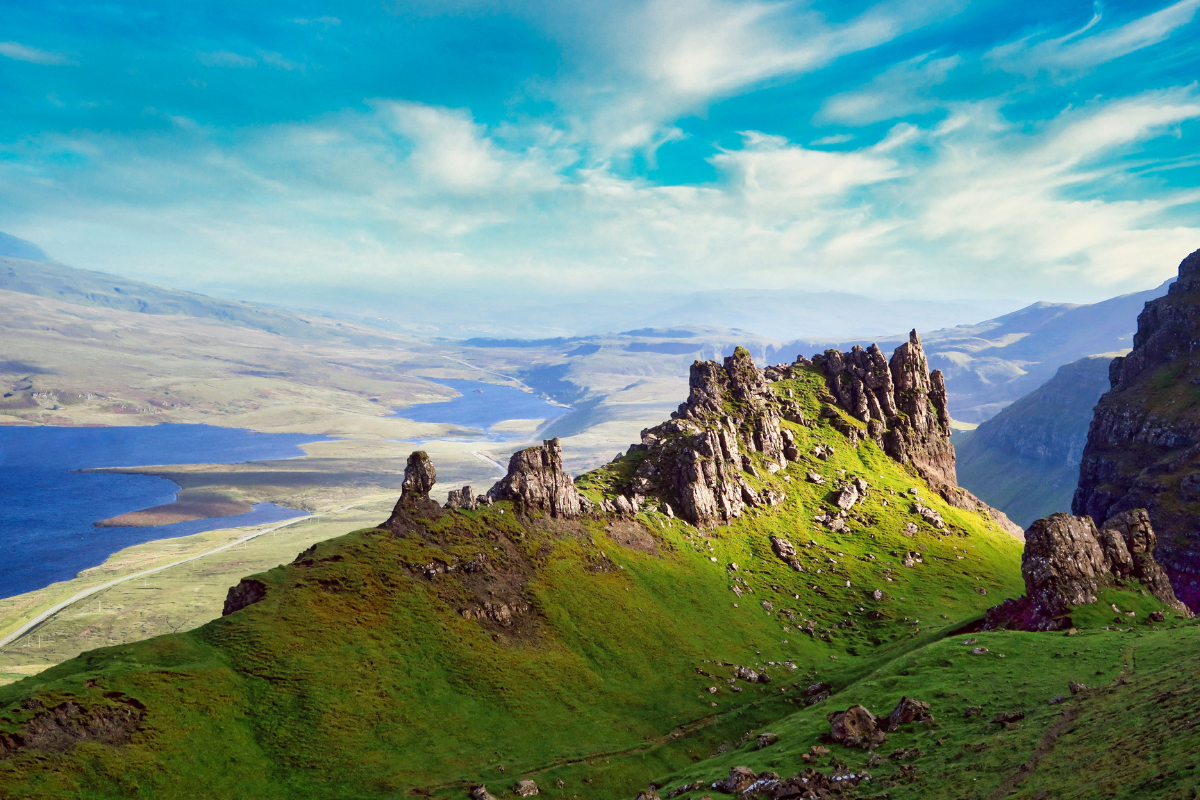
    What we love most about the North Highlands is just how varied it is. Within a relatively small area, you can experience the dramatic, atmospheric west coast and then head east to find rolling fields, open landscapes and big skies. You really do get a bit of everything. That diversity is a huge part of what makes cycling here so special, and why it appeals to such a wide range of guests. Take a closer look at Venture North’s Area Guides to learn more about what each area has to offer.

    Cycle tour of the North Coast 500 taking in North Highland Views

    Discover Hidden Gems You Can Only Reach by Bike – Quiet roads, Waterfalls & Caves

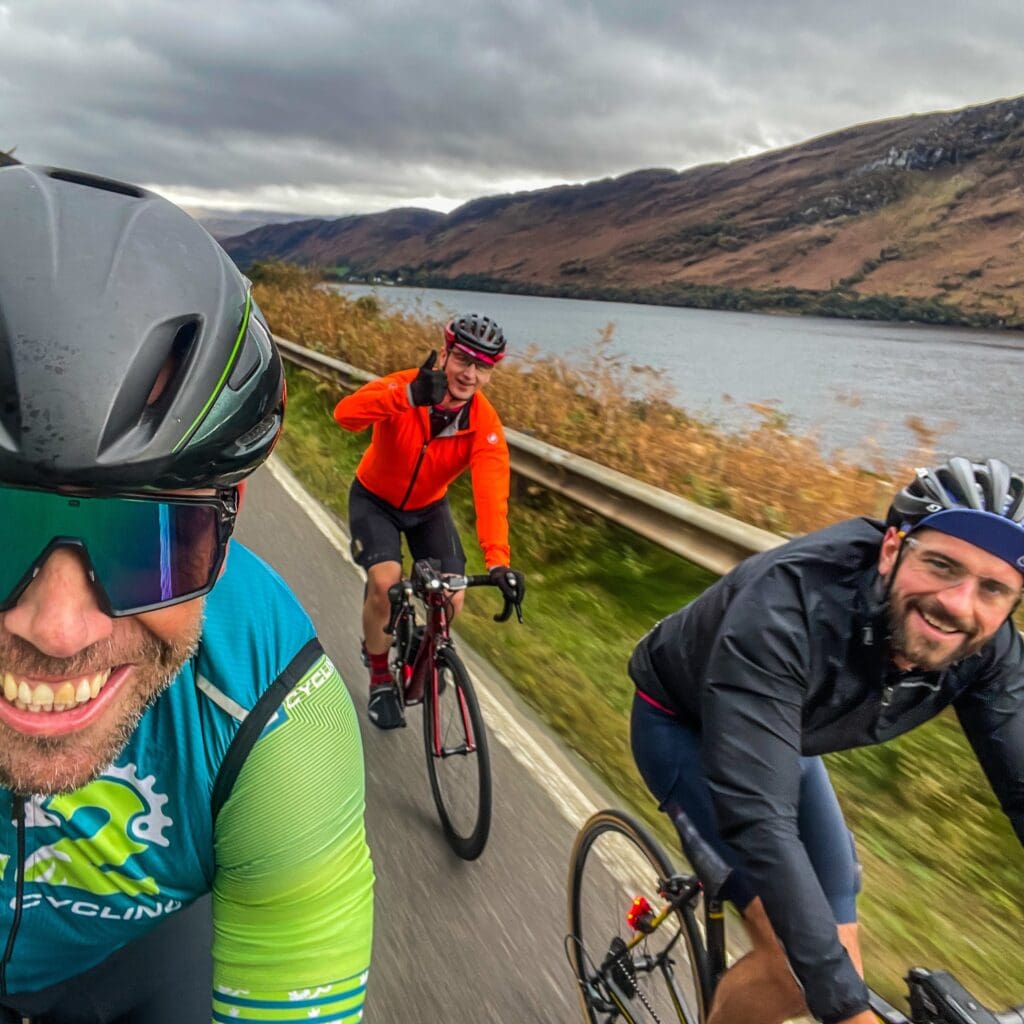
    Cycling allows people to experience this variety in a way that simply isn’t possible from a car. When you’re on a bike, you’re not watching the landscape pass by through a window – you’re in it. You feel the wind, smell the air, hear the wildlife and sense the subtle changes in terrain beneath you. It’s immersive, engaging and grounding, and it brings people fully into the present moment.

    Many of our guests come north looking for the rugged, raw feeling that the far north has to offer. They want landscapes that feel untamed and authentic. Even when the weather isn’t perfect, that sense of adventure is part of the appeal. We always provide waterproofs to keep people warm and comfortable, but interestingly, cycling in inclement weather often leaves guests feeling euphoric and alive. There’s a real sense of achievement that comes from having done something challenging – something that feels slightly extreme – all while knowing we’re working in the background to keep them safe, supported and happy.

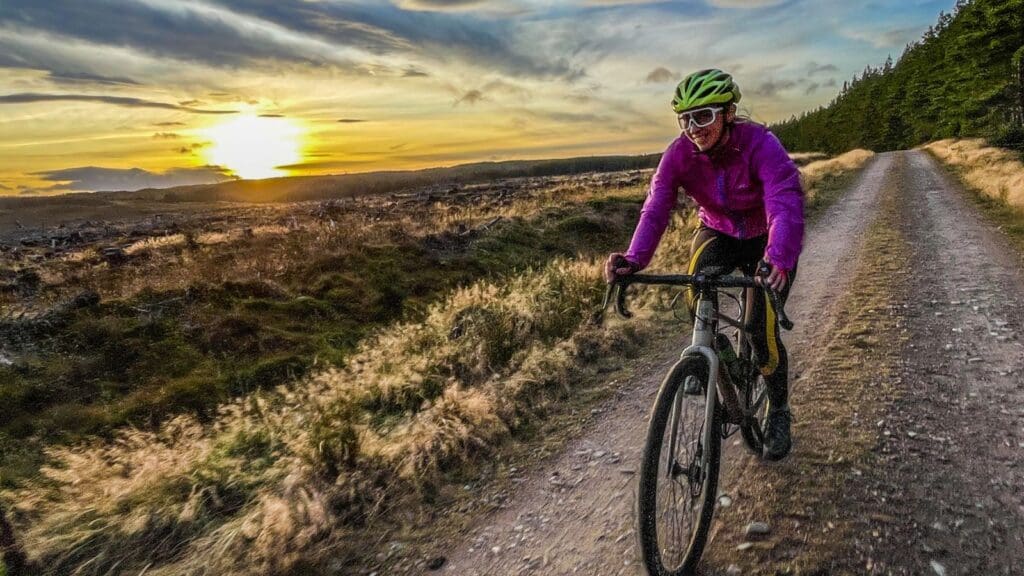
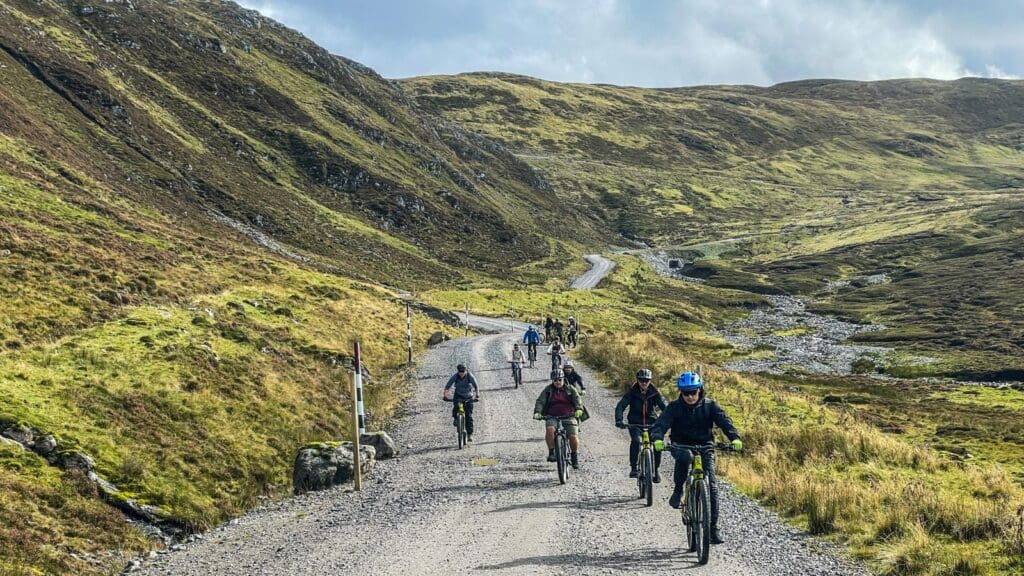
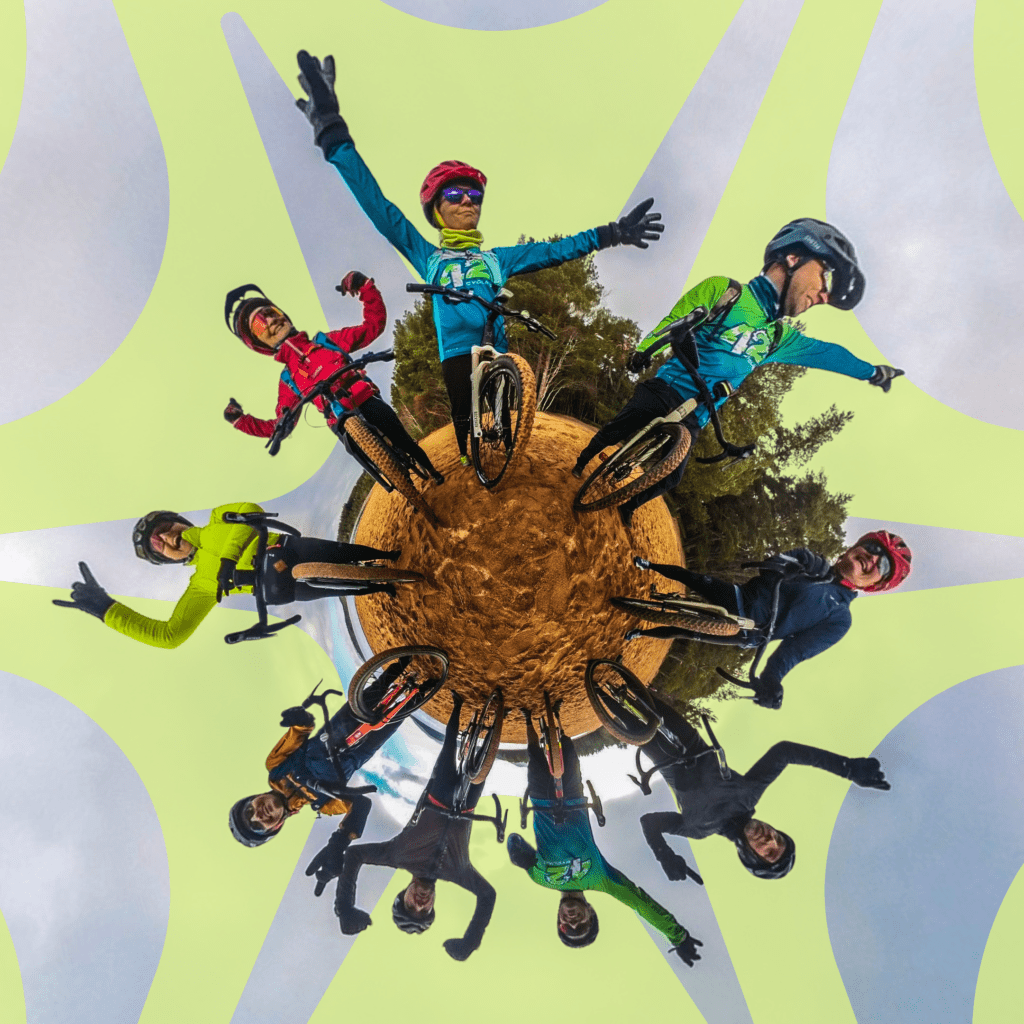
    A group exploring the trails of the North Highlands by guided bike tours

    Guided Tours and Cycling Adventures

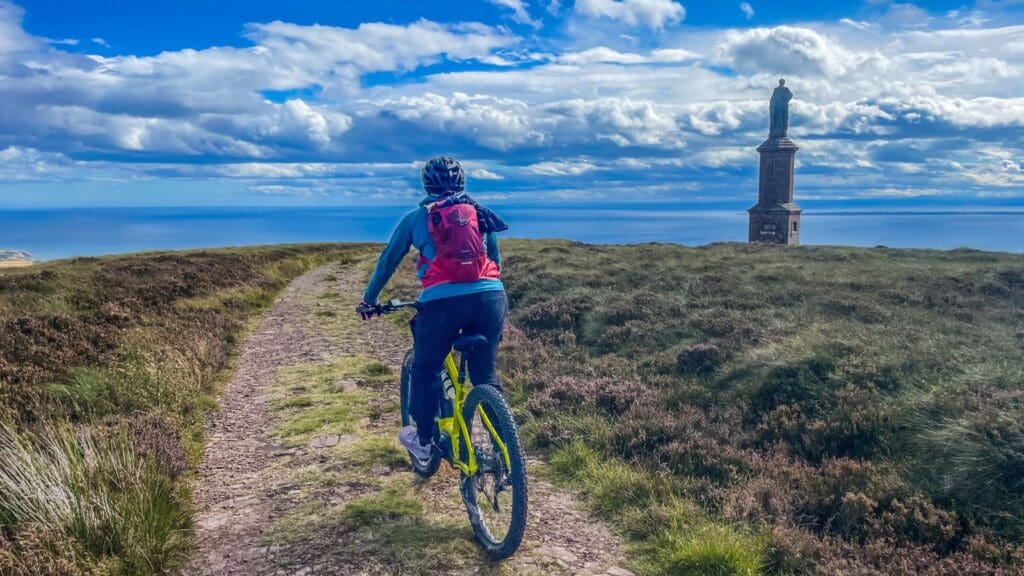
    Another major draw is the remoteness of the area. The North Highlands are one of the last remaining wildernesses of Europe, and that sense of space is something people increasingly crave. Quiet roads, vast horizons and the feeling of being far away from it all creates an experience that’s hard to find elsewhere. Cycling gives access to places you would never normally reach – secret waterfalls, hidden caves, and remote summits with panoramic views.

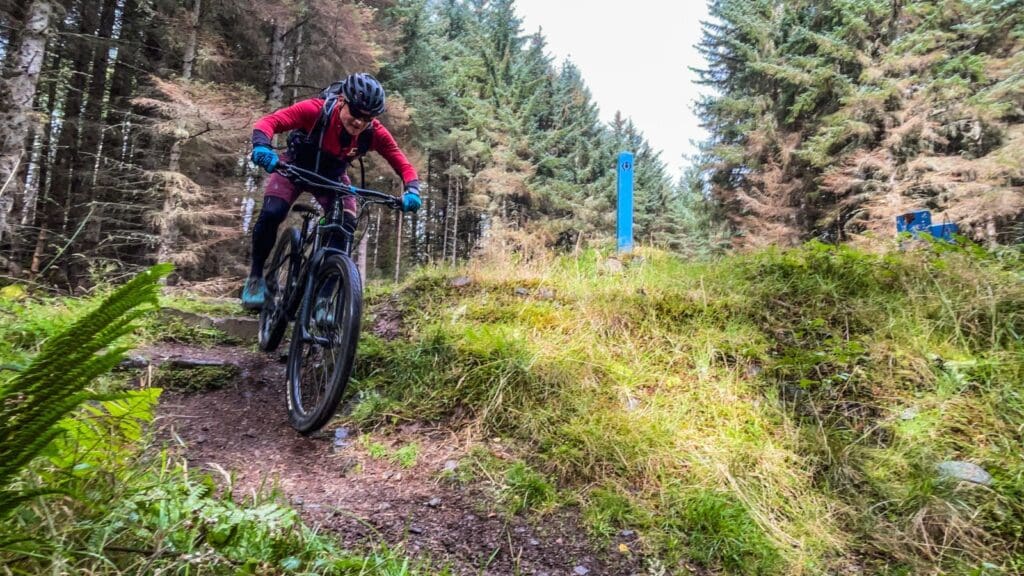
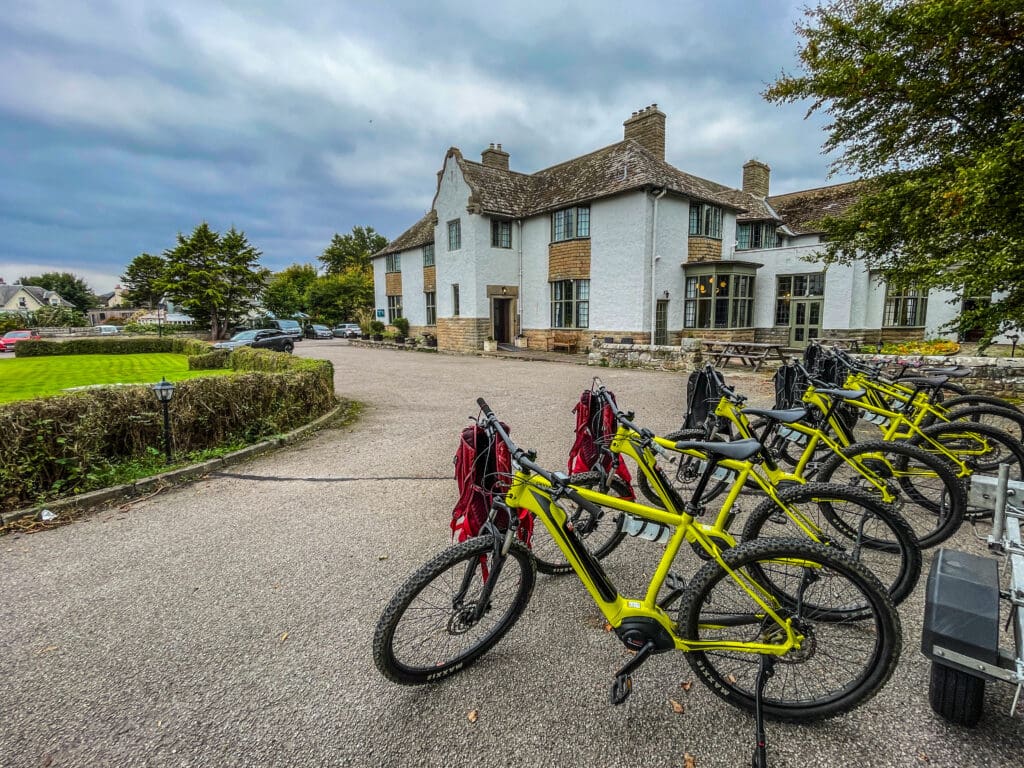
    At 42 Cycling, the bike itself is simply the vehicle that gets you there. Our role is to make everything else as easy as possible. Guests merely have to turn up and allow us to take care of the rest: bikes fitted to the correct size, helmets, photochromatic glasses as Scotland deserves to be seen, gloves, waterproofs and cycle specific day packs are provided. Whether it’s an e-bike, mountain bike, road bike or gravel bike, everything is set up so people can relax into the experience and focus on enjoying the journey. Making memories is central to that experience, and we provide bespoke itineraries, partnering up with fantastic local visitor attractions, as well as taking loads of photos provided as a link to help guests remember their visit for years to come.

    Cycling Routes That Reveal the Real Highlands

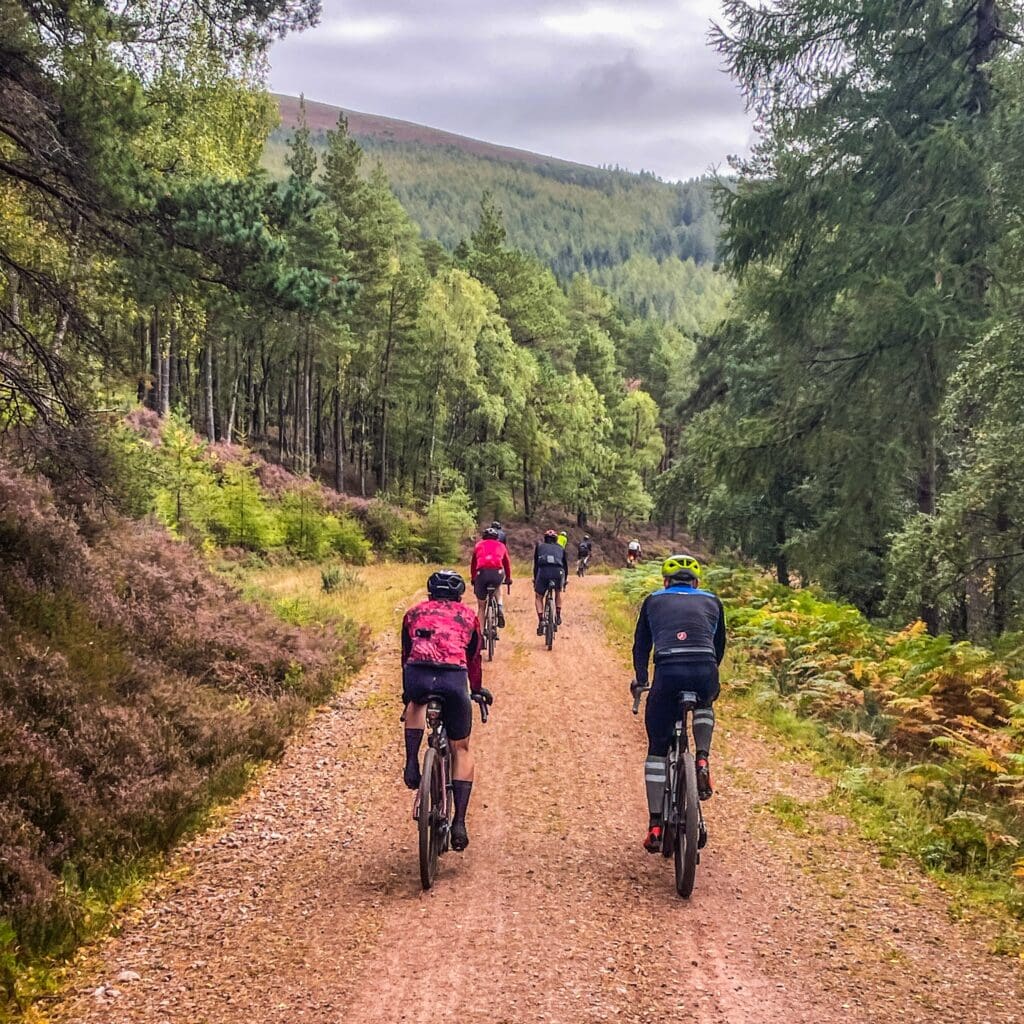
    We offer both circular routes and single routes, but we often recommend a hub-and-spoke approach as the best way to experience the North Highlands. By basing yourself in one location and heading out in different directions each day, you can really immerse yourself in the area without constantly moving accommodation. This approach allows guests to explore a variety of landscapes, uncover hidden gems, and return each evening to comfort and familiarity – creating a deeper connection with the place.

    While we have a range of bookable guided tours available, these are really just a starting point. Many guests come to us with their own wish list. They might be looking for rugged mountain scenery, gentler cycling routes, distilleries, wildlife encounters or cultural landmarks. From there, we tailor the experience to suit their interests and ability. What’s listed online represents only a fraction of what’s possible in the North Highlands.

    Collaboration with other local businesses is central to what we do. From accommodation providers and distilleries to cafés and activity operators, working together allows us to create richer, more connected experiences for visitors. It also helps ensure tourism benefits are shared across the region, supporting local communities and businesses while giving guests a more authentic experience of the area.

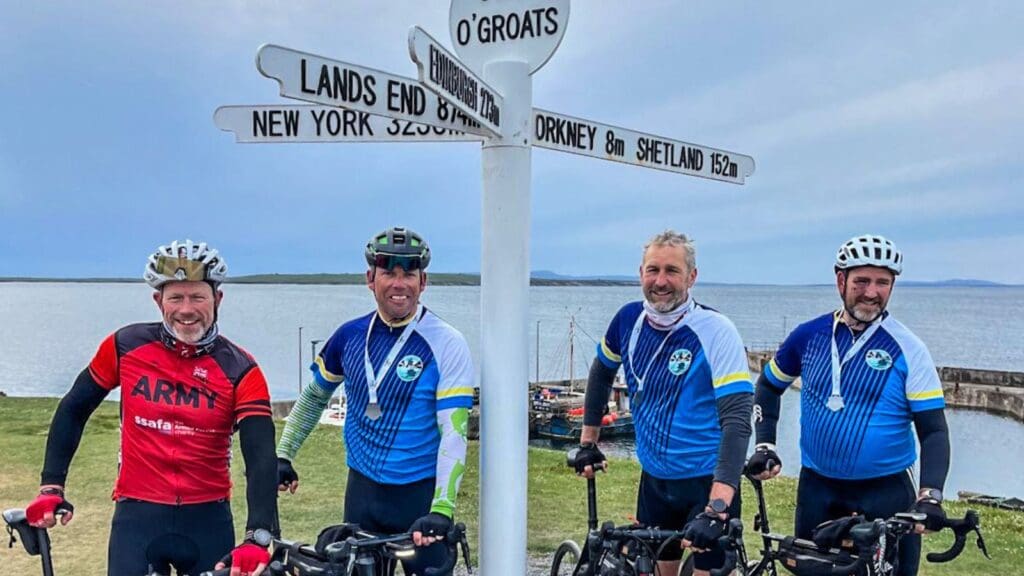
    Cycling tour of the North Coast 500 with 42 Cycling at the Royal Marine in Brora.

    The Story Behind 42 Cycling: A way of life

    42 Cycling grew from my own love of cycling and a desire to share just how special this part of Scotland is. After many years in the military, the business marked the start of a new chapter – one focused on adventure, connection and helping others discover the Highlands in a meaningful way. I’m often asked why the business is called 42 Cycling. Fans of A Hitchhiker’s Guide to the Galaxy may remember that the supercomputer Deep Thought spends 7.5 million years trying to calculate the meaning of life, then comes up with the answer 42.

    It’s also a nod towards my own personal background in the military. My family has some 115 years’ continuous service in The Black Watch, which is known as the 42nd afoot, and 42 is also the age when soldiers must leave the Army – when the second phase of my life truly began.

    For me, these adventures on the road and wide-open Highland spaces are what life is all about. Discovering new places and meeting new people. It’s a pleasure to be able to share that with my guests.

    Kev Stacey, owner of 42 Cycling offering Cycling tours of the North Coast 500 in and around the North Highlands

    Top Tips for Cycling around the North Highlands

    What kind of cycling gear do I need for unpredictable Scottish weather?+

    What are the best cycling routes and trails in the North Highlands?+

    Where can I book cyclist friendly accommodation in Caithness and Sutherland?+

    What unique wildlife and landscapes can cyclists encounter in the North Highlands?+


    Plan your North Highland Adventure!

    Planning a trip to Caithness and Sutherland? Your adventure starts here! Whether you’re booking now or just dreaming, we’ve got all the inspiration you need for your trip to the far north.

    PLAN YOUR VISIT

    More 

  • Bruce’s Spider

    Bruce’s Spider: A Highland Tale of Perseverance and Triumph

    In the heart of Scotland, amidst the misty glens and ancient hills, unfolds a legendary tale. The saga of Bruce and the Spider. ‘Tis a story ingrained in our Highland lore, and a testament to the indomitable spirit of perseverance.

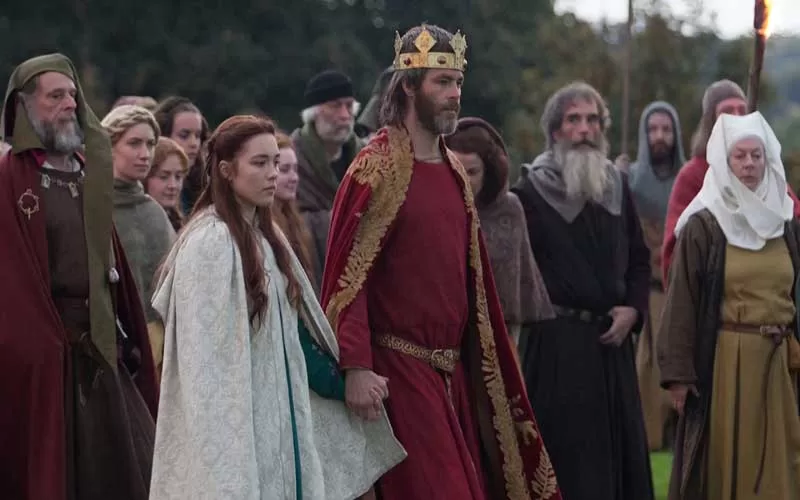
    Back in 1306, our noble Robert the Bruce, driven by ambition, seized the Scottish throne after a fateful encounter with John Comyn. The Battle of Methven brought him to his knees, facing defeat at the hands of the English. Through the Perthshire hills, Bruce and his dwindling band of survivors sought refuge, only to be confronted by Clan MacDougall, staunch supporters of the fallen Comyns. The ensuing Battle of Dalrigh became a bloody chapter, where Bruce fought tooth and nail for his freedom.

    Despite surviving, the King found himself in exile, his brothers executed, and his sister captured by the English. Forced into the shadows, he wandered the Highlands, evading capture and plotting his return.

    To the legend… Robert-the-Bruce-statue

    Legend weaves a tale of Bruce’s respite in a cave, where he drew inspiration from a struggling spider. Time and again, Robert watched the spider’s efforts to spin a web being thwarted, yet it persisted. Bruce, observing this tenacity, embraced the mantra: ‘If at first, you don’t succeed, try, try, try again.‘ With newfound determination, he emerged from the shadows to vanquish the English at the Battle of Bannockburn in 1314, against overwhelming odds.

    The tale echoes through various caves, each claiming to be the sanctuary where Bruce found solace. King’s Cave at Drumadoon, Uamh-an-Righ in Craigruie, or perhaps, Bruce’s Cave in Kirkpatrick-Fleming, Dumfriesshire.

    Whether myth or a true spark of inspiration, the lesson resonates – in the face of adversity, channel the spirit of Bruce’s spider and persevere. Discover the indomitable strength that can lead to triumph, a Highland legacy etched in the annals of time.

    Explore the ancient Highlands with ‘Go Highlands‘ through the inspiring legend of Bruce and the Spider – a timeless saga of perseverance. In 1306, Robert the Bruce’s ascent to the Scottish throne faced setbacks, leading to exile and hardships. Yet, the tale takes a turn of resilience, with Bruce drawing inspiration from a tenacious spider in a cave.

    This legendary encounter fuelled Bruce’s determination. It epitomizes the mantra: ‘If at first, you don’t succeed, try, try, try again’. This is a testament to unwavering perseverance.

    Various caves, from King’s Cave at Drumadoon to Uamh-an-Righ in Craigruie and Bruce’s Cave in Kirkpatrick-Fleming, claim to be the backdrop of this inspirational tale.

    Whether fact or folklore, the lesson endures – face challenges with the resilience of Bruce’s spider, and triumph against all odds. Dive into this Highland legacy, where perseverance paves the path to victory.

  • Scottish Clan Names

    Title: “Unraveling the Tapestry: A Historical Journey through Scottish Highland Clan Names”

    Introduction: Embark on a captivating journey through the rich tapestry of Scottish history as we delve into the origins and significance of Highland Clan names. The Highlands of Scotland have long been steeped in tradition, with each clan name carrying a unique story that adds to the region’s cultural vibrancy.

    Roots.

    The roots of Scottish Highland Clan names can be traced back to the medieval period, where they served as markers of familial ties, territorial boundaries, and a sense of identity. The clans were often associated with specific regions, and their names reflected the landscapes they inhabited or the notable features of their territories.

    For example, the Clan MacLeod, originating from the Isle of Skye, derived its name from the Old Norse “Ljótr,” meaning ugly or rough, a nod to the rugged beauty of their island home. Similarly, the Clan MacGregor, known for their resilience in the face of adversity, takes its name from the Gaelic “Griogair,” meaning vigilant.

    Throughout history, these clans played crucial roles in shaping the destiny of Scotland, from defending their lands against external threats to participating in epic battles such as the Battle of Culloden. The legacy of these clans endures, with many modern-day Scots proudly bearing their ancestral names.

    As you navigate the enchanting landscapes of the Scottish Highlands, let the resonance of Clan names guide you through a historical odyssey. From the heather-clad hills to the mist-shrouded lochs, the tales of these clans echo through time, leaving an indelible mark on Scotland’s cultural heritage. Immerse yourself in the captivating world of Scottish Highland Clan names and discover the profound stories that continue to shape the Highlands today. Go Highlands – where history, culture, and friendly Guides converge.

    Is YOUR name on the list of top 30 Mac’s

    1. Macdonald
    2. MacKenzie
    3. MacLeod
    4. MacIntyre
    5. MacGregor
    6. MacLean
    7. MacNeil
    8. MacPherson
    9. MacFarlane
    10. MacCallum
    1. MacMillan
    2. MacInnes
    3. MacRae
    4. MacLaren
    5. MacIntosh
    6. MacColl
    7. MacKay
    8. MacAulay
    9. MacQuarrie
    10. MacLachlan
    1. MacLeod
    2. MacKinnon
    3. MacNab
    4. MacCormick
    5. MacGillivray
    6. MacNicol
    7. MacDuff
    8. MacFadyen
    9. MacRitchie
    10. MacQueen
  • Scottish Bagpipes

    The Scottish Bagpipes: part of Scottish culture and heritage, echoing through the hills and valleys of this majestic land. These unique musical instruments have a rich history, dating back centuries. They have played a pivotal role in both war and peace.

    Origins and Evolution:

    The origins of the Scottish Bagpipes can be traced back to ancient times. There is evidence suggesting that they may have originated in the Middle East. However, it was in Scotland that they found their true identity. The Great Highland Bagpipes, as we know them today, evolved over the centuries, becoming an integral part of Scottish folklore. The instrument consists of a bag, a chanter, and drones, creating a distinctive and powerful sound that resonates with the spirit of the Highlands.

    Fun Facts:

    The bagpipes were declared an official war instrument by the British Army during World War I.
    There are different types of bagpipes in Scotland. They each have unique characteristics, such as the Great Highland Bagpipes, Border Pipes, and Small Pipes.
    The Great Highland Bagpipes have nine notes, creating a hauntingly beautiful melody that can stir emotions.

    Warfare and Peace:

    During times of warfare, the bagpipes served as more than just musical instruments. They were used to boost morale, intimidate enemies, and communicate commands across the battlefield. The haunting sound of the bagpipes accompanied Scottish regiments into battle, earning them the nickname “The Fighting Pipers.”

    In times of peace, the bagpipes play a central role in cultural celebrations, festivals, and ceremonies. Weddings, funerals, and clan gatherings are often graced with the soul-stirring melodies of the bagpipes, symbolizing the enduring spirit of Scotland. See some great videos on our Scottish Music page which includes ‘Piping Goddesses’.

    Conclusion:
    In conclusion, the Scottish Bagpipes stand as a symbol of Scotland’s rich cultural tapestry. Their evolution, from ancient origins to becoming a vital component of Scottish identity. Whether on the battlefield or in moments of celebration, the haunting melody of the bagpipes continues to captivate hearts worldwide, making it an iconic instrument that transcends time. Embrace the enchanting allure of the Scottish Bagpipes, a harmonious journey through the annals of Scottish history.

    Watch this fun Video that Gloriously mixes the Scottish Bagpipe with Punjabi Music. We think it’s truly awesome but let us know in the comments if you enjoyed it too 🙂

  • Origins of the Kilt

    Lets unravel the rich tapestry of Scottish culture. The history of the Scottish kilt stands as a symbol of tradition and heritage. Dating back to the 16th century, the origins of the kilt has evolved from a practical garment worn by Highlanders into a globally recognized emblem of Scottish identity. Originally known as the “féileadh mòr.” This pleated, knee-length garment served as versatile attire. This allowed ease of movement in the rugged Scottish terrain. Over time, it became synonymous with clan pride. There are many Clans with distinctive tartans reflecting familial ties and regional affiliations.

    Old Kilts

    The formalization or origins of the kilt as a national symbol occurred in the 18th century, catalysed by the Dress Act of 1746. The Act aimed to suppress Highland culture following the Jacobite uprisings. Despite the ban on traditional Highland dress, it endured as a symbol of resilience and cultural pride. Its resurgence gained momentum in the 19th century. This was fuelled by romanticized perceptions of Scottish heritage. The patronage of Queen Victoria also helped.

    New Kilts

    As for the modern day version… well, you will always find George and Alastair from ‘Go Highlands’ in their Kilts. One question that usually arises ‘Isn’t it cold wearing a Kilt?’ The simple answer is NO, but then again they are always on the move. If they are not driving in their air conditioned Minibuses they’re wandering across Battlefields and castles or tramping through Heather clad hills.

    In the modern era, the Scottish kilt transcends its historical roots, becoming a globally recognized garment worn with pride during various celebrations. This would include weddings, festivals, and ceremonial events. As artisans continue to craft kilts using time-honoured techniques contemporary designs breathe new life into this iconic piece of clothing. The Scottish kilt remains an enduring emblem of cultural identity. Explore this timeless legacy of the Highlanders with us on a Tour with Go Highlands as we delve into its intricate history and enduring significance.

  • Who were the Picts?

    In the rich tapestry of Scottish history, few narratives captivate as profoundly as the evolution of the ancient Picts into the formidable Scottish Highlanders. Referred to by Romans as ‘Picti’ or ‘the Painted Ones’. The Picts constituted a confederation of tribes reigning over what is now modern Scotland, north of the Forth and Clyde. Their mysterious presence is characterized by distinctive practices like body painting and intricate tattooing. This has long intrigued scholars and captured popular imagination.

    Pictish-Stone-art

    Beyond being a mere footnote in Celtic history, the Picts played a pivotal role in the cultural and political landscape of early Scotland. Identifying themselves as ‘Gael,’ indicative of their Gaelic-speaking heritage. The Picts forged a linguistic link connecting them directly to the Scottish Highlanders, their descendants.

    The Intersection of Pictish and Gaelic Cultures The Gaelic language, integral to Pictish identity, served not only as a mode of communication but as a vessel carrying the essence of their culture, laws, and traditions. This linguistic continuity becomes a strong thread weaving the Picts into the intricate fabric of Scottish history.

    Pictish Gaelic was not an isolated dialect but part of a broader Gaelic linguistic tradition. References in historical texts, such as the Welsh Triads calling the Picts ‘Gwyddyl Ffichti,’ underscore their integration into the Gaelic world. The shared language base between the Picts and the Dalriadic Scots laid the groundwork for a future united Scottish kingdom.

    The Union of Picts and Scots

    Around 843 AD, under King Kenneth MacAlpin’s leadership, a pivotal transformation occurred. Often misinterpreted as conquest. This marked the fusion of the Picts with the Dalriadic Scots, yet life in the northern and mountainous regions underwent minimal change. Societal structures, language, and cultural practices persisted, overseen by influential figures like the Maormors – chieftains who safeguarded traditions, contributing to the evolution of Pictish culture into Highlander society.

    Video of 15 Fascinating Facts about the Picts…

    From Picts to Highlanders:

    A Cultural Evolution The transition from Picts to Highlanders is more than a mere change of name. It signifies the enduring nature of cultural and linguistic heritage. Geographical continuity plays a compelling role, as the same land once home to the Picts. They cradled the lives and stories of the Highlanders. This unbroken connection serves as a poignant reminder of the deep roots Highlanders have in Scottish soil.

    Pictish influence extends to Scotland’s topography. This is evident in place names and natural features. These form a linguistic map tracing back to the Pictish era. Inhabiting vast regions of Scotland, the Picts left an indelible mark on the landscape through the Gaelic language. This has continued to be embraced by the Highlanders.

    In summary, the journey from dominant force in early medieval Scotland to assimilation into the Scottish Highlanders is a remarkable saga. Rooted in the persistence of culture, language, and identity. The Picts emerge from the historical mystery as a people whose legacy is intricately tied to the heart and soul of Scotland. A legacy living on in the spirit of the Highlanders. This metamorphosis is not merely a tale of survival but a vivid narrative of cultural endurance and the unyielding power of heritage.

  • Inventions from Scotland

    Explore this list of Inventions from Scotland as we unveil here the genius of Scottish inventors who have shaped the course of history. From the groundbreaking Alexander Graham Bell, creator of the telephone, to John Logie Baird, the visionary behind television, Scotland’s innovators have left an indelible mark on the world. James Watt’s revolutionary steam engine and Sir Robert Watson-Watt’s pioneering radar technology are testaments to Scotland’s engineering brilliance. Delve into the medical breakthroughs of Sir Alexander Fleming and the tireless contributions of Sir Thomas Lipton, who transformed our daily lives with his tea innovation.

    Simply click on the Inventors name and join us on a virtual journey through the ingenuity of these Scottish trailblazers via Wikipedia. Go Highland Tours invites you to discover the stories behind the inventions that have shaped modern life, blending the rich tapestry of Scottish history with the breath-taking landscapes that inspire creativity. Uncover the legacy of these inventors and experience Scotland’s boundless innovation with us.

    Please note that this list of Inventions from Scotland is not ranked, and there are many more Scottish inventors who have made significant contributions. Additionally, the list is not exhaustive, and there are numerous other inventors who have played crucial roles in various fields.

    The List:

    1. Alexander Graham Bell (1847–1922):
      • Invention: Telephone
    2. John Logie Baird (1888–1946):
      • Invention: Television
    3. James Watt (1736–1819):
      • Invention: Improved Steam Engine
    4. Sir Robert Watson-Watt (1892–1973):
      • Contribution: Radar Technology
    5. Sir Alexander Fleming (1881–1955):
      • Invention: Penicillin
    6. Sir Thomas Lipton (1848–1931):
      • Innovation: Lipton Tea
    7. John Boyd Dunlop (1840–1921):
      • Invention: Pneumatic Tire
    8. Sir David Brewster (1781–1868):
      • Invention: Kaleidoscope
    9. Sir William Ramsay (1852–1916):
      • Discovery: Noble Gases
    10. Andrew Meikle (1719–1811):
      • Invention: Threshing Machine
    11. Sir James Young Simpson (1811–1870):
      • Discovery: Chloroform as an Anesthetic
    12. Sir James Clerk Maxwell (1831–1879):
      • Contributions: Maxwell’s Equations in Electromagnetism
    13. Sir Patrick Geddes (1854–1932):
      • Urban Planning Innovations
    14. Sir Thomas Smith Clouston (1840–1915):
      • Contributions: Mental Health Research
    15. Robert Stevenson (1772–1850):
      • Innovations: Lighthouse Designs
    16. Sir Dugald Clerk (1854–1932):
      • Invention: Two-Stroke Engine
    17. Hugh MacDiarmid (1892–1978):
      • Development: Synthetic Rubber
    18. Sir Ronald Ross (1857–1932):
      • Discovery: Malaria Parasite Life Cycle
    19. Sir George Cayley (1773–1857):
      • Innovations: Aerial Navigation, Gliders
    20. Alexander Crum Brown (1838–1922):
      • Contributions: Chemical Structural Formulas
    21. Sir William Arrol (1839–1913):
      • Constructions: Forth Bridge
    22. John Loudon McAdam (1756–1836):
      • Invention: Macadamized Road Construction
    23. Alexander Cumming (1733–1814):
      • Invention: Flushing Toilet
    24. Sir John Anderson (1882–1958):
      • Invention: Anderson Shelter (WWII Bomb Shelter)
    25. Sir David Gill (1843–1914):
      • Contributions: Astronomy, Measurement of Solar Parallax
    26. Sir John Shepherd-Barron (1925–2010):
      • Invention: Automated Teller Machine (ATM)
    27. Sir Robert McAlpine (1847–1934):
      • Construction: Numerous Railway and Infrastructure Projects
    28. Sir Thomas Telford (1757–1834):
      • Engineering: Civil Engineering, Road and Canal Construction
    29. Sir John Boyd Orr (1880–1971):
      • Contribution: Nobel Peace Prize, Nutrition Research
    30. James Chalmers (1782–1853):
      • Invention: Adhesive Postage Stamp

    Please note that the list could go on, and these inventors and innovators have significantly impacted various fields, contributing to the advancement of science, technology, and society.

    If you would like more info on more Scottish Inventions get in touch with us here!

  • Top 10 reasons…

    Top 10 Compelling Reasons to Choose Go Highlands for Your Invergordon Cruise Port Tour.

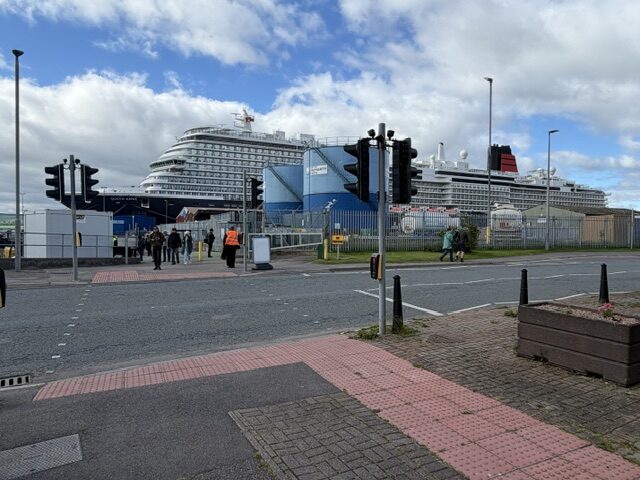
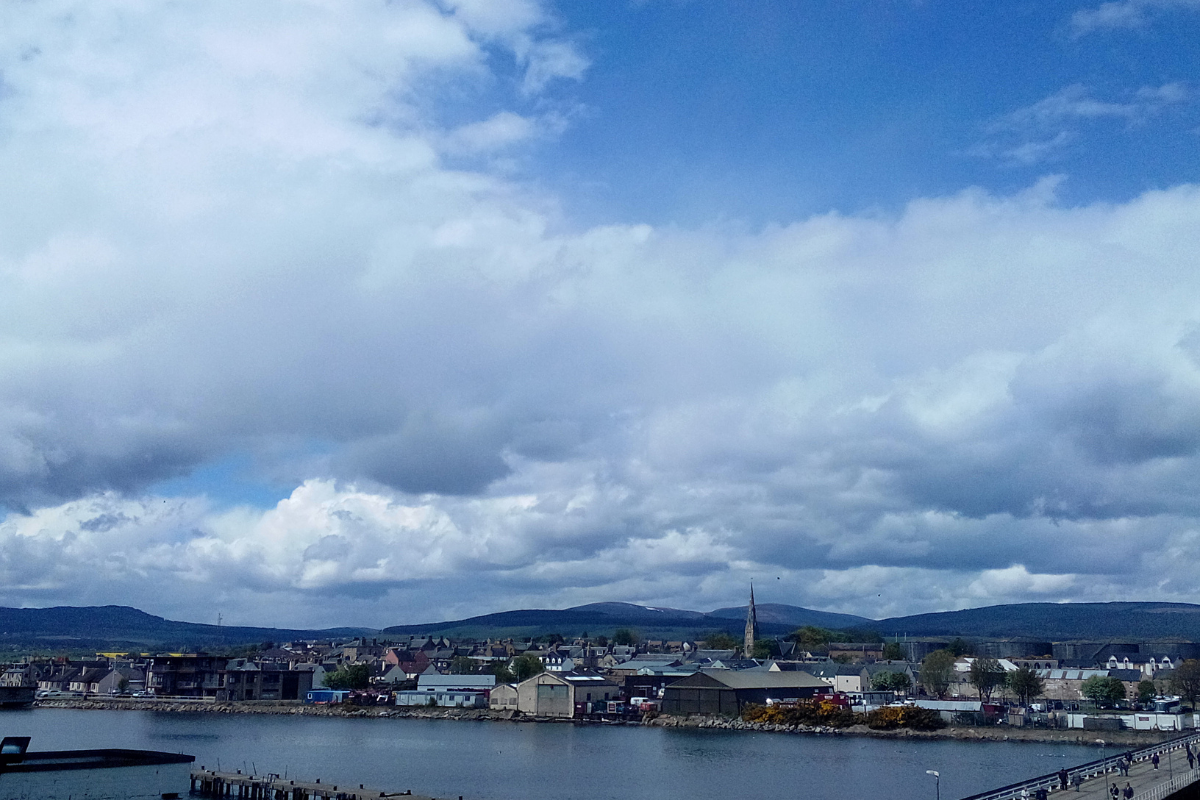
    Invergordon, nestled on the stunning shores of the Cromarty Firth, is a gateway to the Scottish Highlands, a land of breath-taking landscapes, rich history, and vibrant culture. As cruise ship passengers disembark at the Invergordon Cruise Port, they are presented with a myriad of options for exploring the region. However, for an unparalleled experience, there’s no better choice than opting for a tour with Go Highlands. Here are the top 10 compelling reasons why Go Highlands stands out as the premier choice for cruise ship passengers seeking an unforgettable adventure.

    10 Compelling reasons…

    1. Expert Local Guides: Go Highlands prides itself on its team of expert local guides who possess an in-depth knowledge of the region’s history, culture, and natural wonders. These guides are passionate about sharing the beauty and stories of the Highlands, ensuring that every tour is not just a sightseeing excursion but an immersive cultural experience.
    2. Tailored Itineraries: Go Highlands understands that each traveller has unique preferences. Whether you’re interested in historical landmarks, picturesque landscapes, or local cuisine, Go Highlands offers a range of meticulously crafted itineraries that can be customized to suit your interests, ensuring a personalized and enriching experience.
    3. Comfortable Transportation: Traveling in comfort is essential, especially when exploring the Highlands. Go Highlands provides modern and well-maintained vehicles, ensuring a smooth and comfortable journey as you traverse the winding roads and majestic landscapes of the region.
    4. Exclusive Access: Go Highlands has established exclusive partnerships and access points, allowing passengers to explore hidden gems and off-the-beaten-path destinations that may be missed by other tours. This ensures a unique and authentic experience away from the crowds.
    5. Cultural Immersion: Go Highlands goes beyond the typical tourist experience, offering opportunities for cultural immersion. Whether it’s meeting local artisans, participating in traditional activities, or enjoying authentic Highland hospitality, Go Highlands ensures that passengers connect with the soul of the region.
    6. Flexible Timings: Understanding the constraints of cruise ship schedules, Go Highlands provides flexible tour timings that align with cruise arrival and departure times. This flexibility ensures that passengers can make the most of their time ashore without worrying about missing the ship.
    7. Multilingual Guides: Go Highlands caters to a diverse range of passengers by offering tours with multilingual guides. This ensures that language is never a barrier, and all passengers can fully engage with the rich stories and history of the Scottish Highlands.
    8. Small Group Sizes: Unlike larger tour operators, Go Highlands emphasizes intimate and small group sizes. This not only fosters a more personal and engaging experience but also allows for better interaction with the guide, ensuring that every passenger feels valued and heard.
    9. Environmental Responsibility: Go Highlands is committed to sustainable tourism practices. The company prioritizes eco-friendly transportation, minimizes its carbon footprint, and actively contributes to the preservation of the Highlands’ natural beauty. Travel with Go Highlands and be a part of responsible tourism.
    10. Exceptional Customer Reviews: The rave reviews from satisfied customers speak volumes about the quality of Go Highlands tours. The company has consistently received high ratings for its professionalism, knowledgeable guides, and the overall exceptional experience it provides, making it a trusted choice among cruise ship passengers.

    In conclusion

    when cruise ship passengers arrive at the Invergordon Cruise Port, the choice is clear – Go Highlands offers a perfect blend of expertise, customization, comfort, and responsible tourism. Choosing Go Highlands ensures not only a journey through the breath-taking landscapes of the Scottish Highlands but a memorable and enriching experience that will linger in your memories long after you’ve set sail.

  • Clava Cairns

    Exploring Ancient Wonders: An Outlander stones at Clava Cairns Tour with Go Highlands

    Embark on a captivating journey through time with Go Highlands as we delve into the mystical realm of the Outlander stones at Clava Cairns. Nestled amidst the breathtaking Scottish Highlands, this ancient site is a testament to our ancestors’ ingenuity and connection with the cosmos. Our Clava Cairns tour promises an unforgettable adventure, where history, nature, and wonder converge.

    Unveiling Clava Cairns: Clava Cairns, a set of prehistoric burial cairns and standing stones, transports you to a bygone era. Our expert guides at Go Highlands will reveal the captivating history and significance of these Outlander stones at Clava Cairns structures, which date back to around 4000 years ago. These well-preserved cairns offer a window into the rituals and beliefs of our forebearers.

    Journey Through Nature: The journey to Clava Cairns is equally awe-inspiring. Our eco-friendly approach ensures you not only explore history but also embrace the Highland’s natural beauty. Walk through lush landscapes, surrounded by the sights and sounds that have remained unchanged for centuries.

    Personalized Tours: At Go Highlands, we believe in creating memorable experiences. Our small group tours allow for intimate exploration, fostering connections with fellow travellers and providing ample opportunities for questions and discussions. Our guides’ depth of knowledge ensures an enriching experience for history buffs, nature enthusiasts, and curious minds alike.

    Seize the Moment with Go Highlands:

    Whether you’re a solo adventurer or part of a group, Go Highlands makes the Outlander stones at Clava Cairns tour accessible and convenient. Our user-friendly booking process ensures a seamless experience, while our commitment to sustainable tourism ensures a positive impact on the environment and local communities.

    Immerse Yourself: Join us at Go Highlands for an unforgettable Clava Cairns tour. Immerse yourself in ancient history, marvel at the mysterious stone structures, and create memories that will last a lifetime. Book your tour today and uncover the secrets of Clava Cairns with the guidance of passionate experts who share your enthusiasm for exploration.

    [Word Count: 250]

    SEO Keywords: Clava Cairns tour, Go Highlands, Scottish Highlands, Outlander, Clava Cairns, prehistoric burial cairns, standing stones, ancient history, eco-friendly, small group tours,

  • 10 Notable Whisky’s

    “Savor the Spirit: A Whisky Odyssey in the Scottish Highlands and Speyside”

    Embark on a journey through the Scottish Highlands and Speyside. Yesterdays rain becomes tomorrows Whisky. Where the air is infused with the aroma of peat and the hills echo the tales of centuries-old distilleries. Join Go Highland Tours as we unveil the magic of North Highland and Speyside whiskies. Inviting you to explore the heart and soul of Scotland’s liquid gold.

    Discover the North Highland Elixir

    In the North Highlands, rugged landscapes meet the artistry of whisky-making. Sip on the bold and complex flavours of Glenmorangie, Dalmore, and Oban, each distillery crafting elixirs that embody the untamed beauty of the region.

    Speyside’s Liquid Symphony

    Known as the whisky paradise, Speyside beckons with its lush glens and a symphony of distilleries. Indulge in the smooth elegance of Macallan, Glenfiddich, and Balvenie, as their expressions weave tales of Speyside’s rich history and unparalleled craftsmanship.

    Immerse in Highland Whisky Culture

    With every distillery tour, you’ll immerse yourself in the rich whisky culture of the Scottish Highlands. From the traditional craftsmanship to the unique terroir that influences each drop, experience the essence of Scotch whisky like never before.

    As you navigate the enchanting realms of the North Highlands and Speyside, let Go Highland Tours be your guide to the finest Scotch whiskies. Unearth the stories behind the labels, savor the complexities in every dram, and let the spirit of Scotland captivate your senses. Book your whisky odyssey with us and toast to the unparalleled magic of Highland and Speyside whiskies. Slàinte mhath!

    Here’s 10 Whisky’s of note to get you started…

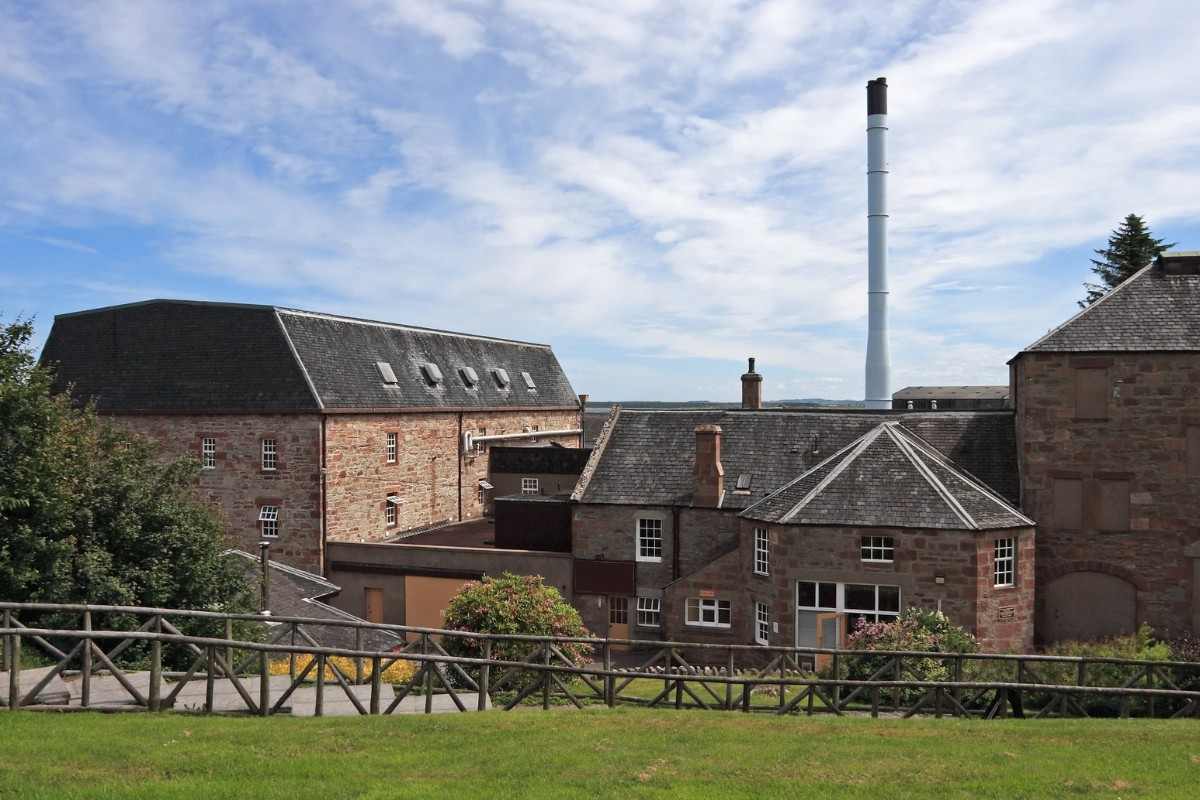
    1. Glenmorangie Distillery: Located in Tain, Ross-shire, Glenmorangie is renowned for its elegant and complex single malt whiskies. It’s known for its “The Original” expression and a variety of other limited releases.
    2. Balblair Distillery: Found near Edderton, Balblair is known for its vintage releases, offering single malt whiskies that showcase the characteristics of specific years. The distillery’s offerings often emphasize the influence of maturation on flavor.
    3. Pulteney Distillery: Situated in Wick, Pulteney is one of the northernmost mainland distilleries in Scotland. Its maritime location contributes to its unique flavor profile, and it’s recognized for its Old Pulteney expressions.
    4. Wolfburn Distillery: Located in Thurso, Wolfburn is a relatively new distillery that revived the name of an old distillery that operated in the 19th century. It has quickly gained recognition for its fresh and distinctive single malts.
    5. Clynelish Distillery: Positioned near Brora, Clynelish produces a range of whiskies characterized by their waxy and sometimes fruity notes. It is known for both its official releases and independent bottlings.
    6. Old Pulteney Distillery: Based in Wick, Old Pulteney is celebrated for its maritime-influenced whiskies. It often features flavors reminiscent of the sea and coastal elements.
    7. Benromach Distillery: Located in Forres, Benromach is known for its traditional production methods and a range of peated and unpeated single malts. It’s often associated with a classic Speyside style.
    8. Tomatin Distillery: Situated near Inverness, Tomatin is one of the largest distilleries in Scotland. It offers a variety of expressions, ranging from lightly peated to heavily sherried.
    9. Ardmore Distillery: Found near Kennethmont, Ardmore produces peated Highland whiskies with a distinct smoky character. It’s one of the few distilleries in the region known for its peated offerings.
    10. Glen Ord Distillery: Situated near Muir of Ord, Glen Ord is one of the few remaining distilleries that still uses traditional “worm tub” condensers. It produces whisky for blends, including the Singleton of Glen Ord.

    Please note that this is not an exhaustive list, and there are more distilleries in the northern Scottish Highlands region. Distillery names, locations, and expressions can change over time due to various factors, so it’s always a good idea to check with ‘reliable sources ‘Go Highlands’ for the latest information on whisky distilleries.