• Best Places to Visit in Scotland

    Scotland is the kind of place where the journey can be just as exciting as the destination. One day, you could be walking through the historic streets of Edinburgh. Next, you might be driving past mountains, lochs and tiny villages in the Highlands. There are old castles, peaceful islands, beautiful beaches and countryside that seems to go on forever.

    That’s what makes choosing the best places to visit in Scotland a little tricky.

    There’s simply so much to see. For first-time visitors, it can be tempting to pack as many places as possible into one trip. But Scotland is better when you give yourself time to enjoy each stop. You don’t need to rush from one attraction to another.

    In this guide, we’ll look at some of the places we think are worth adding to your Scotland itinerary. You’ll find famous cities, Highland landscapes, historic sites and quieter spots that can make your trip feel more memorable.

    1. Edinburgh

    Let’s start with Edinburgh. Scotland’s capital is one of the easiest places to fall in love with. Its old streets, historic buildings, small shops and cosy cafés give the city plenty of character.

    The Old Town is a great place to begin. Walk along the Royal Mile, explore the narrow closes and take your time looking at the old stone buildings.

    You can also visit Edinburgh Castle, which sits high above the city and offers wonderful views. But don’t spend your whole day checking off famous sights.

    Stop for coffee. Browse a bookshop. Sit in a quiet square. Sometimes these simple moments give you a better feel for the city. Edinburgh is also a useful starting point for exploring other parts of Scotland.

    2. The Scottish Highlands

    If dramatic scenery is what you’re looking for, the Scottish Highlands should be near the top of your list. The Highlands are huge, open and wonderfully wild. You’ll find mountains, lochs, winding roads and small villages spread across the landscape.

    There’s no need to rush here. Pick a few places and enjoy the journey between them. Pull over when you find a beautiful viewpoint. Take photographs. Have lunch in a small village.

    The weather can change quickly, too. A sunny morning can turn misty in the afternoon, giving the mountains a completely different look.

    That’s part of the fun. The Highlands are one of the best places to visit in Scotland if you want to experience the country’s famous landscapes.

    3. Isle of Skye

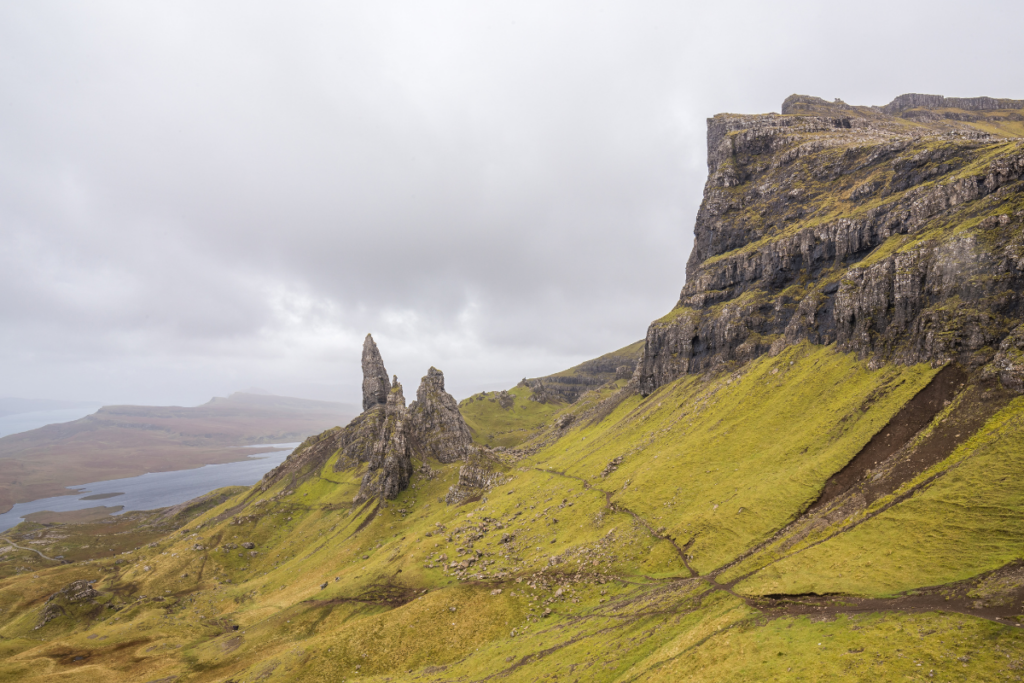
    The Isle of Skye feels like another world. Located off Scotland’s northwest coast, the island is known for rugged mountains, dramatic cliffs, waterfalls and beautiful coastal scenery.

    The Old Man of Storr is one of its most famous sights. The Quiraing is another favourite, especially for travellers who enjoy walking and photography.

    But Skye isn’t only about famous viewpoints. Take your time driving around the island. Stop at small villages. Look out towards the sea. Give yourself space to enjoy the scenery instead of trying to see everything in one day.

    If you’re planning to visit Skye, staying for a couple of nights can make the experience much more relaxed.

    4. Loch Ness

    You can’t talk about Scotland without mentioning Loch Ness. The loch is famous around the world because of the legend of the Loch Ness Monster, or “Nessie”.

    But there’s more to the area than the monster story. The loch itself is surrounded by beautiful scenery, and nearby Urquhart Castle gives you a great place to enjoy the views while learning a little about Scotland’s past.

    You can also take a boat trip on the loch. Even if you don’t spot Nessie, the journey is worth it. Loch Ness is an easy place to add to a wider Highland trip, especially if you’re travelling between Inverness and other parts of the Highlands.

    5. Glencoe

    Glencoe is one of those places where you may find yourself stopping the car just to look around. The valley is surrounded by dramatic mountains and has a long history. It’s especially beautiful when clouds and sunlight move across the landscape.

    The scenery changes with the weather, which means the same viewpoint can look completely different an hour later. You can take scenic drives through the area or explore some of the walking routes.

    Glencoe also works well as part of a wider Highland itinerary. You don’t need to spend several days here to enjoy it, but giving yourself enough time for a few stops makes the journey much better.

    6. Inverness

    Inverness is often called the capital of the Highlands. It’s smaller and quieter than Edinburgh, making it a good base for exploring the surrounding countryside.

    You can walk along the River Ness, visit Inverness Castle and explore the city centre before heading out towards nearby attractions.

    The city is also well placed for trips to Loch Ness and other Highland locations. If you prefer not to change hotels every night, Inverness can be a useful place to stay while exploring the region.

    And after a full day outside, coming back to a comfortable city with good food and a relaxed atmosphere can be a welcome change.

    7. Stirling

    Stirling is a great choice if you enjoy Scottish history. The city played an important role in Scotland’s past, and Stirling Castle is its biggest attraction. Sitting high above the city, the castle offers impressive views of the surrounding countryside.

    You can also visit the nearby National Wallace Monument. Stirling is smaller than Edinburgh, so it’s easy to explore without feeling like you need to spend the whole day getting from one attraction to another.

    It’s also a convenient stop between Edinburgh and the Highlands. For travellers interested in history, Stirling is definitely worth adding to a Scotland itinerary.

    8. Cairngorms National Park

    The Cairngorms National Park is another great choice for travellers who love the outdoors. It’s home to mountains, forests, rivers, lochs and plenty of open countryside. You can spend your time walking, cycling, exploring villages or simply enjoying the scenery.

    The area looks different throughout the year. In warmer months, you’ll see green landscapes and longer days. During autumn, the forests take on beautiful colours, while winter can bring snow-covered mountains.

    You don’t have to be an experienced hiker to enjoy the Cairngorms.A scenic drive and a short walk can be enough to give you a taste of the area.

    9. St Andrews

    St Andrews offers something a little different.The coastal town is famous for golf, but you don’t have to be a golfer to enjoy visiting. You’ll find a beautiful coastline, historic buildings, old university streets and the remains of St Andrews Cathedral.

    Take a walk along the beach, explore the town centre and enjoy a relaxed meal before continuing your journey.St Andrews is also a good option if you want to add some coastal scenery to a trip that already includes cities and Highland landscapes. It gives your itinerary a nice change of pace.

    10. Isle of Mull

    If you want to experience a quieter side of Scotland, consider the Isle of Mull. The island has beautiful beaches, coastal views, green hills and small communities. It’s a good choice for travellers who enjoy nature and don’t mind slowing down.

    Getting there takes a little more planning than visiting Edinburgh or Stirling, but that’s part of the experience.

    Once you arrive, there’s no need to hurry. Drive along the coast, stop at a beach, explore a village or simply sit somewhere with a view. Mull is the kind of place where doing less can actually make the trip better.

    How to Choose the Best Places for Your Scotland Trip

    You don’t need to visit all ten places. In fact, we wouldn’t recommend trying. Scotland may look small on a map, but driving between places can take longer than expected, especially when you’re stopping to enjoy the scenery.

    Instead, think about what you actually want from your trip. If you love history, Edinburgh and Stirling are excellent choices.

    If you want mountains and dramatic scenery, focus on the Highlands, Glencoe and the Cairngorms. If you want coastal landscapes, consider Skye, St Andrews or Mull.

    And if you’re looking for a slower trip, choose fewer destinations and stay longer in each one. That gives you time to enjoy the places rather than simply collecting photographs.

    How GoHighlands Tours Can Help

    At GoHighlands Tours, we believe a good Scotland trip should feel enjoyable rather than rushed. There’s no perfect list of places that works for everyone. Your itinerary should depend on how long you’re staying, what you enjoy and how much time you want to spend on the road.

    Maybe you want dramatic Highland scenery. Maybe castles and history are more your thing. Or perhaps you simply want quiet roads, beautiful landscapes and good food along the way.

    We can help shape a trip around those interests while leaving enough room to enjoy Scotland at a comfortable pace. Because sometimes the best part of a Scotland trip isn’t the place you planned to visit. It’s an unexpected stop along the way.

    FAQs

    Q1. What are the best places to visit in Scotland?

    A. Some of the most popular choices include Edinburgh, the Scottish Highlands, Isle of Skye, Loch Ness, Glencoe, Inverness, Stirling, Cairngorms National Park, St Andrews and the Isle of Mull.

    Q2. What is the most beautiful place in Scotland?

    A. There isn’t one answer for everyone. The Highlands, Isle of Skye and Glencoe are among the most popular choices for dramatic scenery.

    Q3. How many days do I need to visit Scotland?

    A week can give you a good introduction to Scotland, but longer trips allow you to explore at a more relaxed pace.

    Q4. What is the best place to visit in Scotland for first-time visitors?

    A. Edinburgh and the Scottish Highlands are a great combination for first-time visitors. You get a mix of history, culture, mountains, lochs and countryside.

    Q5. Is the Isle of Skye worth visiting?

    A. Yes. The Isle of Skye is worth visiting for its mountains, coastline, waterfalls and dramatic landscapes. If possible, stay for at least a couple of nights rather than visiting only for a few hours.

    Q6. Should I visit Edinburgh or the Highlands?

    A. If you have enough time, visit both. Edinburgh gives you history, architecture and city life, while the Highlands offer mountains, lochs and wide-open landscapes.

    Q7. Can I visit Scotland without a car?

    A. Yes. Edinburgh and other major towns are well connected by public transport. However, having a car or joining a tour can make it easier to reach remote Highland areas and smaller villages.
  • Scotland in November Travel Guide: Weather, Places & Tips

    Scotland in November feels very different from the busy summer season. The days are shorter, the air is colder, and rain can appear without much warning. But that doesn’t mean you should skip Scotland at this time of year.

    In fact, November can be a lovely month for travellers who enjoy peaceful streets, dramatic landscapes, cosy pubs, historic castles, and quiet countryside. You won’t have the long daylight hours of summer, but you’ll also avoid many of the crowds that arrive in June, July, and August.

    The key is to plan your days carefully and pack for changing weather. With the right approach, visiting Scotland in November can be a memorable experience.

    What Is the Weather Like in Scotland in November?

    November is a cool and often wet month across Scotland. Average daytime temperatures are usually around 7°C to 9°C, while nights can become quite cold. In the Highlands and other higher areas, temperatures can drop further, especially after sunset.

    Rain is common, but you shouldn’t expect it to rain all day, every day. Scottish weather can change quickly. You might wake up to sunshine, see clouds roll in a few hours later, and then get a short spell of rain before the evening.

    Wind can also make the weather feel colder than the actual temperature. In coastal areas and open Highland landscapes, strong winds are possible.

    Snow is also possible in November, especially in the Highlands and higher mountain areas. However, snow isn’t guaranteed across the country. Edinburgh, Glasgow, and other lower areas are more likely to experience cold rain than heavy snow.

    The best way to prepare is to expect a little bit of everything.

    How Many Hours of Daylight Are There?

    Short days are one of the biggest differences between November and summer. The sun rises much later and sets much earlier, so you have fewer hours for sightseeing and scenic drives. By late November, darkness arrives quite early.

    This matters if you’re planning a road trip through the Highlands. Try to start your day early and complete long drives before it gets dark. You should also avoid planning too many outdoor activities for one day.

    The shorter days aren’t necessarily a bad thing. They simply mean you need to slow down and plan your itinerary around the available daylight.

    Are There Fewer Crowds in November?

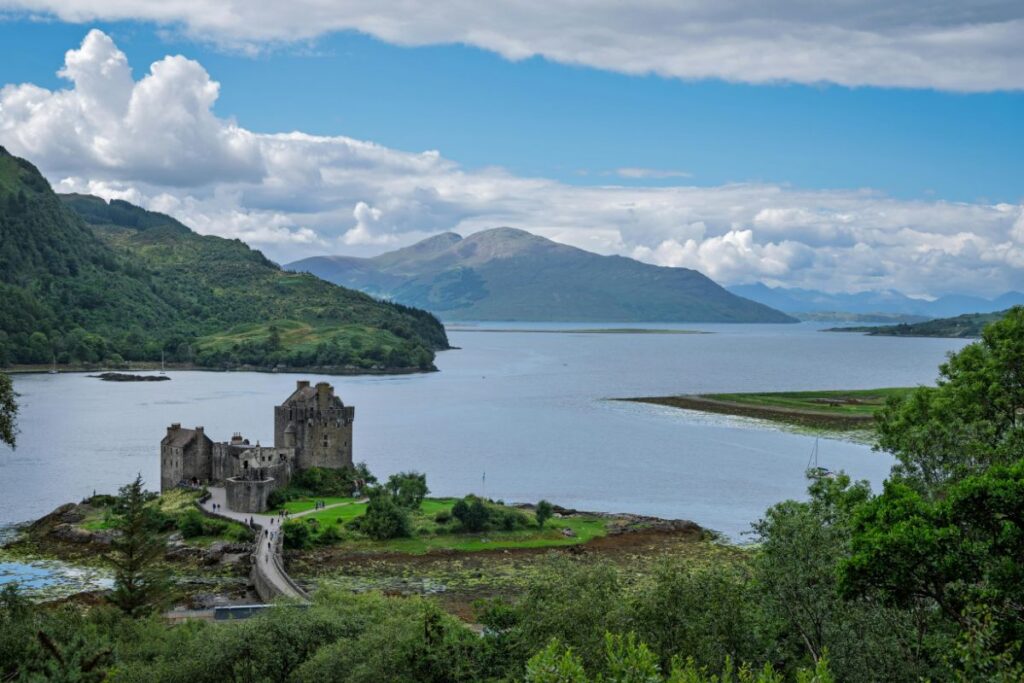
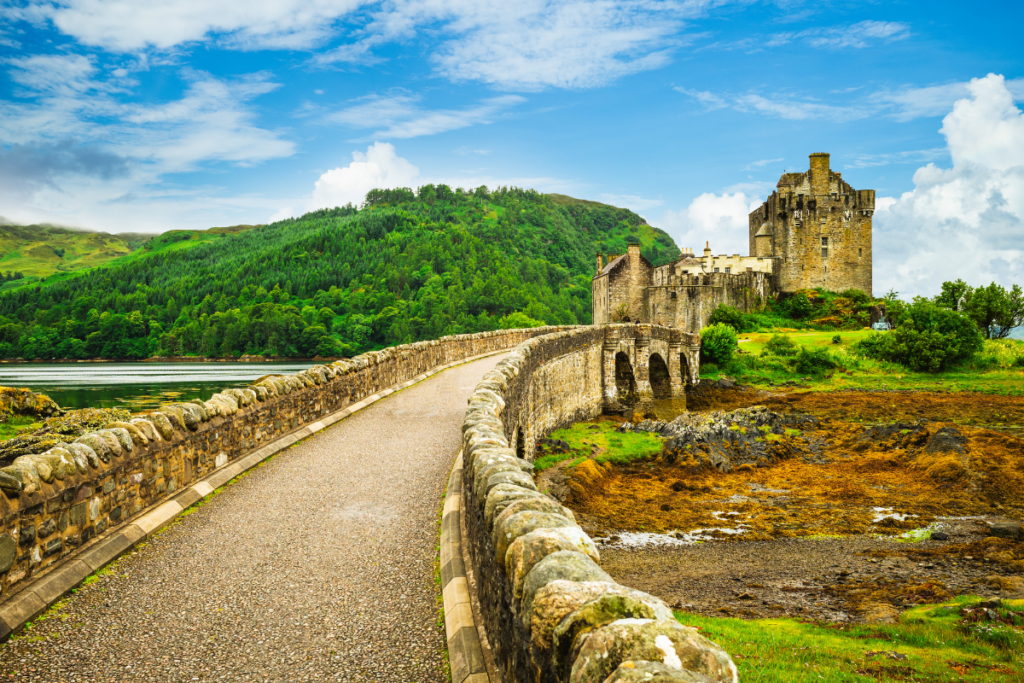
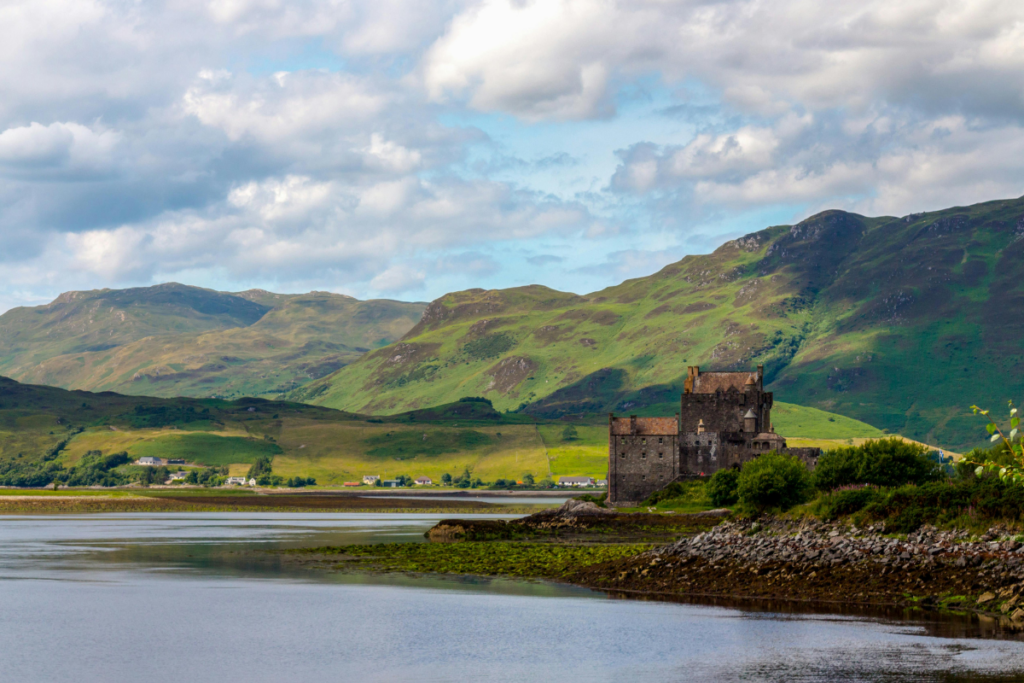
    Eilean Donan Castle on a loch with mountains behind

    Yes. November is generally much quieter than Scotland’s summer months.

    Popular places such as Edinburgh’s Old Town, Highland viewpoints, and major castles can feel more relaxed. You may still see other tourists, but you are less likely to experience the long queues and busy streets common during peak season.

    This is a major advantage if you prefer travelling at your own pace.

    Hotels and holiday accommodation may also offer better prices than during the busiest months, although prices vary depending on location, dates, and events.

    The quieter atmosphere is particularly nice in Scotland’s smaller towns and countryside. You can stop for coffee, explore local shops, take photographs, and enjoy the scenery without constantly feeling rushed.

    One thing to remember is that some attractions and tours have shorter opening hours in November. Some seasonal businesses may also close for part of the winter. Always check opening times before making a long journey.

    Best Things to Do in Scotland in November

    1. Explore Edinburgh

    Edinburgh is one of the easiest places to enjoy in November because there is plenty to do both indoors and outdoors.

    Start with Edinburgh Castle and walk through the historic Old Town. Take your time along the Royal Mile and explore the narrow streets and old buildings around it.

    If the weather turns wet, head indoors. Edinburgh has museums, galleries, historic attractions, cafés, restaurants, and traditional pubs where you can escape the cold.

    The city also looks beautiful on darker autumn days. The old stone buildings, narrow streets, and warm lights from cafés and shops create a cosy atmosphere.

    2. Explore the Scottish Highlands

    The Highlands are one of Scotland’s biggest attractions, and November gives the landscape a completely different character.

    You may see mist sitting over a loch, dark clouds around the mountains, autumn colours in the forests, and waterfalls running strongly after rainfall.

    Popular places to include are Glencoe, Loch Ness, Fort William, and the Cairngorms.

    If you’re planning a road trip, don’t try to see everything in one day. The roads can be slower than expected, and short daylight hours give you less time for sightseeing.

    Choose a few places and enjoy them properly rather than spending most of your trip behind the wheel.

    3. Visit Scotland’s Castles

    November is a good time to explore Scotland’s historic castles. Edinburgh Castle is an obvious choice, but you can also consider Stirling Castle and other historic sites depending on your route.

    Castles are especially useful on rainy days because they give you something interesting to explore when outdoor plans don’t work. Before travelling, check the official website of each attraction for opening hours and ticket information. Some attractions change their schedules outside the summer season.

    4. Spend Time in Museums and Galleries

    Scotland isn’t only about mountains and lochs. Cities such as Edinburgh and Glasgow have excellent museums and galleries, making them useful stops when the weather isn’t suitable for outdoor sightseeing.

    You can spend a few hours learning about Scottish history, art, science, and culture before heading out for dinner. Adding indoor attractions to your itinerary also gives you a break from the cold.

    5. Visit a Whisky Distillery

    November weather is perfect for a whisky experience. Scotland is famous for its whisky, and many distilleries offer tours where you can learn about the production process and the history behind the drink.

    You can find distilleries in different parts of Scotland, so consider adding one to your route rather than travelling a long distance just for a visit.

    If you’re driving, remember that the driver shouldn’t drink. A guided tour or public transport can be a better option if tasting is part of your experience.

    6. Experience St Andrew’s Day

    If you’re in Scotland towards the end of November, you may be able to experience St Andrew’s Day on 30 November. St Andrew’s Day celebrates Scotland’s national patron saint and is marked by cultural events, music, dancing, traditional food, and ceilidh gatherings.

    Events vary from year to year and from one place to another, so check local listings before your trip. It’s a great opportunity to experience Scottish culture beyond the usual tourist attractions.

    7. Enjoy a Cosy Countryside Stay

    Not every day needs to be packed with sightseeing. November is a great time to slow down and stay in a countryside hotel, lodge, guesthouse, or cottage.

    Spend the day exploring nearby villages or walking when the weather allows. Then return somewhere warm for dinner and a quiet evening. This can be one of the most enjoyable ways to experience Scotland during the colder months.

    What Should You Pack for Scotland in November?

    Packing properly can make a huge difference to your trip. Instead of packing one extremely heavy coat, take several layers. This allows you to adjust your clothing when temperatures change.

    Your November packing list should include:

    • A warm waterproof jacket
    • Fleece or warm jumpers
    • Long-sleeve shirts
    • Waterproof walking shoes or boots
    • Warm socks
    • Gloves
    • A hat or beanie
    • Comfortable trousers
    • A small backpack
    • Portable power bank
    • Reusable water bottle
    • Compact umbrella

    Waterproof footwear is particularly important if you plan to walk through countryside areas. Trails can become wet and muddy after rain. Don’t forget to keep a waterproof layer in your day bag, even when the morning looks clear.

    Travel Tips for Scotland in November

    Plan Around Daylight

    Check sunrise and sunset times before planning your day. Try to do scenic drives, hikes, and outdoor sightseeing during daylight hours.

    Keep Your Plans Flexible

    Don’t create an itinerary where every hour is fixed. If strong rain or wind affects your plans, having a backup activity will save you from wasting the day.

    For example, you could visit a museum or castle instead of taking a long outdoor walk.

    Check Opening Hours

    This is particularly important in November. Some attractions operate shorter hours, while some seasonal businesses may close for winter.

    Always check before setting off, especially if the attraction is far from where you’re staying.

    Take Your Time on Highland Roads

    Driving in the Highlands can be a wonderful part of the trip, but rural roads may be narrow and winding.

    Weather can also affect driving conditions. Don’t rush, and allow extra time for your journey. Avoid planning a long drive after sunset if you’re unfamiliar with the area.

    Book Accommodation in Advance

    November is quieter, but that doesn’t mean you can always find a room at the last minute. If you’re travelling to popular areas such as Edinburgh or the Highlands, book your accommodation early, particularly if you have specific requirements or fixed travel dates.

    Don’t Let Rain Ruin Your Trip

    Rain is part of the Scottish experience. Instead of waiting for perfect weather, plan activities that work in different conditions. A rainy morning can turn into a clear afternoon, so don’t automatically cancel your plans because you see clouds outside.

    A good waterproof jacket and a flexible attitude can go a long way.

    Is Scotland Worth Visiting in November?

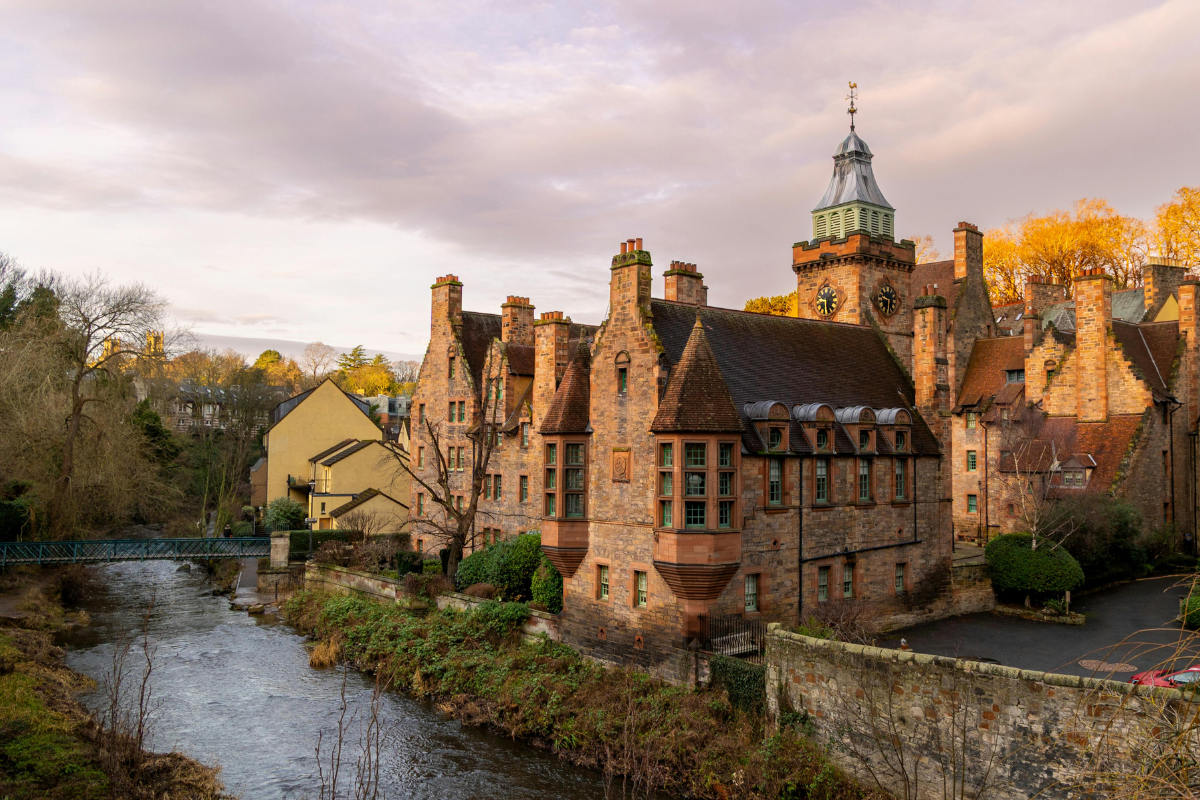
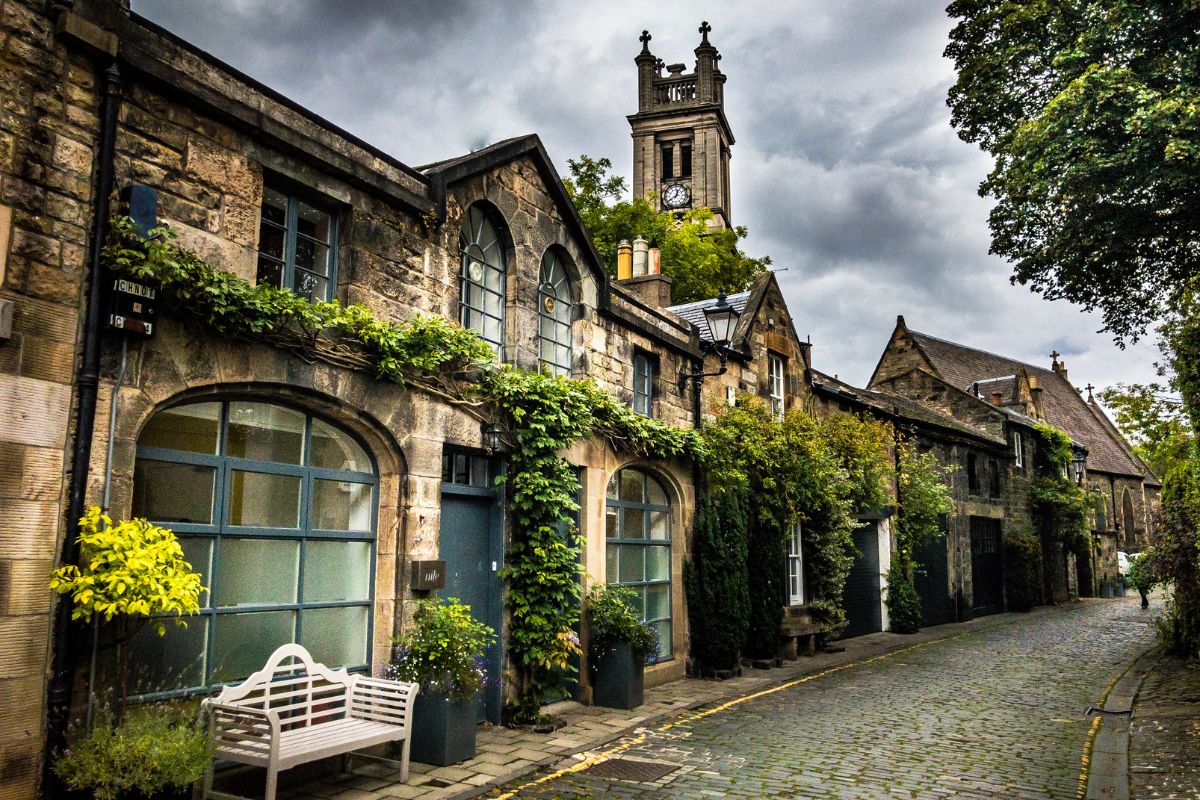
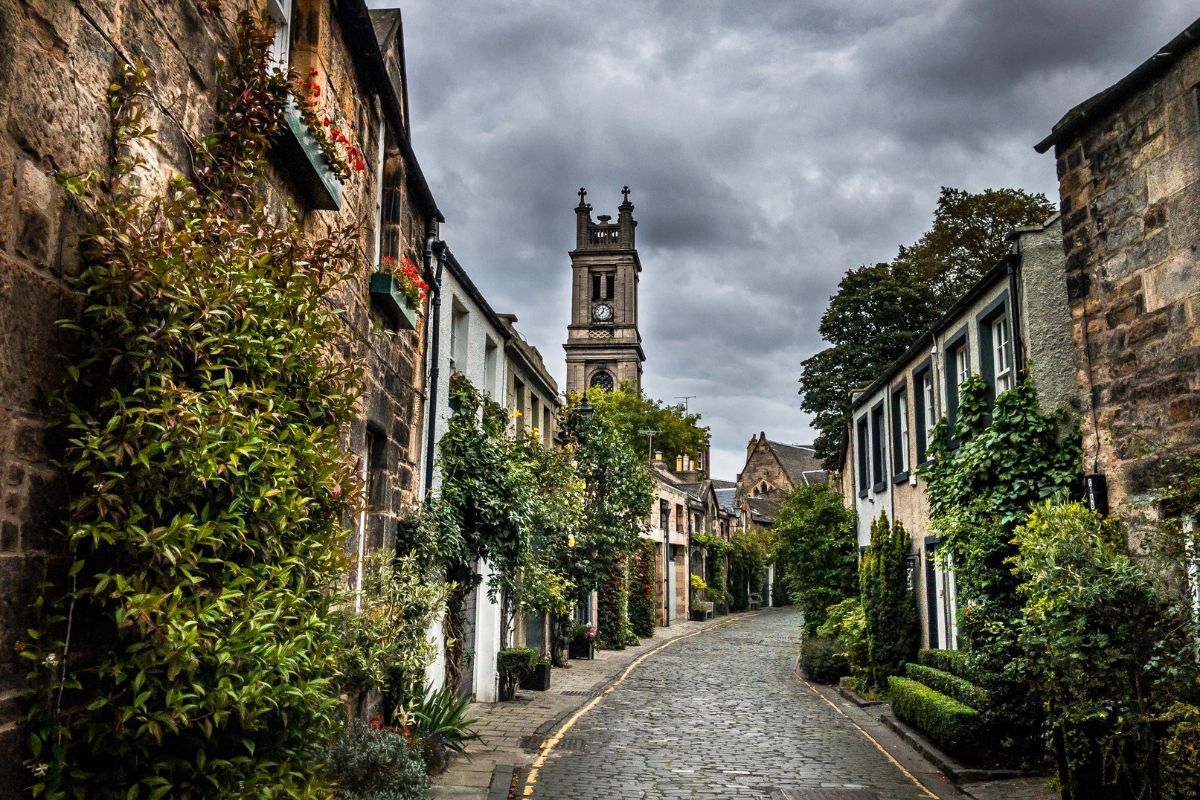
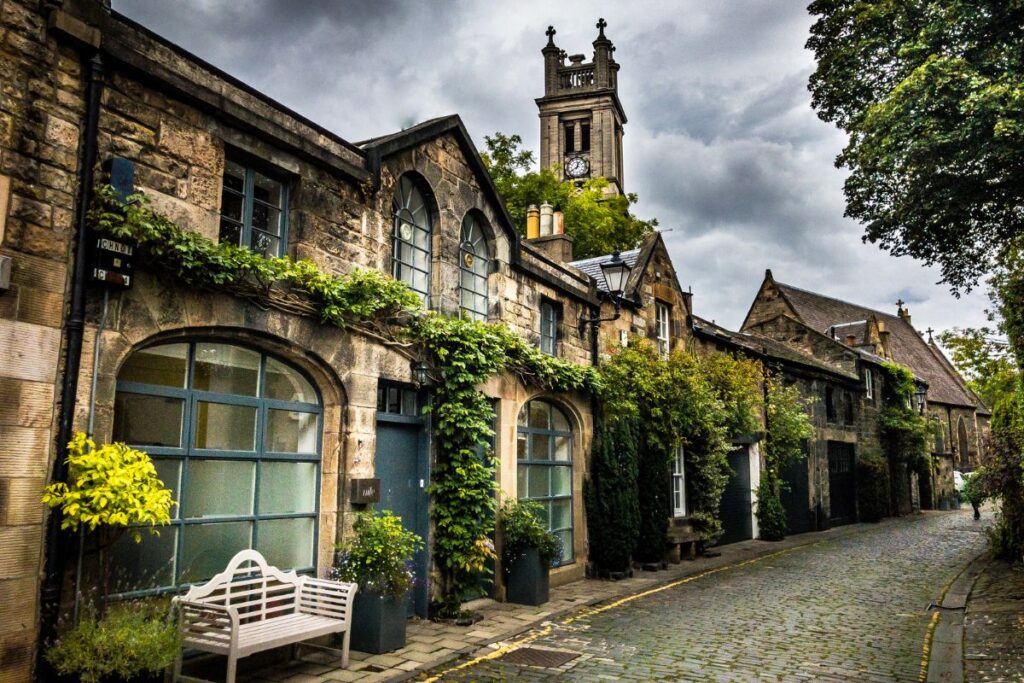
    Cobbled Circus Lane in Edinburgh with ivy-covered buildings

    So, is November a good time to visit Scotland? For the right traveller, absolutely.

    You won’t get the long summer days or consistently mild weather, but November has its own appeal. The country is quieter, the landscapes can look dramatic, and cities such as Edinburgh and Glasgow offer plenty of indoor activities when the weather turns cold.

    It’s also a good month for travellers who enjoy a slower pace. You can explore historic castles, visit museums, discover Scottish food and whisky, take scenic drives, and spend evenings in cosy pubs.

    The most important thing is to prepare for the weather. Pack warm layers, waterproof clothing, and good walking shoes. Plan outdoor activities around daylight, check attraction opening times, and leave some flexibility in your schedule.

    If you’re happy to trade sunny summer days for quieter streets, dramatic skies, and a more peaceful Scottish experience, visiting Scotland in November can be well worth it.

    Frequently Asked Questions About Visiting Scotland in November

    Q1. Is November a good time to visit Scotland?

    A. Yes, November can be a good time to visit Scotland if you don’t mind cold, wet, and changeable weather. The country is quieter than during the summer, and you can enjoy popular cities, castles, museums, and Highland landscapes with fewer crowds.

    Q2. How cold is Scotland in November?

    A. Temperatures in Scotland are usually cool in November, with daytime temperatures often around 7°C to 9°C. Nights can be colder, especially in the Highlands. Wind and rain can also make it feel colder, so warm layers and a waterproof jacket are recommended.

    Q3. Does it snow in Scotland in November?

    A. Snow is possible in Scotland in November, particularly in the Highlands and higher areas. However, snow isn’t guaranteed. Lower areas and major cities such as Edinburgh and Glasgow are more likely to experience cold rain than heavy snow.

    Q4. Does it rain a lot in Scotland in November?

    A. Rain is common in November, but it doesn’t necessarily rain all day. Weather can change quickly, with sunshine, clouds, wind, and showers sometimes appearing on the same day. A waterproof jacket and shoes are useful throughout your trip.

    Q5. Is Scotland crowded in November?

    A. Scotland is generally much less crowded in November than during the peak summer season. Popular attractions can still have visitors, but you’ll usually find a more relaxed atmosphere. This makes November a good choice if you prefer quieter sightseeing.

    Q6. What are the best places to visit in Scotland in November?

    A. Edinburgh, Glasgow, the Scottish Highlands, Glencoe, Loch Ness, Fort William, and the Cairngorms are all worth considering. Your choice will depend on how much time you have and whether you’re interested in cities, history, nature, or scenic road trips.

    Q7. What should I wear in Scotland in November?

    A. Dress in layers so you can adjust to changing temperatures. Bring a warm waterproof jacket, fleece or jumper, long-sleeve clothing, waterproof walking shoes, warm socks, gloves, and a hat. Comfortable waterproof footwear is especially useful for outdoor activities.

    Q8. Is it worth visiting the Scottish Highlands in November?

    A. Yes. The Highlands can look dramatic in November, with misty mountains, dark skies, autumn colours, and flowing waterfalls. However, daylight hours are short, so plan your route carefully and check weather and road conditions before travelling.

    Q9. Can I drive around Scotland in November?

    Yes, you can drive around Scotland in November, and a road trip can be a great way to see the countryside. However, rural roads can be narrow and winding, while rain, wind, fog, and early darkness can make driving more difficult. Leave extra time for journeys and avoid rushing.

    Q10. Are attractions open in Scotland in November?

    A. Many major attractions remain open, especially in cities, but some may have shorter opening hours or seasonal closures. Always check the official website of an attraction before visiting, particularly if you’re planning a long journey.

    Q11. What events take place in Scotland in November?

    A. St Andrew’s Day takes place on 30 November and is one of the main cultural events to look out for. Depending on the year and location, you may find ceilidhs, music, dancing, food events, and other celebrations around this date.

    Q12. How many days do you need in Scotland in November?

    A. A trip of 5 to 7 days gives you enough time to combine Edinburgh with parts of the Highlands without rushing too much. If you have more time, 8 to 10 days allows you to explore additional towns, scenic areas, and islands at a slower pace.

    Q13. Is Scotland expensive to visit in November?

    A. November can sometimes be more affordable than the peak summer months, particularly for accommodation, but prices vary by destination and travel dates. Edinburgh can still be busy around major events, so it’s worth comparing accommodation and transport prices before booking.

    Q14. What are the main advantages of visiting Scotland in November?

    A. The biggest advantages are fewer crowds, a peaceful atmosphere, dramatic autumn and early-winter scenery, and plenty of indoor attractions. November is especially suitable for travellers who enjoy history, food, whisky, museums, cosy pubs, and scenic landscapes rather than warm-weather activities.

  • Scotland in October Travel Guide: Weather, Places & Tips

    The first thing we notice in Scotland in October is the colour. It falls across the hills, catches the edges of lochs, and gives old stone villages a warm autumn glow as the afternoon fades. There’s often a coolness in the air, too. You might leave your hotel in a jacket, wander through a quiet village, and later find yourself sitting beside a loch as the sun appears between the clouds.

    That’s part of what makes October Scotland travel so appealing. Scotland feels calmer after the busy summer months, while the landscape starts showing off its autumn colours. The days are cooler, the countryside can look beautiful in shades of gold and brown, and popular places often feel easier to enjoy at your own pace.

    For us, October isn’t about trying to see every famous sight in one trip. It’s about giving Scotland enough time to unfold.

    You can linger over breakfast. Take the scenic route through the Highlands. Stop for photographs when the autumn light looks beautiful. Spend an afternoon exploring a historic town without watching the clock.

    So, is October a good time to visit Scotland? For many travellers, absolutely.

    What Is Scotland Like in October?

    October sits firmly in autumn, and this can be a beautiful time to experience Scotland.

    The landscape starts changing colour, with golden, orange and copper tones appearing across the countryside. The Highlands can feel wonderfully dramatic, especially when clouds move across the mountains and sunlight breaks through.

    The weather is changeable, as you’d expect from Scotland. One moment can be bright and crisp, while a shower rolls through later. We actually think this adds to the country’s character.

    Scotland isn’t a destination where we recommend planning every moment around perfect sunshine.

    Instead, we suggest embracing the atmosphere. A little rain on the windows of a country inn can make a slow breakfast feel even better. Mist around a loch can create an entirely different mood from a clear afternoon. A cool walk through the Highlands followed by a warm drink feels like a very Scottish kind of day. The key is to dress comfortably and leave room for changing conditions.

    Is the Weather Good in October?

    October weather in Scotland can be beautiful, but it’s best to expect variety.

    You may enjoy crisp mornings, cool afternoons and clear stretches of weather. You may also experience rain and wind, particularly in exposed Highland areas.

    Rather than seeing the weather as a problem, we plan around it. A bright morning is perfect for a scenic walk or a visit to the countryside. If clouds gather later, we might slow the day down with a historic house, a village, a cosy café or a relaxed afternoon indoors.

    This is where a personalised itinerary can be really helpful. You don’t need to spend every day outdoors simply because you’re in Scotland. Some of our favourite travel days are when the weather encourages us to change our plans a little. And when the skies clear again, Scotland is waiting.

    Are There Fewer Crowds in October?

    October is usually quieter than the busy summer months. That doesn’t mean famous places will be empty. Scotland remains popular, and well-known sights can still attract visitors. But the overall atmosphere can feel more relaxed after the main summer season.

    For you, that can mean more space to enjoy your time. Instead of rushing from one attraction to another, you can spend longer in places that genuinely interest you. You might walk through an old town early in the day, stop for lunch, and then take an unhurried drive through the surrounding countryside.

    The biggest attractions don’t always make the best memories. Occasionally it’s the little village you stop at unexpectedly, the view you weren’t expecting, or the conversation you have with a local over a cup of tea.

    October gives you more opportunities to notice those details.

    Why October Works So Well for Slow Travel

    Scotland rewards travellers who don’t try to rush it. The distances between places may look manageable on a map, but the experience is about much more than reaching the next destination. The Highlands, lochs, castles and villages deserve time.

    In October, we like to create days with a natural rhythm. Perhaps you begin with a quiet breakfast overlooking the countryside. Then you head towards a historic castle, taking your time along the way. After lunch, there might be a scenic walk or a visit to a small village. The evening can be deliberately simple.

    Good food. A comfortable place to stay. A view outside the window. That’s enough. A slower itinerary also gives you flexibility. If you fall in love with a particular landscape, you don’t have to immediately leave it behind. That matters in Scotland.

    The Highlands in October

    The Scottish Highlands are one of the biggest reasons to consider October.

    The landscape feels vast and wonderfully open. Mountains rise around winding roads, lochs stretch between hills, and small settlements appear among enormous stretches of countryside.

    We recommend resisting the urge to pack too many Highland stops into a single day. Choose a few places and give them time.

    You might spend the morning around a loch, pause for lunch in a village and then continue towards the mountains. If the weather changes, stop somewhere scenic and simply wait for the light to shift.

    That’s often when the Highlands look their best. For travellers who enjoy photography, October can be especially rewarding. The autumn colours, softer light and changing skies can create a wonderful sense of depth across the landscape. But even without a camera, the scenery stays with you.

    Edinburgh in October: Culture at a Slower Pace

    Edinburgh offers a different way to experience Scotland. The city combines historic streets, elegant architecture, independent shops, galleries and traditional places to eat, while October brings a calmer atmosphere after the busy summer season.

    Rather than trying to see every major attraction in one day, give yourself time to experience the city at an easy pace. Walk through the Old Town, stop in a historic square, browse a bookshop or settle into a quiet café. You’ll find some of Edinburgh’s character in these slower moments rather than at its most famous landmarks.

    Edinburgh also works well as part of a wider Scottish itinerary. After spending time among the city’s architecture and history, you can travel into the Highlands and find lochs, mountains and open landscapes. The contrast makes the journey feel varied without requiring you to rush from one place to another.

    So, Is October a Good Time to Visit Scotland?

    Yes, particularly if you prefer a quieter atmosphere, autumn scenery and a more flexible pace of travel.

    October brings cooler weather, beautiful autumn colours and fewer visitors than the peak summer months. Rain is still possible, but the changing conditions can add variety to days spent outdoors. With fewer crowds, you can also spend more time in the places that interest you rather than moving constantly between attractions.

    For us, that is one of the main advantages of October. You have enough structure to make the trip comfortable but still have some flexibility to adjust your plans based on the weather and your interests.

    That is the approach we take at GoHighlands Tours. Scotland is best experienced at a pace that leaves room for the places and moments that cannot be planned in advance.

    If you are considering October Scotland travel, think about more than the number of attractions you can fit into your itinerary. Consider how you want the journey to feel: cool mornings, mist across the hills, autumn colours on the trees, quiet Highland roads and relaxed dinners after a day outdoors.

    These are the experiences we would build your Scottish journey around.

    FAQs

    Q1. Is October a good month to visit Scotland?

    A. Yes. October is a good time to visit Scotland. You can enjoy cooler days, beautiful autumn colours and fewer crowds than in summer.

    Q2. Does it rain a lot in Scotland in October?

    A. Rain is common, but the weather can change quickly. Pack layers and a waterproof jacket so you are prepared for different conditions.

    Q3. Is Scotland crowded in October?

    A. October is usually quieter than the main summer season. Popular attractions can still be busy, but you will generally find fewer crowds.

    Q4. Is October a good time to visit the Scottish Highlands?

    A. Yes. October can be a great time to explore the Highlands. You can enjoy autumn colours, changing light and open landscapes.

    Q5. What should I wear in Scotland in October?

    A. Pack comfortable layers, a waterproof jacket and good walking shoes. A warm jumper can also be useful as temperatures become cooler.

    Q6. How many days should I spend in Scotland?

    A. It depends on what you want to see and do. We recommend spending more time in fewer places rather than trying to see the whole country in a short trip.