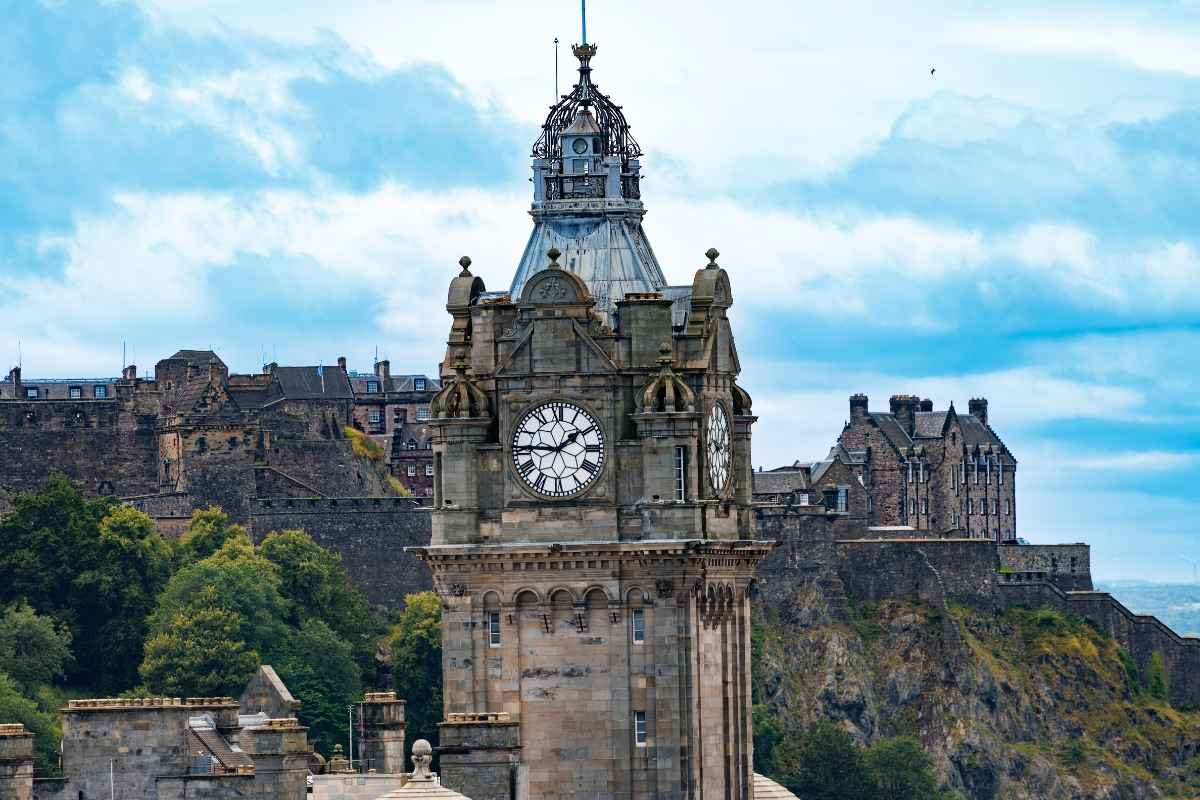
The Hogmanay celebrations are over, Edinburgh is getting quieter, and it’s a good time to visit the Scottish Highlands. January brings fewer tourists, quieter roads and snowy hills. However, days are short, the weather can change quickly, and Highland roads can take longer to drive. This Edinburgh to Highlands itinerary offers two options: a 3-day trip covering Loch Lomond, Glencoe, Fort William, Loch Ness, and Inverness, or a 5-day trip with more time to explore.
You can also visit the Isle of Skye or Cairngorms National Park. Along the way, you’ll enjoy scenic views, explore small towns and stop for photos.
By the end of this blog, you’ll know where to go, how many days to plan, how to travel and what to expect when visiting the Scottish Highlands after Hogmanay.
What to Know Before Your Edinburgh to Highlands Trip
January days in Scotland are short, with late sunrises and early sunsets. Start your day early to enjoy walks, scenic views and photo stops. The weather in the Highlands can change quickly, bringing rain, sunshine or snow in a single day. Roads can also become icy, so pack warm clothes, a waterproof jacket, sturdy shoes, a hat and gloves. Plan your travel before you leave. A rental car gives you more freedom, but you need to drive carefully in winter.
A private tour offers a driver who knows the local roads, while a group tour follows a set plan with other travellers. Allow extra time for each journey because winding Highland roads, bad weather, traffic and stops can make even a short trip take longer than expected.
Edinburgh to Highlands Itinerary at a Glance
A 3-day trip is a good choice if you have limited time. You can travel from Edinburgh to Loch Lomond, Glencoe, Fort William, Loch Ness and Inverness before returning to Edinburgh. On the first day, visit Loch Lomond and Glencoe. On the second day, travel through Fort William and the Great Glen to Loch Ness. On the third day, explore Inverness, then head back to Edinburgh. If you have 5 days, you can slow down and spend more time around Glencoe and Loch Ness.
You can also add the Isle of Skye or Cairngorms National Park to your route. Driving times will depend on winter road conditions and how often you stop. Don’t rush from one place to another. Leave time to enjoy the views and stop when you spot a mountain or landscape you want to explore.
Day 1: Edinburgh to Loch Lomond and Glencoe
Start your trip in Edinburgh in the morning, then head west before heading north towards the Highlands. Your first main stop is Loch Lomond, which sits in Loch Lomond & The Trossachs National Park. Spend some time by the water, enjoy the views or take a short walk if the weather is good. From there, continue to Glencoe, where tall mountains surround a wide valley.
In winter, snow may cover the higher peaks, and low clouds can move through the valley, creating beautiful views. Keep an eye on the time because daylight is limited in January.
Plan a few stops to enjoy the scenery without rushing or staying out too late. Spend the night near Glencoe or Fort William so you don’t have to drive far after dark.
Day 2: Glencoe to Fort William and Loch Ness
Start the second day with more time around Glencoe.
If the weather allows, take a short walk or visit a viewpoint around the valley. You can also spend some time learning about the area’s history before continuing north.
From Glencoe, head towards Fort William.
Fort William sits below Ben Nevis, Scotland’s highest mountain. You don’t need to climb Ben Nevis to appreciate the area. The town and surrounding roads give you plenty of mountain views.
From Fort William, continue through the Great Glen towards Loch Ness.
Loch Ness stretches for around 23 miles and is one of Scotland’s most famous lochs. Of course, the Loch Ness Monster is part of its story, but there’s much more to see here.
Stop around the loch for water views. You can also visit Urquhart Castle, which sits beside Loch Ness and has views across the loch.
Give yourself enough time for the area. Racing through Loch Ness to reach Inverness can take away one of the trip’s main highlights.
Stay near Loch Ness or continue to Inverness for the night.
Day 3: Loch Ness to Inverness and Back to Edinburgh
Use the morning to explore Inverness before beginning your return journey.
Inverness is known as the capital of the Highlands. It’s a compact city, so you can see several sights without spending the whole day there.
You can walk around the city centre, see Inverness Castle from the outside and stroll beside the River Ness.
If you have time, you can also visit a historic site outside the city before heading south.
The return trip to Edinburgh can take several hours, so don’t leave it too late in the day. Winter darkness comes early, and Highland roads can take longer in poor weather.
This 3-day itinerary suits travellers who want to see the main Highland highlights in a short break. It’s also a good choice for first-time visitors who want a taste of the Highlands without spending a full week on the road.
How to Extend the Trip to 5 Days
Day 4: Isle of Skye or the Cairngorms
Five days gives you more space to explore.
One option is the Isle of Skye. The island is famous for dramatic mountains, coastal views, waterfalls and small villages. Places such as the Old Man of Storr and Kilt Rock can be added to a Skye route when road and weather conditions allow.
Skye needs time. Don’t try to squeeze every famous sight into one day. Pick a few places and give yourself enough time to travel between them.
You can stay on the island or in the nearby Highland area, depending on your route.
The second option is Cairngorms National Park.
The Cairngorms sit in the eastern Highlands and have a very different landscape. You can find mountain scenery, forests, villages and historic places across the park.
Aviemore can work as a base for exploring the area. In winter, the region can also have snow-covered landscapes and cold mountain conditions.
For a first Highland trip, choose the area that matches your interests. Skye is a strong choice for dramatic coastal and mountain scenery. The Cairngorms work well for forests, mountains and Highland towns.
Day 5: Explore More of the Highlands and Return to Edinburgh
Keep your final day slow.
Rather than filling the route with too many stops, choose one or two places that fit your route back to Edinburgh.
You could stop at a Highland village, visit a historic site or spend some time beside a loch.
Leave room for photo stops. Highland scenery can make a simple roadside stop part of the trip.
Keep an eye on the time. You need to reach Edinburgh safely, and winter roads can slow you down.
A five-day trip gives you a better chance to enjoy the Highlands without spending every day watching the clock.
Best Places to Visit on an Edinburgh to Highlands Itinerary
Loch Lomond is a great first stop from Edinburgh. Its wide waters, wooded shores, and mountain views offer an easy introduction to the Highlands.
Glencoe is one of the most striking areas on the route. Its steep mountains and deep valley create a landscape that looks different in every type of weather.
Fort William is a useful stop for anyone interested in Ben Nevis and the surrounding Highland scenery.
Loch Ness is a must for many first-time visitors. You can see the loch, visit Urquhart Castle and learn more about the famous monster legend.
Inverness lets you experience a Highland city. It’s also a useful place to stop for food, accommodation and supplies.
The Cairngorms offer mountain and forest scenery on the eastern side of the Highlands. The Isle of Skye offers coastal views, rugged hills, and some of Scotland’s most recognisable landscapes.
If you’re still deciding where to go, our guide to Best Places to Visit in Scotland can help you compare different areas.
How to Travel From Edinburgh to the Scottish Highlands
A private Highland tour is a simple option for travellers who want someone else to drive. You can spend your time taking in the scenery, taking photos, and learning about the places you visit.
A group tour can work well for solo travellers or those who prefer a set schedule. You’ll travel with other visitors and follow a set route.
A rental car gives you more control. You can stop when you want and change your route. Winter driving needs extra care, though. Snow, ice, wind and dark roads can make driving harder.
Public transport can take you between Edinburgh and several Highland towns, but it won’t give you the same freedom to stop at remote viewpoints and smaller places.
Your choice depends on the kind of trip you want. If you want flexibility, a car can work well. If you want to focus on the scenery and leave the driving to someone else, a tour can make the trip easier.
Learn more about getting around Scotland in our transportation guide.
What Is Scotland Like After Hogmanay?
After Hogmanay, Scotland becomes much quieter.
January brings cold weather, short days and a chance of snow. Higher parts of the Highlands can look completely different from summer.
Some attractions may have shorter opening hours. Some smaller businesses and seasonal sites may close for part of the winter.
That’s why it’s important to check opening times before you travel.
The quieter pace can be one of the best parts of a January trip. You may have more space at popular viewpoints and less traffic on some Highland roads.
You do need to plan around the daylight. Don’t save a long drive for late afternoon. Start your main sightseeing early and keep the final part of the day close to your overnight stop.
Scotland Weather in October and November
January isn’t the only time people plan a trip to Scotland. October and November can also work well for travellers who want cooler weather and autumn scenery.
October usually gives you more daylight than January and can bring colourful autumn landscapes. November has shorter days and colder weather, so your planning needs to be closer to a winter trip.
If you’re planning an autumn visit, read our guides to Scotland in October: Weather, Places & Travel Tips and Scotland in November: Weather, Places & Travel Tips for more seasonal advice.
Is January a Good Time to Visit the Scottish Highlands?
Yes, January can be a good time for the right traveller.
If you like quiet roads, winter landscapes and fewer visitors, the Highlands can be a great place to explore after Hogmanay.
The main challenge is the weather. You need to accept that snow, rain, wind or ice may change your plans.
You also need to work with short daylight hours.
A January Highland trip suits travellers who don’t mind cold weather and want to see a quieter side of Scotland. It works especially well when you keep the route realistic and leave some room for changes.
Can You Visit Loch Ness on an Edinburgh to Highlands Trip?
Yes. Loch Ness fits naturally into a 3-day Edinburgh-to-Highlands itinerary.
After visiting Glencoe and Fort William, you can travel through the Great Glen towards Loch Ness.
If your schedule allows, spend a few hours around the loch. You can visit Urquhart Castle, stop for views and learn more about the Loch Ness Monster story.
You can also add a Loch Ness tour to your Highland plans.
The key is not to treat Loch Ness as a quick roadside stop. Give yourself enough time to see the area before continuing to Inverness.
3 Days or 5 Days: Which Highland Itinerary Is Better?
Three days works well if you’re short on time and want to see the main sights.
You’ll cover a lot of ground, so your days will be fairly full. This route suits first-time visitors who want a quick introduction to the Highlands.
Five days gives you more breathing room.
You can spend longer around Glencoe and Loch Ness, visit Skye or the Cairngorms, and make more short stops along the way.
For travellers with time, five days is the easier pace. You won’t need to rush every morning to reach the next destination.
Tips for Planning Your Edinburgh to Scottish Highlands Itinerary
Book your accommodation early, especially if you need a specific town or room type. January can be quieter, but available places may still be limited in smaller Highland areas.
Check winter opening times before visiting castles, museums and other attractions.
Start early each day. Winter daylight doesn’t give you much room for late starts.
Check road conditions before setting out. A route that works in summer may take longer during snow, ice or heavy rain.
Keep your route flexible. If the weather becomes poor, it’s better to change your plans than push through difficult driving conditions.
Plan your fuel and food stops before heading into rural areas. You may travel through stretches with limited services.
Most importantly, leave enough time for the return journey to Edinburgh. The Highlands aren’t a place to rush through.
Plan Your Edinburgh to Highlands Trip With Go Highland Tours
At Go Highland Tours, we know that planning a multi-day Highland trip can take a fair bit of work. There are routes to compare, places to stay, roads to check and plenty of sights to fit into your schedule.
Our multi-day Highland tours can help travellers explore Scotland with a planned route and local knowledge. Private and group options are available, so you can pick a style that suits your trip.
Explore our multi-day trips to see the available routes.
If Loch Ness is high on your list, you can also look at our Loch Ness tour Guide options.
Whether you’re visiting Scotland after Hogmanay for three days or have five days to explore, a good plan can make the trip much easier. Start with the places you most want to see, check the winter conditions and give yourself enough time between stops.
The Highlands are worth taking slowly. Leave some space in your schedule, look out the window and enjoy the road between the famous places too.
FAQs
Q1. How many days do you need for the Scottish Highlands from Edinburgh?
Three days is enough for a quick Highland trip from Edinburgh. Five days gives you more time for places such as the Isle of Skye or Cairngorms National Park.
Q2. What is the best Edinburgh to Scottish Highlands itinerary?
For a first visit, a route through Loch Lomond, Glencoe, Fort William, Loch Ness and Inverness gives you a good mix of mountain scenery, lochs, historic sites and Highland towns.
Q3. Can you visit Loch Ness from Edinburgh in one day?
You can, but it’s a very long day. A multi-day trip gives you more time to see Loch Ness, Glencoe and other Highland sights without rushing.
Q4. Is January a good time to visit the Scottish Highlands?
January can be a good choice for travellers who like winter scenery and quieter attractions. You’ll need to plan around short daylight hours, cold weather and changing road conditions.
Q5. Can you drive from Edinburgh to the Highlands in winter?
Yes, but winter driving needs extra care. Check road conditions, allow more travel time and be prepared for snow, ice, rain and strong winds.
Q6. Is it better to take a tour or drive from Edinburgh to the Highlands?
A rental car gives you freedom to set your own route. A private or group tour lets someone else handle the driving and route planning. Choose what matches the pace and travel style you want.