• Best Things to Do at Loch Ness: Attractions, Activities and Travel Tips

    So, you’re planning a trip to Loch Ness? Well, first things first, don’t spend your entire visit looking for Nessie! Yes, the famous Loch Ness Monster is a big reason people come here, but there’s so much happening around this Scottish loch. 

    You have Urquhart Castle, boat cruises, beautiful waterfalls, woodland walks and little villages worth stopping at. And honestly, the views alone are worth the trip. So, let’s get into the best things to do at Loch Ness, including the places you really shouldn’t miss.

    Loch Ness At a Glance

    • Length: about 23 miles (37 km)
    • Deepest point: around 230 metres
    • Location: the Great Glen, Scottish Highlands
    • Nearest city: Inverness

    Where Is Loch Ness and How to Get There

    First, where exactly are you heading? Loch Ness is a huge, deep lake in the Scottish Highlands. It sits just southwest of a city called Inverness.

    A big road called the A82 runs along the left side of the lake. You’ll pass two places on the way: Drumnadrochit and Fort Augustus.

    The right side of the lake has smaller roads. They lead to villages called Dores and Foyers.

    Most visitors start in Inverness. It’s the easiest place to begin for Loch Ness sightseeing. Lots of fun things are close by, less than an hour away. So you won’t be stuck in the car all day!

    From Inverness (About 30 minutes By Car)

    Inverness is the closest city. It’s a great place to stay while you explore.

    Drumnadrochit and Urquhart Castle are about 30 to 40 minutes away if you drive here. Fort Augustus is a little farther. It takes about 45 to 55 minutes. If the roads are busy, it can take more time.

    And in case you are left with some spare time before you reach the loch? Try Clava Cairns! It’s about 20 minutes east of Inverness.

    It’s a very, very old place. People lived there thousands of years ago. They built round piles of stones, called cairns, to bury people. Tall stones stand up around them too.

    These tall stones are why Outlander fans love it. If you’ve watched or read the series, the Outlander stones at Clava Cairns may feel familiar. Many fans think this spot inspired Craigh na Dun, the magic stone circle that sends Claire back in time.

    From Edinburgh and Glasgow

    Coming from Edinburgh or Glasgow? It may take about a 3.5- to 4.5-hour drive, and that’s without stops for sights or snacks. You can do it in one day, but you’ll spend a lot of time in the car.

    It’s advisable to sleep over in Inverness, Drumnadrochit or Fort Augustus. Then you won’t have to rush. You can visit the castle, ride a boat and stop to enjoy the pretty views.

    By Train, Bus and Guided Tour

    No car? That’s okay! Take a train from Edinburgh or Glasgow to Inverness. After that, you can go by local bus, taxi or hire a car.

    There are many buses that go to villages, including Drumnadrochit and Fort Augustus. However, there aren’t many of them, especially when it isn’t summer. So you must check the time of the last bus home before you go!

    You can even choose to hire Scottish Highlands guided tours for a much easier, smoother trip. You are taken to many more popular as well as hidden spots in one trip.

    Before you hurry to book them, you must go through the quote they provide. The stops and the time at each one are different.

    Best Attractions at Loch Ness

    Now, let’s get to the good stuff! The Loch Ness attractions don’t just revolve around Nessie. 

    There are castle ruins, waterfalls, canal locks and little spots where you can sit by the water without a packed sightseeing schedule. 

    Urquhart Castle

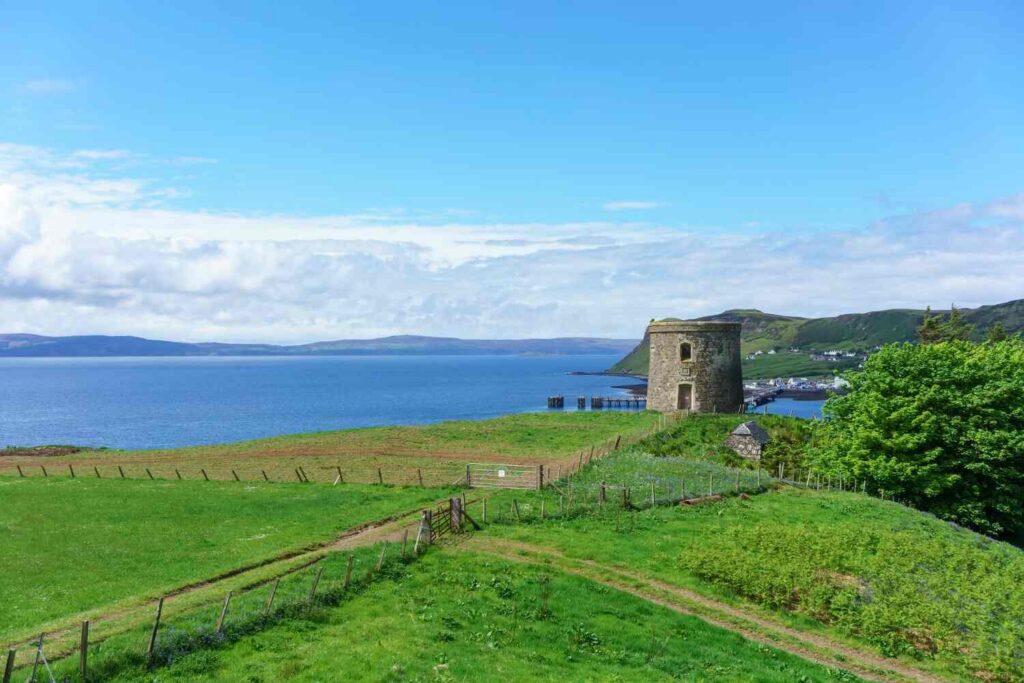
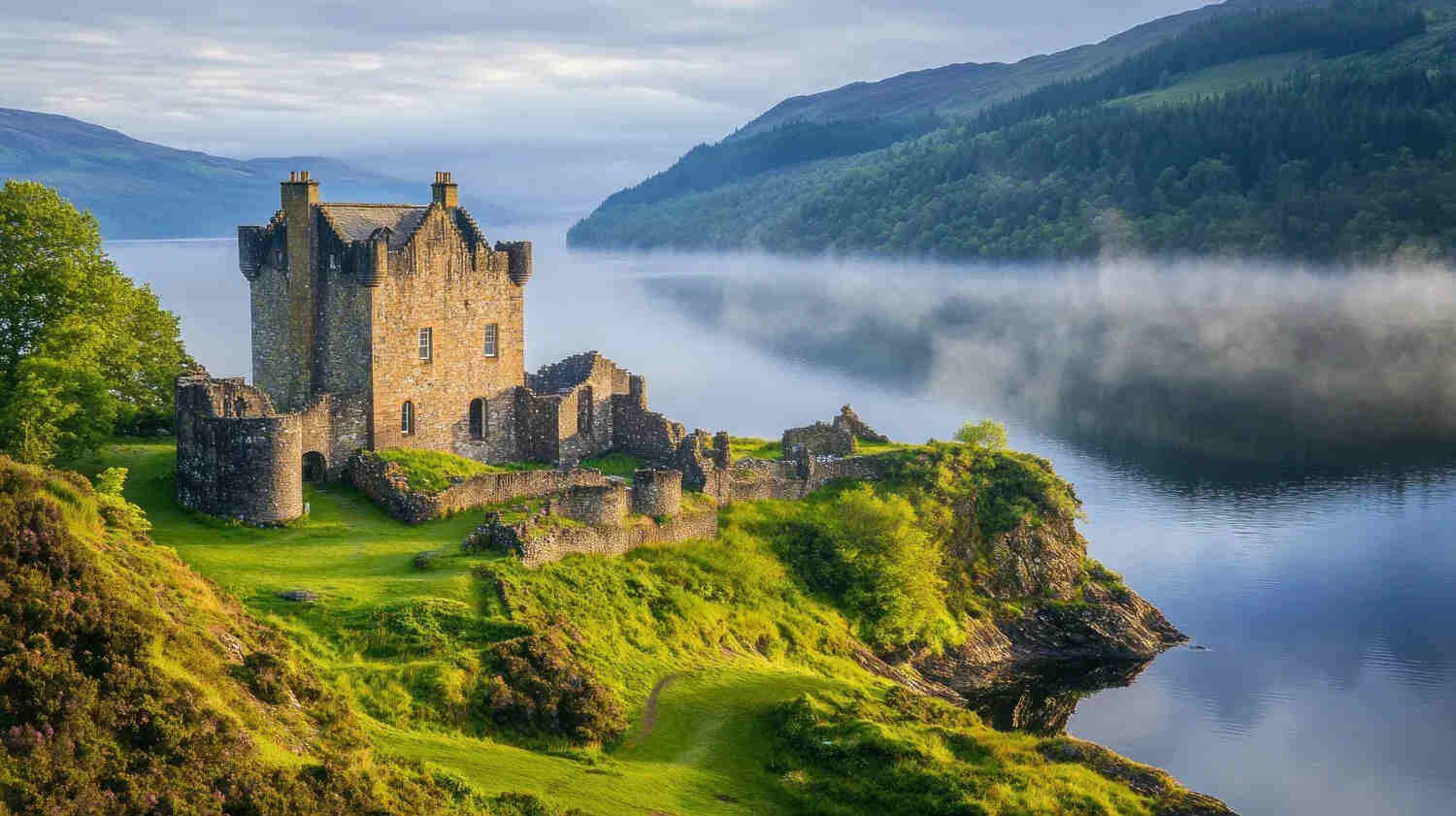
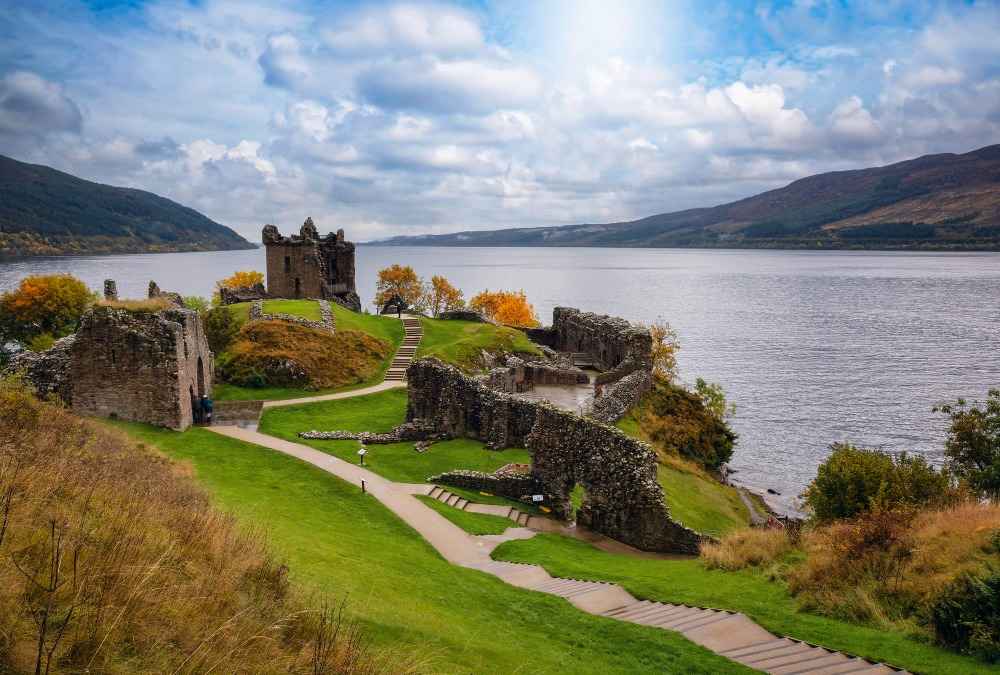
    Okay, this is one stop you really shouldn’t skip on your list of places to visit near Loch Ness! Urquhart Castle sits right beside Loch Ness. The views from its grounds are beautiful. 

    You can walk around the old ruins. They are hundreds of years old. You can see what is left of the great hall and climb the Grant Tower to get a closer look at the water.

    The castle has seen lots of Scottish history, including battles and fights. So those old stone walls have a big story to tell!

    Time needed: About 1.5 to 2 hours.

    A grown-up ticket costs £14 if you buy it online. At the door, it costs £16. Parking is free, but you must book it online when you buy your ticket. Book early, especially in summer. 

    The Loch Ness Experience, Drumnadrochit

    Still wondering about Nessie? This is the place to dig into the mystery! 

    The Loch Ness Experience narrates the cases of people who once claimed to have seen the monster. It shows how hunters searched for it and shares what scientists found when they looked. You can learn about how the loch was made and its long history too.

    It’s a great indoor stop, especially if the Highland weather surprises you with rain. Kids who love mystery stories will probably have a lot of fun.

    Time needed: About 1 hour.

    A grown-up ticket in the quieter months starts at £15 if you buy online. If you just walk in, it costs £18. Check the calendar for the season before you go.

    Fort Augustus and the Caledonian Canal locks

    Want a break from castles? Go to Fort Augustus. It’s at the southern end of Loch Ness.

    The village has six canal locks. They work as water lifts for boats. The boats slowly go up or down to a new water level.

    It’s really fun to watch, especially when a boat is passing through! You can walk along the canal, rest for a while and have lunch at a nearby café or just sit quietly by the water.

    Time needed: About 45 minutes to 1.5 hours.

    Stay on the marked paths. Give the boats and the canal workers plenty of space near the locks.

    Falls of Foyers

    Fancy a waterfall stop? The Falls of Foyers are on the south-eastern side of Loch Ness. They are hidden in the woods, inside a deep, steep valley.

    The water drops about 140 feet. That’s taller than a ten-story building! You can hear it rushing and splashing as you walk. It feels very different from the calm, quiet views of the loch.

    A marked path leads you to the places where you can look at the falls. There are steps to climb, so wear comfy walking shoes.

    Time needed: About 45 minutes to 1 hour 15 minutes.

     Go after it has rained, and the waterfall will be stronger. But be careful! Wet steps can be slippery.

    Dores Beach

    Need a little break? Dores Beach is a lovely spot to stop and sit by the water. It’s at the northern end of Loch Ness. You can look out across the lake to the hills.

    You don’t need a ticket here. You don’t need a big plan either. Take photos. Breathe in the fresh Highland air. Or go for a short walk. Lots of people come here hoping to spot Nessie!

    Time needed: About 20 to 40 minutes.

    You can park in the village. But on sunny weekends, the spaces can fill up fast.

    Boleskine House and Divach Falls

    There are two stops for people who are very much fond of strange old stories and quiet nature.

    Boleskine House is on the southern shore of Loch Ness. Its past is very unusual. Some famous people once owned it. It also had two big fires. Now it has been fixed up, and visitors can look around on their own.

    Divach Falls is near Drumnadrochit. A path through the woods leads to a spot where you can see the waterfall.

    Time needed: About 1 hour for each stop.

    A ticket for Boleskine House costs £12.50. You walk around by yourself. Check the calendar before you go. Also check for news about Divach Falls. A landslide has made it hard for cars to get there.

    Best Activities To Do At Loch Ness

    Okay, so you’ve seen the castle, taken your photos and heard lots about Nessie. What amazing things to do at Loch Ness next? 

    You can spend the rest of your day out on the water, walk through the countryside and even ride a bike around the loch! There are loads of Loch Ness Scotland activities to keep you busy, even on a two-day trip. 

    Boat Cruises

    A boat cruise is a must-do! You get to see Loch Ness from a whole new view. There are hills on both sides. Old castle ruins pop up along the shore. And yes, you can look out for Nessie too!

    Boat trips leave from different places. These include Clansman Harbour, Dochgarroch and Fort Augustus. One choice is the Deepscan Cruise. It lasts about an hour and goes past Urquhart Castle.

    Time needed: About 50 minutes to 2 hours, depending on the cruise.

    For 2026, the Deepscan Cruise costs £25 for a grown-up and £21 for a child. It only runs in the warmer part of the year, from spring to autumn. Book online. Get there at least 15 minutes before the boat leaves.

    Walking and Hiking Trails

    Love a good walk? There are some lovely paths around the loch. The South Loch Ness Trail goes from Inverness to Fort Augustus. You’ll pass through woods, small villages and places with great views.

    There’s also the Loch Ness 360° Trail. It’s a path that goes all the way around the loch in a big circle. It is 80 miles long. It joins up with the Great Glen Way and the South Loch Ness Trail.

    Don’t worry, you don’t have to walk all 80 miles! Pick a short part. Take some water with you. And take your time to enjoy the views.

    Time needed: About 1 to 3 hours for a short walk. The whole path takes several days.

    Look up how long and how hard the path is before you go. Some parts have steep hills and bumpy ground.

    Cycling

    Cycling is a great way to see more. You can ride to the little villages along the shore. The Loch Ness 360° route has lots of pretty parts. But some bits have steep hills and bumpy ground.

    You can bring your own bike. Or you can look for a shop that rents bikes near Inverness. A short ride is perfect for a calm, easy day.

    Time needed: About 2 to 4 hours for a short ride.

    Pack a repair kit, some water and bike lights. Be careful on the A82. It can get very busy with cars.

    Kayaking and Paddleboarding

    Want to get closer to the water? You could try kayaking or paddleboarding. You can float along the shore and enjoy the Highland views. It feels very different from the land.

    Some local companies run guided trips. They can also rent you the gear. But it depends on the weather and the time of year.

    Time needed: About 1 to 2 hours for a guided trip.

    Loch Ness is very, very deep. The water stays cold, even in summer. Wear a life jacket that helps you float. Pick a trained local guide. And if you’re new to this, never go out on your own.

    Wildlife Spotting

    There’s something you might not have on your list: spotting wild animals! The woods around Loch Ness are home to red squirrels, deer and lots of kinds of birds.

    Take a slow walk through the quieter parts of the woods. Watch for anything moving in the trees. Very early in the morning is a great time to look for birds and other animals. There are fewer people around then, too.

    Time needed: About 30 minutes to 1 hour.

    Bring binoculars. Also, stay a little way back from wild animals so you don’t scare them. You may need to wait quietly for a while. But seeing a red squirrel is a lovely surprise!

    Loch Ness Travel Tips

    A little preparation can save you quite a bit of time during your Loch Ness tours. You don’t need to schedule every minute, but knowing the best season, travel routes and accommodation options will help you get more out of your trip.

    Best Time to Visit

    So, when should you visit? May to September is a popular period because you get more daylight and a wider choice of cruises and visitor attractions. July and August are the busiest months, so there will be more crowds of visitors at popular stops.

    Spring and autumn at the beginning are good alternatives for quieter Loch Ness sightseeing. Winter has its own charm, but some cruises and attractions operate on reduced schedules.

    MonthWhat to expectA little advice
    January to FebruaryCold days and limited daylight.Check attraction opening dates.
    March to AprilSpring scenery and improving daylight.Check cruise start dates.
    May to JunePleasant sightseeing conditions.A good time for walks and cruises.
    July to AugustPeak visitor season and busy attractions.Book accommodation and tickets early.
    September to OctoberAutumn colours and cooler weather.Check seasonal schedules.
    November to DecemberShort days and fewer visitor services.Check closures before travelling.

    How Many Days Do You Need?

    One day is enough for the main highlights, such as Urquhart Castle, a boat cruise and a stop at Dores Beach. But honestly, two days would give you a much nicer pace.

    You could spend the first day around Drumnadrochit and the western shore, then head towards Fort Augustus and the Falls of Foyers on day two.

    Got three days? You can take a longer walk, a cycling route or visit some of the quieter villages. You’ll have time to see more without rushing between stops.

    Where to Stay

    Where should you book your accommodation during Loch Ness tours? That depends on how you want to spend your trip. Here are three convenient options:

    • Inverness: A good base for hotels, restaurants, train connections and guided trips. It’s also handy when travelling without a car.
    • Drumnadrochit: Stay here to be close to Urquhart Castle and The Loch Ness Experience. You’ll also find guesthouses, hotels and places to eat.
    • Fort Augustus: A nice choice for canal-side accommodation, walking routes and access to the southern end of the loch.

    Dores and Foyers are also worth considering if you prefer quieter accommodation near the water. Having a car will make getting around these smaller villages easier.

    Where to Eat

    All that sightseeing is bound to make you hungry! Luckily, you can find cafés, pubs and restaurants around the main villages.

    Drumnadrochit has options such as Fiddlers, the Loch Ness Inn and Ness Deli. Fort Augustus has cafés and pubs near the canal, so you can stop for lunch after watching the boats pass through the locks.

    Inverness has a wider choice of restaurants, including places serving Scottish seafood and local produce. Check opening days and dinner reservations before visiting, particularly outside summer.

    Tickets, Parking and Booking Ahead

    Here’s one thing you don’t want to leave until you arrive: tickets for the popular attractions.

    • Urquhart Castle has limited parking.
    • Parking must be booked online alongside your entry ticket. 
    • The Loch Ness Experience also recommends advance ticket booking, with online prices starting at £15 for off-peak adult admission.
    • Boat cruises have seasonal schedules, so check the departure dates and times before setting out. 

    Keep your booking confirmation handy and arrive early for your departure.

    What to Pack for Highland Weather

    The Scottish Highlands have a habit of surprising you with the weather. You might start your morning in sunshine and find yourself reaching for a jacket an hour later.

    So, what to pack?

    • A waterproof jacket for rain and wind.
    • Warm layers for cooler mornings and evenings.
    • Sunscreen and sunglasses for brighter days.
    • Walking shoes that are comfortable to wear for woodland paths and castle grounds.
    • A reusable water bottle and some snacks.
    • A portable phone charger for maps and photographs.

    And don’t forget your camera! There are plenty of lovely viewpoints around the loch.

    Loch Ness Facts and the Legend of Nessie

    Loch Ness is a huge loch in Scotland. It’s about 23 miles long. That’s further than most people could walk in a whole day! 

    It’s very deep too. In some places, it goes down about 230 metres. That’s deeper than two football pitches standing on their ends.

    The water looks dark, almost like tea. That’s because bits of old plants, called peat, wash down from the hills into the loch.

    Now here’s the fun part. Some people say a secret monster lives in the water. Her name is Nessie! People have told stories about her for years and years. That’s why so many visitors come to Loch Ness.

    Has anyone proved that Nessie is real? No, not yet. But that’s okay! Keep your eyes on the water during your boat trip. You might feel like a monster detective.

    And even if Nessie stays hidden, there’s lots to see. You’ll spot green hills, old castles and maybe even some wild animals. It’s a brilliant day out either way!

    See Loch Ness the Easy Way with Go Highland Tours

    Definitely come and see Loch Ness with us! At Go Highland Tours, we take you to the best spots in the Scottish Highlands. 

    You’ll see castle ruins, big waterfalls and the lovely, deep loch. We do all the planning. You just sit back and enjoy the ride! Our Loch Ness tour guides narrate fun stories, and yes, there are Nessie ones too. 

    Who knows? Maybe you’ll spot her! Check out our Scottish Highlands guided tours and book your Loch Ness trip today with us!

    FAQs

    Q1. What is the best thing to do at Loch Ness?

    A: If it’s your first visit, start with Urquhart Castle and a boat cruise. You’ll see lovely views, learn a bit of Scottish history and hear stories about Nessie. Got time left? Pop over to Dores Beach or visit The Loch Ness Experience.

    Q2. How long do you need at Loch Ness?

    A: One day is enough for Urquhart Castle, a cruise and a couple of stops nearby. With two days, you can add Fort Augustus, Falls of Foyers and a walk. Got three days? You can try longer hikes and bike rides too.

    Q3. Can you swim in Loch Ness?

    A: You can, but it’s not easy. The water is freezing, even in summer, and the loch is very deep. Sudden cold water can be dangerous. There are also no lifeguards along most of the shore. So only experienced open-water swimmers with proper safety gear should try it.

    Q4. What is the best time to visit Loch Ness?

    A: May to September is a great time. The days are longer, and there are more cruises to pick from. June to August is the busiest, though. If you’d like it quieter, try May, September or early October. Check opening times before you go.

    Q5. Can you see the whole loch in one day?

    A: You can drive around most of it in a day and stop at a few main places. But trying to see every village and attraction will feel rushed. The Loch Ness 360° Trail is about 80 miles long. Walking or cycling all of it takes several days.
  • 10 Most Beautiful Castles to Visit in the Scottish Highlands

    Scotland is home to approximately 3,000 castles. While exploring all of them would be a dream come true, it is impractical to think that a traveller can check them all out in a lifetime!

    So, if you’re planning a trip to the Scottish Highlands, where should you begin? We’ve rounded up 10 of the most beautiful castles in the Scottish Highlands, from fairytale-like fortresses and dramatic lochside landmarks to ancient strongholds steeped in history.

    You may not get to see all 3,000 castles, but these ten are a wonderful place to start! So, are you ready to explore Scotland’s castle country? Let’s dive in!

    1. Eilean Donan Castle

    If there is one castle that captures the beauty of Scotland, it has to be Eilean Donan Castle. This beautiful castle is around 80 miles west of Inverness and just 8 miles from the Skye Bridge. It is set on a small island where three sea lochs meet, near the village of Dornie.

    With its stone bridge, mountain backdrop and reflection in the water, it is easy to see why Eilean Donan is one of the most famous castles in Scotland. It also makes a wonderful stop for anyone exploring the Scottish Highlands and looking for some of the best places to visit in Scotland.

    The castle dates back to the 13th century and has a fascinating past. It was badly damaged by British warships in 1719 during the Jacobite rising and remained in ruins for almost 200 years. It was finally restored by Lt Col John MacRae-Gilstrap between 1912 and 1932.

    Today, visitors can explore its historic rooms, including the grand banqueting hall, bedrooms and traditional kitchen. There is also a visitor centre with a café and gift shop, which makes it easy to spend a little more time here.

    • Opening hours: Generally 10 am to 4 pm in winter. 10 am to 6 pm in summer.
    • Last entry: One hour before closing.
    • Adult tickets: Around £13.
    • Child tickets: Around £6.50.
    • Children under 5: Free.

    Get there early, as there are fewer visitors in the morning. You will be able to enjoy the peaceful surroundings more and take great photos of the iconic Scottish castle.

    Note: Opening hours and ticket prices can change depending on the season, so you should check the official website before visiting. 

    2. Urquhart Castle

    You can locate this one of the famous castles in Scotland on the western shore of Loch Ness, near the village of Drumnadrochit. If you are travelling from Inverness, you can reach the castle in around 30 minutes by car via the A82.

    Visitors from all over the world come to see its beautiful setting, ancient stone ruins, green hills and lovely views of Loch Ness. And since this loch is home to the legend of the Loch Ness Monster, you can try hunting for Nessie during your visit! 

    Dating back to the 13th century, the castle was once an important medieval fortress. It witnessed many battles and was partly destroyed in 1692 to prevent Jacobite forces from using it. Today, you can explore the ruins, climb the Grant Tower for lovely loch views and learn more about its history at the visitor centre.

    • Opening hours: Generally from 9:30 am, with seasonal closing times.
    • Adult entry: Around £14
    • Child over 7: £ 8.50 
    • Senior: £ 11 
    • Family: £ 40.50 

    Check the official Historic Environment Scotland website for the latest opening hours and ticket prices.

    3. Dunrobin Castle

    Looking for more beautiful Scottish Highlands castles to add to your travel list? Cawdor Castle is a lovely choice. 

    Located near the village of Cawdor, around 14 miles east of Inverness, it takes about 25 minutes to reach by car. There are historic buildings, beautiful gardens and peaceful countryside.

    The castle dates back to the late 14th century and is still home to the Cawdor family. It is also closely associated with Shakespeare’s famous play Macbeth, although the real King Macbeth died long before the castle’s central tower was built.

    Inside, you can visit very beautifully decorated rooms with old furniture and tapestries. Outside, take some time to wander through the walled garden, flower garden and famous holly maze. There are also woodland trails if you fancy a little walk.

    • Opening season: May to early October
    • Opening hours: approx. 10 am to 5 pm
    • Adult (17+): £16.00
    • Concession: £14.00
    • Child (6-16): £10.00
    • Family (2 adults + up to 3 children): £47.00
    • Children under 6: Free

    Don’t rush your visit. The gardens are just as lovely as the castle itself, so leave enough time to explore both.

    4. Cawdor Castle

    Another beautiful stop on our list of the most beautiful castles in the Scottish Highlands is Cawdor Castle, a charming medieval castle surrounded by green gardens and peaceful woodland. Located near Nairn, around 14 miles east of Inverness, it takes approximately 25 minutes to reach by car.

    Built in the late 14th century, the castle is still home to the Cawdor family. Its stone walls, historic interiors and traditional furnishings give visitors a glimpse into Scotland’s past.

    There is plenty to explore outside too. Walk through the flower and walled gardens, find your way around the holly maze or take a stroll along the woodland paths. Cawdor Castle is also one of the hidden gems in the Scottish Highlands you shouldn’t miss.

    • Opening season: 25 April to 4 October.
    • Opening hours: 10 am to 5 pm.
    • Adult: £17.00
    • Concession: £15.00
    • Child (6–15): £8.50
    • Family: £40.00
    • Children aged 5 and under: Free
    • Garden adult ticket: £10.00

    Set aside around two hours to explore the castle and its gardens. The woodland walks are worth a little extra time too.

    5. Dunvegan Castle

    Another lovely place to add to your Scottish Highlands trip is Dunvegan Castle, one of the historic castles in the Highlands that has a story going back nearly 800 years. Located on the Isle of Skye, around 25 miles from Portree, it has been the home of the Clan MacLeod chiefs for generations. 

    As you walk around, you’ll find old family portraits, antique furniture and personal collections that tell stories of the MacLeod family. Don’t miss the famous Fairy Flag, a piece of old silk that has been treasured by the family for centuries. Once you’re done exploring the castle, head out to the gardens or take a boat trip on Loch Dunvegan to spot seals swimming nearby.

    • Opening season: 26 March to 15 October.
    • Opening hours: 10 am to 5:30 pm.
    • Last admission: 5 pm.
    • Adult: £18.00
    • Child (5–15): £12.50
    • Senior (65+) / Student: £15.50
    • Family: £46.00

    Set aside a couple of hours to see the castle and gardens. And if you fancy doing something different, the boat trip is a lovely way to spot the local seals.

    6. Blair Castle

    Next on our list is Blair Castle, a beautiful white castle in Blair Atholl, Perthshire. It is a little further south than most castles near Inverness, but it is worth a stop on your Scottish Highlands road trip.

    Inside, you can explore some 30 rooms, including a grand ballroom decorated with deer antlers, beautiful tapestries and old family collections. The Dukes of Atholl used to live in the castle, and there are many interesting stories about the olden days.

    You can wander around the Hercules Garden outside to see its ponds and flower beds or visit the deer park. And there are woodland paths for a quiet afternoon walk.

    • Opening season (2026): 1 April to 30 October.
    • Opening hours: 10 am to 5 pm.
    • Adult ticket: £20 online.
    • Child (5–16 years): £12.50 online.
    • Senior (60+): £17.50 online.
    • Family ticket: £65 online.

    Allow around two hours to see the castle and gardens. Both are worth exploring at a relaxed pace.

    Note: Prices and opening dates are for 2026. Blair Castle is currently closed for winter and is planned to re-open on 25 March 2027. Please visit the website for updates.

    7. Inveraray Castle

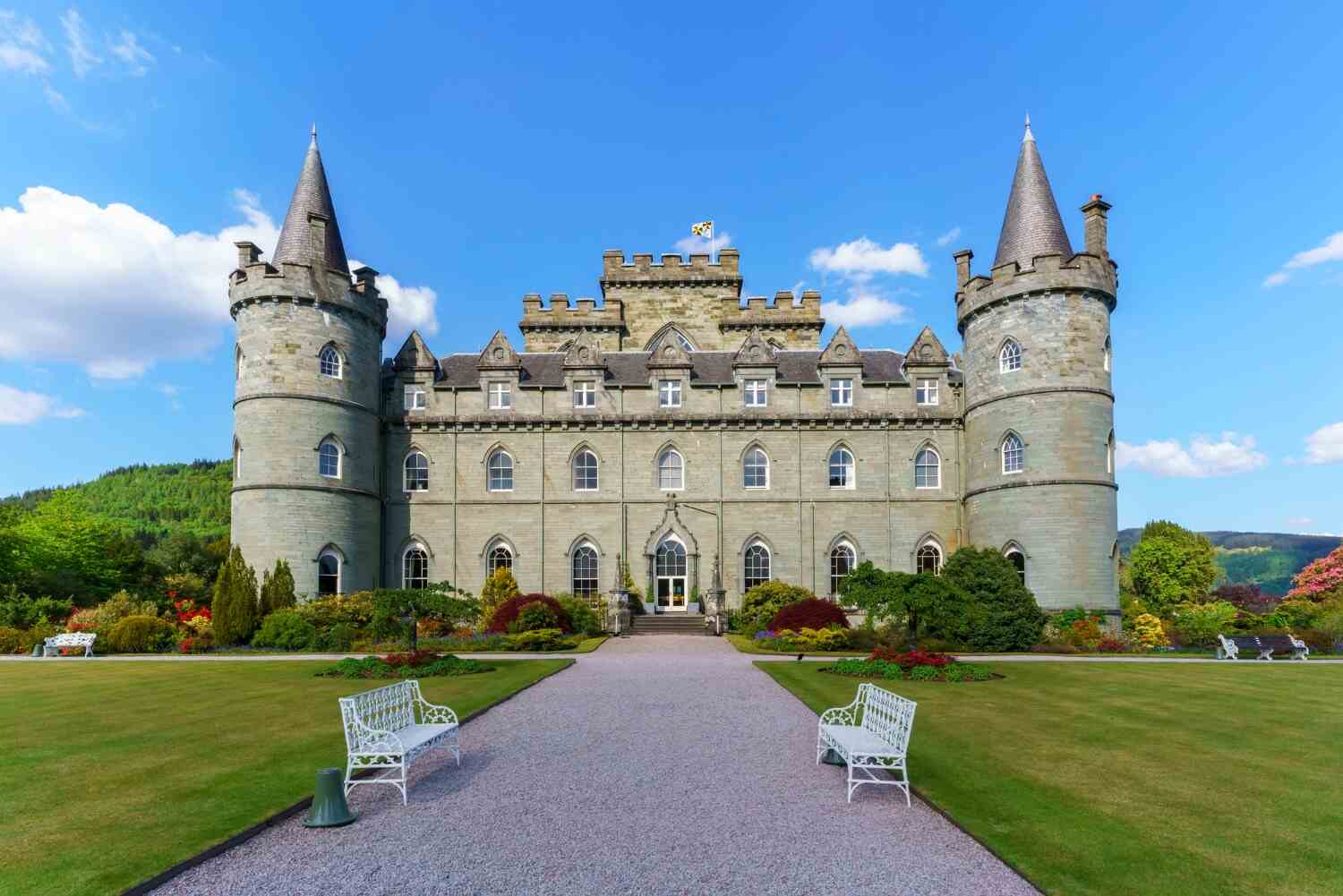
    Next on our list is Inveraray Castle, a beautiful historic home beside Loch Fyne in Argyll, Scotland. Around 60 miles from Glasgow, it is a lovely place to visit and one of the beautiful castles in the Scottish Highlands. The castle has been home to the Dukes of Argyll, the chiefs of Clan Campbell, for generations.

    Inside, you can stroll through grand rooms with old paintings, family portraits and beautiful tapestries. It has lovely tall towers, pointed roofs and beautiful stone walls that look like something out of a fairy tale. 

    The palace is also surrounded by beautiful gardens. Today, it is privately owned and used mainly for weddings, but it looks like a lovely place to visit.

    • Opening season (2027): 25 March to 26 October.
    • Opening days: Thursday to Monday.
    • Opening hours: 10 am to 5 pm (March–September).
    • October hours: 10 am to 4 pm.
    • Adult ticket: £19.25
    • Senior (60+): £16.75
    • Child (5–15 years): £12.50
    • Family ticket (2 adults + 3 children): £65
    • Children under 5: Free
    • Gardens-only ticket: £12

    Approx. 2-hour visit to the castle and gardens. The Castle is closed for winter and is planned to open on 25 March 2027. It remains closed on Tuesdays and Wednesdays during the visitor season.

    8. Edinburgh Castle

    No trip to Scotland feels complete without a visit to Edinburgh Castle, one of the most famous castles in Scotland. It is situated on top of Castle Rock in the heart of Edinburgh, from where you can view beautiful scenery of the city. 

    There is plenty to see inside! You can visit the Royal Palace, see Scotland’s Crown Jewels, explore the Great Hall and learn so much about the history of the castle. 

    Also, don’t miss the famous One O’Clock Gun, which is fired every day except Sundays and a few special days. You can also see Mons Meg, a huge medieval cannon kept within the castle grounds.

    • Opening hours (April–September): 9:30 am to 6 pm.
    • Opening hours (October–March): 9:30 am to 5 pm.
    • Last entry: One hour before closing.
    • Adult ticket (16–64 years): £23.50 online.
    • Concession (65+): £19.00 online.
    • Child (7–15 years): £11.50 online.
    • Children under 7: Free.

    Give yourself at least two hours to explore the castle. Book your tickets online in advance during the busy summer months. Ticket prices and timings are checked against the official 2026 visitor information.

    9. Kilchurn Castle

    Looking for a castle with beautiful views and a little history? Kilchurn Castle is a lovely place to visit beside Loch Awe in Argyll. Around 2.5 miles from Dalmally, this old castle stands on a small piece of land surrounded by water and mountains.

    The castle dates back to the mid 1500s and was once home to the Campbell family, but was also used as a military base. Nowadays, it is in a state of ruin. 

    However, there are still old stone buildings, including a tower and walls. You’re able to walk around the castle, take some photos and enjoy some beautiful views across Loch Awe and Ben Cruachan.

    • Opening status: Currently CLOSED for conservation.
    • Outside access: Accessible from outside the castle.
    • Entry fee: No entry charge.
    • Parking: No parking available.

    Enjoy the views and take some beautiful photos. We recommend wearing comfortable clothing and footwear as you may encounter some muddy paths. The area surrounding the lake can become flooded.

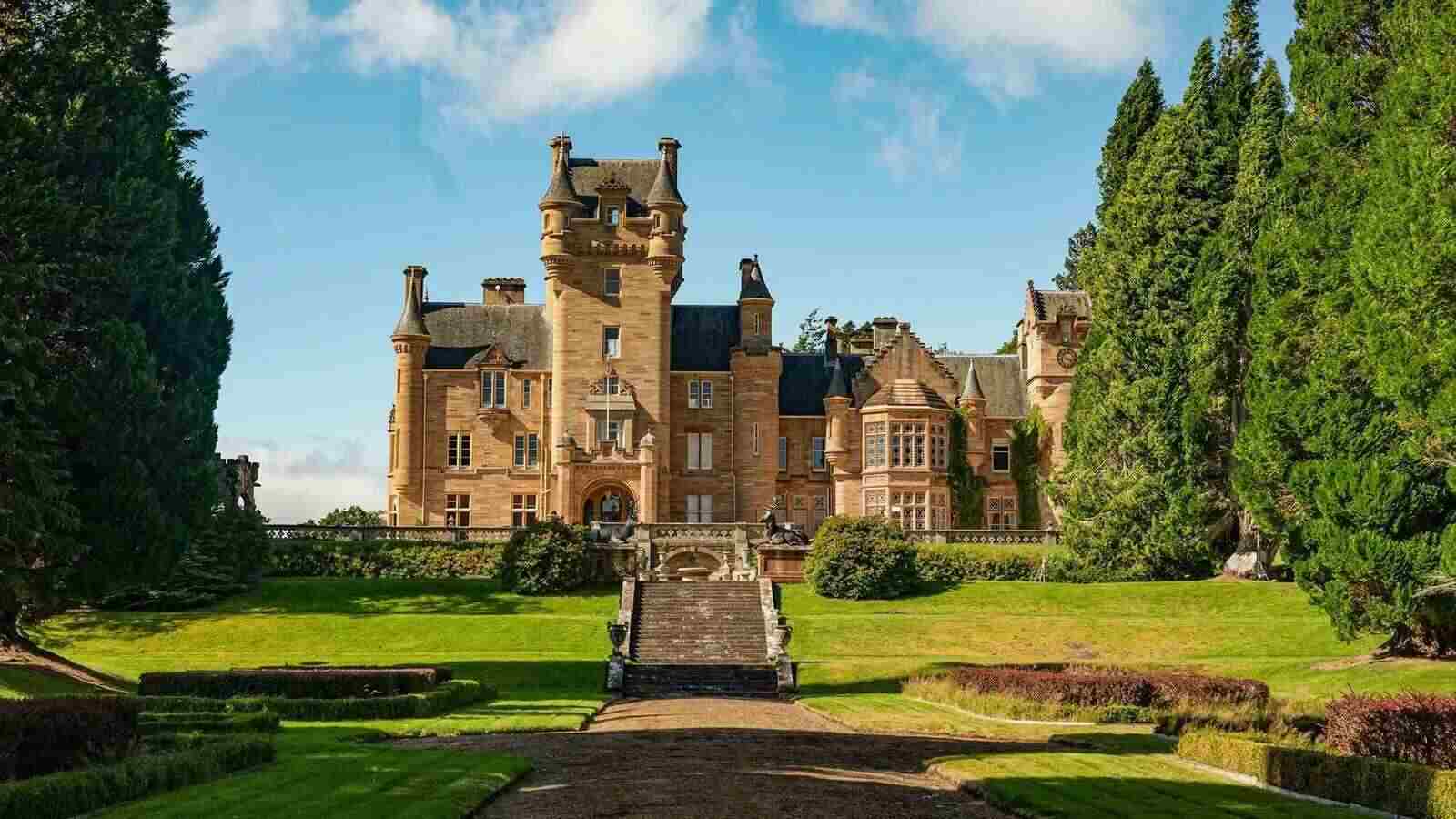
    10. Ardross Castle

    You may recognise Ardross Castle from The Traitors, as this beautiful Scottish castle was selected as the major filming location for the popular TV show. The castle was built in the late 1800s and is located near Alness in the Scottish Highlands.

    It has beautiful high towers, pointed roofs, and stunning stone walls that make it look like something from a fairy tale. It’s surrounded by beautiful gardens and greenery. Although it looks like a lovely place to visit, it is privately owned and is mainly used for wedding ceremonies.

    • Opening hours: Not open to the public.
    • Entry fee: No tickets available.
    • Private events: Exclusive bookings available.

    Whilst you’ll be able to enjoy the beautiful architecture of the castle in photos (especially if you were a fan of the show!), it is not open to the public.

    Top Tips for Visiting Castles in Scotland

    By planning ahead, you can make your castle visit a lot easier. Here are some tips to keep in mind:

    • Cover nearby castles in one drive.
    • Check opening times, as some castles may have different times throughout the year.
    • Book tickets online, as some are extremely busy in the summer months.
    • Wear comfortable footwear as there will be some bumpy paths, stone steps and garden paths.
    • Pack some snacks and water as not all castles will have a café nearby.
    • Check the weather and bring an umbrella as the weather can change quickly in the Highlands.
    • Bring a camera along, as there are plenty of beautiful photo opportunities.

    These beautiful castles in the Scottish Highlands are a great starting point to learn more about Scotland’s history, architecture and beautiful scenery. Choose your favourite castles, plan your route and get ready for an amazing Scottish adventure!

    Go Highlands Scottish Highlands Tours

    Want to see these beautiful castles in the Scottish Highlands for yourself? Go Highlands can help you plan your trip. 

    Choose between our guided day trips, private trips or multi-day adventures with local guides who know the stories behind Scotland’s most interesting places. Whether you’re interested in Loch Ness, history-filled castles or beautiful North Highlands, we can help start your Scottish adventure.

    Start planning your Scottish adventure with Go Highlands!

    FAQ’s

    Q1. What is the best time to visit castles in the Scottish Highlands?

    A: May to September is a popular time to visit the castles in the Highlands. There are longer days and usually nicer weather. Many castles will have longer opening hours. Spring and early fall can also be wonderful with fewer people visiting.

    Q2. Can I visit Scottish Highland castles without a car?

    A: Yes, you can, but you will need to plan ahead. Some castles can be reached via public transport. However, others are in more secluded spots with limited bus services. If you do not want to drive, then you can do a guided tour from Inverness.

    Q3. How many days do you need to explore the Scottish Highlands?

    A: 3 – 5 days would be a good amount of time to see some of the main attractions. You can visit some castles, take some scenic drives and visit some lochs.

    Q4. Are there any free castles in the Scottish Highlands?

    A: Yes, there are some ruins and historical sites which you can visit for free. Kilchurn Castle is accessible from the outside for free. However, there could be some restrictions. Always check for the latest information.

    Q5. Are the castles in the Scottish Highlands good for children?

    A: Yes! There are lots of castles that are great for families to visit. Children can explore the historical rooms, learn about the old tales, walk around the gardens and learn about Scottish history. Some locations also have woodland walks and open spaces. Some castles may have bumpy paths and steep steps if they are ruins.

    Q6. Can I visit Loch Ness and a castle on the same day?

    A: Absolutely! Urquhart Castle sits next to Loch Ness, so you can easily visit both. You can enjoy the views, walk around the historical ruins and explore some of the surrounding villages. It is a beautiful way to visit two famous attractions in one day.

  • Best Things to Do Near Invergordon Cruise Port in Scotland

    You’ve just stepped off the ship in the Scottish Highlands. Green hills, a wide stretch of water, and a ship that leaves in a few hours. So what do you do with the time?

    Cruise days are short, and nobody wants to spend theirs staring at a map or wondering if they’ll make it back before the gangway closes.

    Here’s what you’ll get from this guide: easy things you can walk to from the port, bigger trips that need a car or a tour, and a few simple tips so your day goes smoothly. By the end, you’ll know exactly which spots are worth your time.

    Walk the Invergordon Mural Trail

    The first thing you’ll notice in Invergordon is the art. Huge, colourful paintings cover the sides of buildings all over town.

    The Mural Trail is free, and it’s one of the best things to do right off the ship. The paintings tell stories about the town’s past, the people who live here and life in the Highlands. It’s like walking through a giant picture book.

    No ticket. No tour. Just wander at your own pace.

    Visit the Invergordon Naval Museum and Heritage Centre

    Invergordon has a long link with the Royal Navy. The Cromarty Firth is deep and sheltered, so it’s been a safe place for warships to park for a very long time.

    The Naval Museum and Heritage Centre sits at 140 High Street, only a short stroll from the main pier. Inside, you’ll find exhibits about the Royal Navy, local life and the town during both World Wars.

    One big story is the Invergordon Mutiny of 1931. Sailors were told their pay was being cut, and they protested. Imagine your pay suddenly dropping, and you’ll get why they were upset.

    Explore the Town Centre

    You don’t need a taxi for this one. Invergordon is small, and most of it is within walking distance of the port.

    Stroll down High Street and poke around the shops. You’ll find souvenirs, little gifts and everyday bits and bobs. Look for Scottish things to take home, like tartan scarves, local crafts and other small keepsakes.

    When your feet need a break, grab a coffee or a bite at a café. It’s a nice way to slow down with family or friends before heading back.

    Play a Round of Golf

    Scotland is the home of golf, so why not try it while you’re here?

    Invergordon Golf Club is an 18-hole course on King George Street, with views toward the Cromarty Firth. It’s close to the port, so you don’t have to travel far. The club hires out equipment, and the clubhouse bar is a good spot for a drink afterwards.

    A full round takes several hours, so plan your ship’s schedule carefully. Call the club ahead of time to book a tee time.

    Soak Up the Cromarty Firth

    A firth is a big arm of the sea, and the Cromarty Firth is a big reason this part of Scotland looks so good.

    Hills and small towns surround the water, and several spots around Invergordon offer great views. Walk along the waterfront and watch the boats move past. On a clear day, the hills make a perfect photo backdrop. Keep an eye out for birds along the shore, too.

    Our tip: Bring a light jacket. The weather near water can flip fast, even in summer. And if you want a quiet break from the crowds, the waterfront is a great place to sit and take it all in.

    Loch Ness and Urquhart Castle

    Have you heard of the Loch Ness Monster? Nessie? This is where the legend comes from.

    Loch Ness is one of Scotland’s best-known lochs (that’s the Scottish word for lake), and it’s very, very deep. You can enjoy the views, take photos and hear the stories. Nobody’s proved Nessie is real, but nobody’s proved she isn’t either.

    Urquhart Castle is a popular stop here. Its ruins sit right on the water, with great views of the surrounding land.

    Many cruise passengers head here, but it’s a longer trip than the town’s walking spots. Plan carefully so you’ve got plenty of time to get back to the ship.

    Culloden Battlefield

    Love history? Culloden is near Inverness, and it’s one of the most important places in Scottish history.

    The battle took place on 16 April 1746. It was the last major battle of the Jacobite Rising, when supporters of Charles Edward Stuart tried to put him on the throne. They lost, and the Highlands changed afterwards.

    Today, you can walk across the battlefield and see memorial stones for the people who died. The visitor centre has displays and stories about the people who fought.

    Cawdor Castle

    Cawdor Castle is known for its gardens, old rooms and long history. Inside, you’ll see antique furniture and artwork that show how people lived long ago.

    You might know the name from Shakespeare’s play Macbeth. There’s a link, but it’s a loose one. The real castle was built hundreds of years after the real Macbeth lived.

    The gardens are a lovely place to walk, with flowers and peaceful paths.

    Dunrobin Castle

    If a castle ever looked like it belonged in a fairy tale, it’s Dunrobin. Tall towers, sea views and formal gardens inspired by the Palace of Versailles in France.

    It was the home of the Earls and Dukes of Sutherland, and you can tour parts of the building to learn about its history. With 189 rooms, it’s huge.

    During the season, you can also catch a falconry display, where trained birds of prey fly right above the garden.

    Try Local Food

    You can’t visit Scotland without tasting something local.

    If you’re hungry after wandering the town, stop at one of the cafés or small eateries on High Street for coffee, a light lunch or a sweet treat. And if you’re feeling brave, look for these:

    • Haggis: A classic Scottish dish made from minced sheep’s heart, liver and lungs, mixed with oats, onion and spices. It sounds odd, but lots of people end up liking it.
    • Cullen skink: A thick, creamy soup with smoked haddock, potatoes and onion.
    • Shortbread: A buttery Scottish biscuit. Perfect with a cup of tea.
    • Scottish salmon: You’ll see it on plenty of menus around here.

    Invergordon Shore Excursion

    If you want to see more of the Highlands in one day, a shore excursion can help. They take you to places that are too far to walk, and someone else drives.

    Popular choices include:

    • Loch Ness and Urquhart Castle: Lake views and the Nessie legend.
    • Inverness: The Highland city, with shops and old buildings.
    • Culloden Battlefield: A major moment in Scottish history.
    • Cawdor Castle: An old castle with beautiful gardens.
    • Dunrobin Castle: A fairy-tale castle by the sea.

    Here at Go Highland Tours, we know cruise passengers don’t get much time ashore. Picking a trip means choosing the right route and keeping an eye on your ship’s departure time. We run private and small-group tours around the Highlands, so if you’d like to see what’s out there, you can look around and find one that fits what you’re into. If you’d rather do it all yourself, that’s totally fine too. This guide works either way.

    Quick Tips for Your Day in Invergordon

    A little planning goes a long way. Here’s what we’d tell a friend:

    • Know your departure time. Check your ship’s schedule and plan backwards from it.
    • Pick a few spots. Trying to cram in too many far-off places usually means rushing them all.
    • Pack a waterproof jacket. Highland weather changes fast, even in summer.
    • Wear comfy shoes. You’ll be walking around town, castles and outdoor sights.
    • Check opening times. Museums, castles and gardens often change their hours with the seasons.
    • Book popular tours early. Seats can fill up on busy cruise days.

    Final Thoughts

    Invergordon is a great place to start your Highland visit. With a few hours, you can wander the murals, visit the museum and grab a coffee. With more time, you can head out to Loch Ness, Culloden, Cawdor or Dunrobin.

    Pick a couple of things that sound fun and leave yourself plenty of time to get back to the ship. Whether you like history, castles, big views or a good story about a monster, there’s lots here to enjoy.

    Frequently Asked Questions

    How far is Invergordon Cruise Port from the town centre?

    It’s usually a short walk, about 5 to 20 minutes. It depends on where your ship docks and which way you walk.

    What are the top things to do near Invergordon Cruise Port?

    Walk the Mural Trail, visit the naval museum, shop on High Street, try local food or play a round of golf. You can also take a trip to Loch Ness and the castles nearby.

    How do I get to Loch Ness from Invergordon Cruise Port?

    Loch Ness is a popular day trip from Invergordon. You can see the loch and Urquhart Castle on a guided tour or a private trip.

    Are there free things to do near Invergordon Cruise Port?

    Yes. You can walk the Mural Trail, explore the town centre and enjoy views of the Cromarty Firth.

    What should I wear in Invergordon?

    Comfy shoes and a waterproof jacket. Even in summer, it can be cool, windy or rainy, so layers help.

  • Where Was The Traitors Filmed? Visiting Ardross Castle

    Imagine a beautiful Scottish castle surrounded by tall trees, quiet roads, and misty hills. Inside, people gather around a large round table. Some tell the truth, while others hide secrets. Everyone tries to work out who they can trust.

    Sounds familiar?

    If you’ve watched The Traitors, you may have wondered where the show was filmed. You might even want to visit the castle during a trip to Scotland.

    So, where was The Traitors filmed?

    The answer is Ardross Castle, a historic private estate in the Scottish Highlands, near the town of Alness.

    Every winter, when a new series of The Traitors airs, more people search for this famous filming location. Its towers, grand rooms, and peaceful surroundings give it a storybook appearance.

    However, there’s one important thing to know before planning your visit. Ardross Castle is privately owned, so you can’t simply walk inside or explore its gardens.

    In this guide, we’ll explore Ardross Castle’s history, its connection to The Traitors, what visitors can see, and how to enjoy the surrounding Highland countryside.

    Ardross Castle: The Filming Location of The Traitors 

    In the Highlands of Scotland, Ardross Castle is an old castle. Its stone walls, towers, and large windows give it a traditional Scottish castle look.

    The house looks the way it does now because it was turned into a grand country estate in the 1800s. Its proximity to the River Alness is another plus.

    Ardross Castle is different from some other castles in Scotland because it isn’t open to the public every day. Nobody else owns it, and events and films are filmed there.

    If you’re planning a trip, that’s a lovely touch. Just because you know the building from the show doesn’t mean you can go inside or walk the grounds whenever you want.

    Fans of The Traitors like the castle because it blends Scottish history, a grand building, and the show’s spooky feel. 

    Why Ardross Castle Is Perfect for The Traitors

    The setting plays a major role in how The Traitors feels on screen. Ardross Castle has many of the elements that make a mystery series exciting.

    1. A Grand Castle with a Dramatic Look

    The castle has a strong historical look. With its stone walls, towers and big rooms, it’s a place the production team chose for a reason.

    The building looks impressive, without much decoration. Before the contestants even start their game, it adds a sense of mystery.

    2. The Beauty of the Scottish Highlands

    The show also profits from the countryside around the castle. Open fields, green hills and wide views help the contestants feel removed from everyday life.

    The Highlands are also ideal locations for outdoor scenes. The landscape can shift from peaceful to dramatic in minutes, depending on the weather.

    3. A Private Setting for Filming

    For a TV production, a private estate offers a more controlled setting. Filming teams need space to work, equipment to set up, and areas to film scenes without regular visitor traffic.

    Ardross Castle is the perfect backdrop for the show’s combination of indoor drama and outdoor challenges.

    4. A Castle with a Historic Feel

    The castle’s traditional design suits a show built on secrets, trust, and hidden motives.

    The building does not have to be modern or heavily decorated to be eye-catching. The series’ design is a big part of what makes it so unique.

    Can You Visit Ardross Castle?

    It is one of the key questions for fans heading to Scotland.

    Ardross Castle is a private venue and not a public tourist attraction. Visitors cannot expect to enter the castle, walk around the grounds, or take photographs from inside the estate.

    Access may be available for certain events, private bookings or other approved activities. However, this restriction does not mean that general visitors can turn up and explore.

    Check the castle’s current access rules and any official announcements about public events before you go. Don’t use past travel posts or TV footage as proof that the site is open.

    This is a simple guide to what you can expect.

    What You Can Explore Near Ardross Castle

    • Visit nearby towns and villages that are open to the public.
    • See the Highland countryside from public roads and from designated viewpoints.
    • See other castles and historic sites open to visitors.

    What You Cannot Assume You Can Do

    • Trespass on Ardross Castle.
    • Walk its private grounds.
    • See the rooms where The Traitors was filmed.
    • Photograph from inside the estate.

    Respect private property at all times. If you want to visit the building, check authorised access before making any special travel arrangements.

    Where Can You Find Ardross Castle in Scotland?

    Ardross Castle is in Ross-shire in the Scottish Highlands, north of Inverness and near Alness.

    Inverness is a good base for exploring this part of Scotland. It has transport links, places to stay, restaurants and access to several Highland attractions.

    The area around Ardross Castle is known for its rural scenery and its connection with the Cromarty Firth area. You can visit neighbouring towns, enjoy the countryside, and learn about Highland history without entering the private estate.

    If you are travelling from Inverness, allow plenty of time and check your route before you set off. Travel times vary with traffic, road conditions and your selected starting point.

    Alternatively, you can include a tour of this area in a wider Scottish Highlands tour, instead of taking a trip just to the castle.

    How to Plan a Trip Inspired by The Traitors

    You don’t need to go into Ardross Castle for a show-inspired trip. With a little planning, you can explore the region and see more of the Highlands.

    For a convenient base, start in Inverness. From there, you can arrange excursions to nearby towns, historic sites and scenic areas.

    Check opening hours before you visit attractions. Some sites are seasonal, and others require tickets or bookings.

    Also consider how you want to get there. Driving gives you more flexibility to stop at viewpoints and small towns. A guided tour can help if you want someone to take you along the route and tell you about the area’s history.

    We at Go Highland Tours help travellers explore the landscapes, history and local attractions of Scotland. Let our tours of the Scottish Highlands help you plan a wider trip around the area.

    If you’re interested in the show’s setting, you can also read our guides to Ardross Castle for The Traitors – A Highland Saga.

    The show allows the guides to reveal more about the castle and its connection to the Highlands.

    Is Ardross Castle Worth Visiting for the Traitors’ Fans?

    For fans of The Traitors, Ardross Castle is an engaging place to learn about, as it features so heavily in the show’s identity.

    But it is important to have realistic expectations. You might not be able to enter the building or see the rooms shown on TV.

    There’s still plenty to see in the surrounding Highlands. You can visit public castles, walk along famous lochs, find small towns and enjoy the scenery that is special to this part of Scotland.

    You may even think the greater area is the highlight of your trip. After all, the Highlands offer more than one filming location.

    Plan your visit to public places, and think of Ardross Castle as an important part of the show’s story rather than a guaranteed stop on your sightseeing route.

    Explore More of the Scottish Highlands

    Ardross Castle is now a familiar sight for fans of The Traitors. The show benefits from its historic design and Highland setting, but as it’s private, you need to plan your visit carefully.

    The good news is that you can enjoy the region without even going into the castle. Plenty of places to visit in the Scottish Highlands include Inverness and Alness, Loch Ness, and Urquhart Castle.

    At Go Highland Tours, we think a memorable trip begins with knowing what to expect. Check access rules, plan your route, and give yourself time to enjoy the scenery along the way.

    Whether you’re travelling in the wake of The Traitors or want to see Scotland, the Highlands offer plenty of reasons to visit.

    FAQs

    1. Where Was The Traitors Filmed in the UK?

    The Traitors UK is filmed at Ardross Castle in the Scottish Highlands. It is the main setting for the contestants’ meetings and many of the show’s dramatic moments.

    2. Can You Visit Ardross Castle?

    Ardross Castle is privately owned and is not usually open to the public. Access may be permitted for authorised events or bookings. Before planning a visit, check official information.

    3. Where Is Ardross Castle Located?

    Ardross Castle lies in Ross-shire, in the Scottish Highlands, near Alness and north of Inverness. The area is known for its countryside and historic Highland setting.

    4. Can You Enter the Castle from The Traitors?

    You can’t just assume you can enter the castle. The building is still privately run. Access requires permission or an approved arrangement.

    5. Is Ardross Castle Open All Year?

    Ardross Castle isn’t run as a typical public attraction with daily opening hours. For details on authorised access, check the official information or contact the venue.

    6. Can You Take Pictures of Ardross Castle?

    Photography rules depend on the property and whether you have permission to be there. Respect private boundaries and observe any posted signs or instructions. Don’t trespass on private property to take pictures.

    7. How Long Does It Take to Drive from Inverness to Ardross Castle?

    Ardross Castle is to the north of Inverness. Depending on your starting point, route, and traffic, the drive takes about 30 to 45 minutes.

    8. What Can You See Near Ardross Castle?

    You can visit Alness, Inverness, Loch Ness and public attractions such as Urquhart Castle. Check travel times and opening times before you set off.

    9. Was The Traitors Filmed Only at Ardross Castle?

    Ardross Castle is the primary castle setting for the UK version of the show. Not every scene has to be at the castle; productions could use other locations for outdoor scenes and challenges.

    10. Can You Book a Tour of Ardross Castle?

    Access to Ardross Castle is not normally included on a Highland tour. Ask our tour provider about its route and any authorised viewing or access. You can also visit other public castles and scenic spots in the region.

  • After Hogmanay: A 3–5 Day Edinburgh to Highlands Itinerary

    The Hogmanay celebrations are over, Edinburgh is getting quieter, and it’s a good time to visit the Scottish Highlands. January brings fewer tourists, quieter roads and snowy hills. However, days are short, the weather can change quickly, and Highland roads can take longer to drive. This Edinburgh to Highlands itinerary offers two options: a 3-day trip covering Loch Lomond, Glencoe, Fort William, Loch Ness, and Inverness, or a 5-day trip with more time to explore.

    You can also visit the Isle of Skye or Cairngorms National Park. Along the way, you’ll enjoy scenic views, explore small towns and stop for photos.

    By the end of this blog, you’ll know where to go, how many days to plan, how to travel and what to expect when visiting the Scottish Highlands after Hogmanay.

    What to Know Before Your Edinburgh to Highlands Trip

    January days in Scotland are short, with late sunrises and early sunsets. Start your day early to enjoy walks, scenic views and photo stops. The weather in the Highlands can change quickly, bringing rain, sunshine or snow in a single day. Roads can also become icy, so pack warm clothes, a waterproof jacket, sturdy shoes, a hat and gloves. Plan your travel before you leave. A rental car gives you more freedom, but you need to drive carefully in winter.

    A private tour offers a driver who knows the local roads, while a group tour follows a set plan with other travellers. Allow extra time for each journey because winding Highland roads, bad weather, traffic and stops can make even a short trip take longer than expected.

    Edinburgh to Highlands Itinerary at a Glance

    A 3-day trip is a good choice if you have limited time. You can travel from Edinburgh to Loch Lomond, Glencoe, Fort William, Loch Ness and Inverness before returning to Edinburgh. On the first day, visit Loch Lomond and Glencoe. On the second day, travel through Fort William and the Great Glen to Loch Ness. On the third day, explore Inverness, then head back to Edinburgh. If you have 5 days, you can slow down and spend more time around Glencoe and Loch Ness.

    You can also add the Isle of Skye or Cairngorms National Park to your route. Driving times will depend on winter road conditions and how often you stop. Don’t rush from one place to another. Leave time to enjoy the views and stop when you spot a mountain or landscape you want to explore.

    Day 1: Edinburgh to Loch Lomond and Glencoe

    Start your trip in Edinburgh in the morning, then head west before heading north towards the Highlands. Your first main stop is Loch Lomond, which sits in Loch Lomond & The Trossachs National Park. Spend some time by the water, enjoy the views or take a short walk if the weather is good. From there, continue to Glencoe, where tall mountains surround a wide valley.

    In winter, snow may cover the higher peaks, and low clouds can move through the valley, creating beautiful views. Keep an eye on the time because daylight is limited in January.

    Plan a few stops to enjoy the scenery without rushing or staying out too late. Spend the night near Glencoe or Fort William so you don’t have to drive far after dark.

    Day 2: Glencoe to Fort William and Loch Ness

    Start the second day with more time around Glencoe.

    If the weather allows, take a short walk or visit a viewpoint around the valley. You can also spend some time learning about the area’s history before continuing north.

    From Glencoe, head towards Fort William.

    Fort William sits below Ben Nevis, Scotland’s highest mountain. You don’t need to climb Ben Nevis to appreciate the area. The town and surrounding roads give you plenty of mountain views.

    From Fort William, continue through the Great Glen towards Loch Ness.

    Loch Ness stretches for around 23 miles and is one of Scotland’s most famous lochs. Of course, the Loch Ness Monster is part of its story, but there’s much more to see here.

    Stop around the loch for water views. You can also visit Urquhart Castle, which sits beside Loch Ness and has views across the loch.

    Give yourself enough time for the area. Racing through Loch Ness to reach Inverness can take away one of the trip’s main highlights.

    Stay near Loch Ness or continue to Inverness for the night.

    Day 3: Loch Ness to Inverness and Back to Edinburgh

    Use the morning to explore Inverness before beginning your return journey.

    Inverness is known as the capital of the Highlands. It’s a compact city, so you can see several sights without spending the whole day there.

    You can walk around the city centre, see Inverness Castle from the outside and stroll beside the River Ness.

    If you have time, you can also visit a historic site outside the city before heading south.

    The return trip to Edinburgh can take several hours, so don’t leave it too late in the day. Winter darkness comes early, and Highland roads can take longer in poor weather.

    This 3-day itinerary suits travellers who want to see the main Highland highlights in a short break. It’s also a good choice for first-time visitors who want a taste of the Highlands without spending a full week on the road.

    How to Extend the Trip to 5 Days

    Day 4: Isle of Skye or the Cairngorms

    Five days gives you more space to explore.

    One option is the Isle of Skye. The island is famous for dramatic mountains, coastal views, waterfalls and small villages. Places such as the Old Man of Storr and Kilt Rock can be added to a Skye route when road and weather conditions allow.

    Skye needs time. Don’t try to squeeze every famous sight into one day. Pick a few places and give yourself enough time to travel between them.

    You can stay on the island or in the nearby Highland area, depending on your route.

    The second option is Cairngorms National Park.

    The Cairngorms sit in the eastern Highlands and have a very different landscape. You can find mountain scenery, forests, villages and historic places across the park.

    Aviemore can work as a base for exploring the area. In winter, the region can also have snow-covered landscapes and cold mountain conditions.

    For a first Highland trip, choose the area that matches your interests. Skye is a strong choice for dramatic coastal and mountain scenery. The Cairngorms work well for forests, mountains and Highland towns.

    Day 5: Explore More of the Highlands and Return to Edinburgh

    Keep your final day slow.

    Rather than filling the route with too many stops, choose one or two places that fit your route back to Edinburgh.

    You could stop at a Highland village, visit a historic site or spend some time beside a loch.

    Leave room for photo stops. Highland scenery can make a simple roadside stop part of the trip.

    Keep an eye on the time. You need to reach Edinburgh safely, and winter roads can slow you down.

    A five-day trip gives you a better chance to enjoy the Highlands without spending every day watching the clock.

    Best Places to Visit on an Edinburgh to Highlands Itinerary

    Loch Lomond is a great first stop from Edinburgh. Its wide waters, wooded shores, and mountain views offer an easy introduction to the Highlands.

    Glencoe is one of the most striking areas on the route. Its steep mountains and deep valley create a landscape that looks different in every type of weather.

    Fort William is a useful stop for anyone interested in Ben Nevis and the surrounding Highland scenery.

    Loch Ness is a must for many first-time visitors. You can see the loch, visit Urquhart Castle and learn more about the famous monster legend.

    Inverness lets you experience a Highland city. It’s also a useful place to stop for food, accommodation and supplies.

    The Cairngorms offer mountain and forest scenery on the eastern side of the Highlands. The Isle of Skye offers coastal views, rugged hills, and some of Scotland’s most recognisable landscapes.

    If you’re still deciding where to go, our guide to Best Places to Visit in Scotland can help you compare different areas.

    How to Travel From Edinburgh to the Scottish Highlands

    A private Highland tour is a simple option for travellers who want someone else to drive. You can spend your time taking in the scenery, taking photos, and learning about the places you visit.

    A group tour can work well for solo travellers or those who prefer a set schedule. You’ll travel with other visitors and follow a set route.

    A rental car gives you more control. You can stop when you want and change your route. Winter driving needs extra care, though. Snow, ice, wind and dark roads can make driving harder.

    Public transport can take you between Edinburgh and several Highland towns, but it won’t give you the same freedom to stop at remote viewpoints and smaller places.

    Your choice depends on the kind of trip you want. If you want flexibility, a car can work well. If you want to focus on the scenery and leave the driving to someone else, a tour can make the trip easier.

    Learn more about getting around Scotland in our transportation guide.

    What Is Scotland Like After Hogmanay?

    After Hogmanay, Scotland becomes much quieter.

    January brings cold weather, short days and a chance of snow. Higher parts of the Highlands can look completely different from summer.

    Some attractions may have shorter opening hours. Some smaller businesses and seasonal sites may close for part of the winter.

    That’s why it’s important to check opening times before you travel.

    The quieter pace can be one of the best parts of a January trip. You may have more space at popular viewpoints and less traffic on some Highland roads.

    You do need to plan around the daylight. Don’t save a long drive for late afternoon. Start your main sightseeing early and keep the final part of the day close to your overnight stop.

    Scotland Weather in October and November

    January isn’t the only time people plan a trip to Scotland. October and November can also work well for travellers who want cooler weather and autumn scenery.

    October usually gives you more daylight than January and can bring colourful autumn landscapes. November has shorter days and colder weather, so your planning needs to be closer to a winter trip.

    If you’re planning an autumn visit, read our guides to Scotland in October: Weather, Places & Travel Tips and Scotland in November: Weather, Places & Travel Tips for more seasonal advice.

    Is January a Good Time to Visit the Scottish Highlands?

    Yes, January can be a good time for the right traveller.

    If you like quiet roads, winter landscapes and fewer visitors, the Highlands can be a great place to explore after Hogmanay.

    The main challenge is the weather. You need to accept that snow, rain, wind or ice may change your plans.

    You also need to work with short daylight hours.

    A January Highland trip suits travellers who don’t mind cold weather and want to see a quieter side of Scotland. It works especially well when you keep the route realistic and leave some room for changes.

    Can You Visit Loch Ness on an Edinburgh to Highlands Trip?

    Yes. Loch Ness fits naturally into a 3-day Edinburgh-to-Highlands itinerary.

    After visiting Glencoe and Fort William, you can travel through the Great Glen towards Loch Ness.

    If your schedule allows, spend a few hours around the loch. You can visit Urquhart Castle, stop for views and learn more about the Loch Ness Monster story.

    You can also add a Loch Ness tour to your Highland plans.

    The key is not to treat Loch Ness as a quick roadside stop. Give yourself enough time to see the area before continuing to Inverness.

    3 Days or 5 Days: Which Highland Itinerary Is Better?

    Three days works well if you’re short on time and want to see the main sights.

    You’ll cover a lot of ground, so your days will be fairly full. This route suits first-time visitors who want a quick introduction to the Highlands.

    Five days gives you more breathing room.

    You can spend longer around Glencoe and Loch Ness, visit Skye or the Cairngorms, and make more short stops along the way.

    For travellers with time, five days is the easier pace. You won’t need to rush every morning to reach the next destination.

    Tips for Planning Your Edinburgh to Scottish Highlands Itinerary

    Book your accommodation early, especially if you need a specific town or room type. January can be quieter, but available places may still be limited in smaller Highland areas.

    Check winter opening times before visiting castles, museums and other attractions.

    Start early each day. Winter daylight doesn’t give you much room for late starts.

    Check road conditions before setting out. A route that works in summer may take longer during snow, ice or heavy rain.

    Keep your route flexible. If the weather becomes poor, it’s better to change your plans than push through difficult driving conditions.

    Plan your fuel and food stops before heading into rural areas. You may travel through stretches with limited services.

    Most importantly, leave enough time for the return journey to Edinburgh. The Highlands aren’t a place to rush through.

    Plan Your Edinburgh to Highlands Trip With Go Highland Tours

    At Go Highland Tours, we know that planning a multi-day Highland trip can take a fair bit of work. There are routes to compare, places to stay, roads to check and plenty of sights to fit into your schedule.

    Our multi-day Highland tours can help travellers explore Scotland with a planned route and local knowledge. Private and group options are available, so you can pick a style that suits your trip.

    Explore our multi-day trips to see the available routes.

    If Loch Ness is high on your list, you can also look at our Loch Ness tour Guide options.

    Whether you’re visiting Scotland after Hogmanay for three days or have five days to explore, a good plan can make the trip much easier. Start with the places you most want to see, check the winter conditions and give yourself enough time between stops.

    The Highlands are worth taking slowly. Leave some space in your schedule, look out the window and enjoy the road between the famous places too.

    FAQs

    Q1. How many days do you need for the Scottish Highlands from Edinburgh?

    Three days is enough for a quick Highland trip from Edinburgh. Five days gives you more time for places such as the Isle of Skye or Cairngorms National Park.

    Q2. What is the best Edinburgh to Scottish Highlands itinerary?

    For a first visit, a route through Loch Lomond, Glencoe, Fort William, Loch Ness and Inverness gives you a good mix of mountain scenery, lochs, historic sites and Highland towns.

    Q3. Can you visit Loch Ness from Edinburgh in one day?

    You can, but it’s a very long day. A multi-day trip gives you more time to see Loch Ness, Glencoe and other Highland sights without rushing.

    Q4. Is January a good time to visit the Scottish Highlands?

    January can be a good choice for travellers who like winter scenery and quieter attractions. You’ll need to plan around short daylight hours, cold weather and changing road conditions.

    Q5. Can you drive from Edinburgh to the Highlands in winter?

    Yes, but winter driving needs extra care. Check road conditions, allow more travel time and be prepared for snow, ice, rain and strong winds.

    Q6. Is it better to take a tour or drive from Edinburgh to the Highlands?

    A rental car gives you freedom to set your own route. A private or group tour lets someone else handle the driving and route planning. Choose what matches the pace and travel style you want.

  • Best Time to Visit the Scottish Highlands

    The Scottish Highlands look different every season. In spring, the hills become a fresh green. The summer days are longer. In the autumn, the trees change colour. In winter, snow blankets the mountains. There are pleasures in each season. But the weather, daylight hours, and number of visitors vary significantly throughout the year.

    The best time for your trip depends on what you want to do. Maybe you want to walk the hills. Maybe you want to see old castles or take pictures of the lochs. Or maybe you want roads with fewer tourists and more quiet.

    This blog covers the weather, best months, and travel tips for each season. By the time you finish, you’ll know when to plan your visit and what to expect.

    Spring in the Scottish Highlands

    spring-in-the-scottish-highlands

    Spring is a good time to visit. The hills get green. Flowers begin to grow. The days are growing longer. In March and early April, some mountaintops may still have snow.

    Temperatures usually range from 5°C to 15°C, depending on the month and location. There is a lot of rain, so take a waterproof coat and shoes.

    Spring has fewer visitors than summer. You will have more room to explore tiny villages. You can walk along the lochs and stop for photos.

    May is a particularly excellent month for longer walks. The weather warms up, and it gets dark late. Midges start to appear. Midges are tiny biting insects. You’ll mostly find them around water and in wooded areas.

    Spring is particularly lovely if you want fresh scenery and fewer crowds.

    Summer in the Scottish Highlands

    summer-in-the-scottish-highlands

    Summer is one of the best times to visit the Scottish Highlands. The long days give you more time to explore mountains, castles, beaches, and small towns. In June, there are many hours of daylight, especially in the northern Highlands.

    Temperatures normally vary between 12°C and 20°C, but cooler and warmer days may occur. Rain is still possible with little warning, so take a raincoat and gumboots for safety.

    Summer is ideal for walking, boat trips, wildlife watching and scenic drives. You will have more time in one day to visit places like Loch Ness, Glencoe and the Isle of Skye. You can also see red deer, seals and birds along the coast.

    Popular spots are crowded, hotels fill up fast, and some roads can be jammed. Book your room and main activities in advance, especially in July and August.

    Midges also come out in warm, wet weather. Use insect repellent and wear light clothing that covers your whole body.

    Summer is a good choice for first-timers who want long days and lots of outdoor activities.

    Autumn in the Scottish Highlands

    autumn-in-the-scottish-highlands

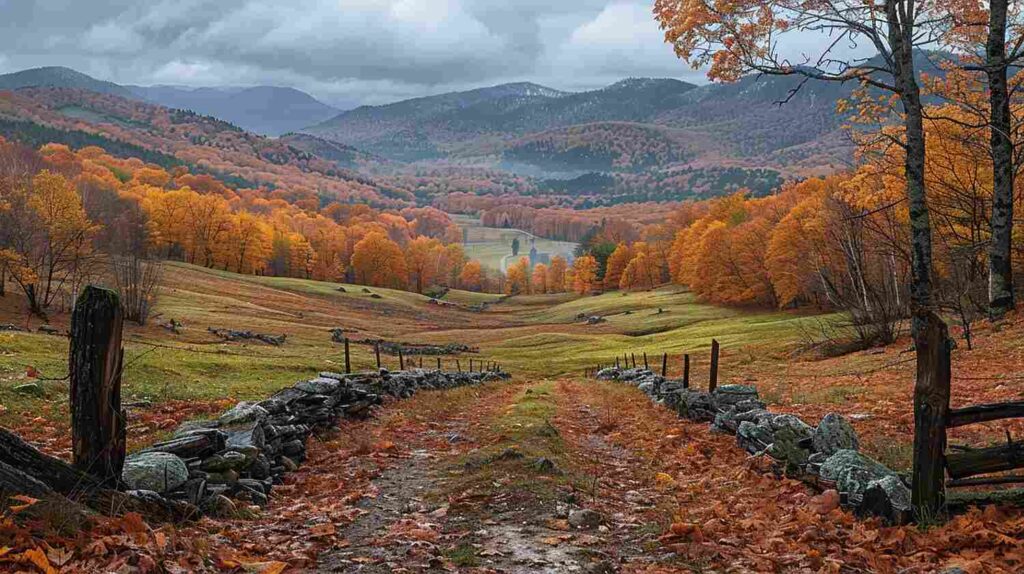
    Autumn brings colourful trees, cooler air and fewer visitors. Forests turn yellow, orange, and red. The hills look different from their summer appearance, making the season a great time for photography and peaceful walks.

    In September, the weather is generally mild, often around 10°C and rarely above 16°C. October cools down. November has shorter days and more rain. As winter approaches, snow may occur on higher ground.

    Early autumn is lovely for scenic drives and walks in places like Glencoe and the Cairngorms. Later in the year, some hotels and attractions start to cut back on their hours.

    For more information, please see our Scotland in November Travel Guide: Weather, Places & Tips.

    Bring warm layers, waterproof clothes and shoes with excellent traction. Check the local weather reports before you leave, especially if you are planning a long walk.

    Autumn is a good time for travellers who enjoy colourful views and quiet travel.

    Scottish Highlands in Winter

    scottish-highlands-in-winter

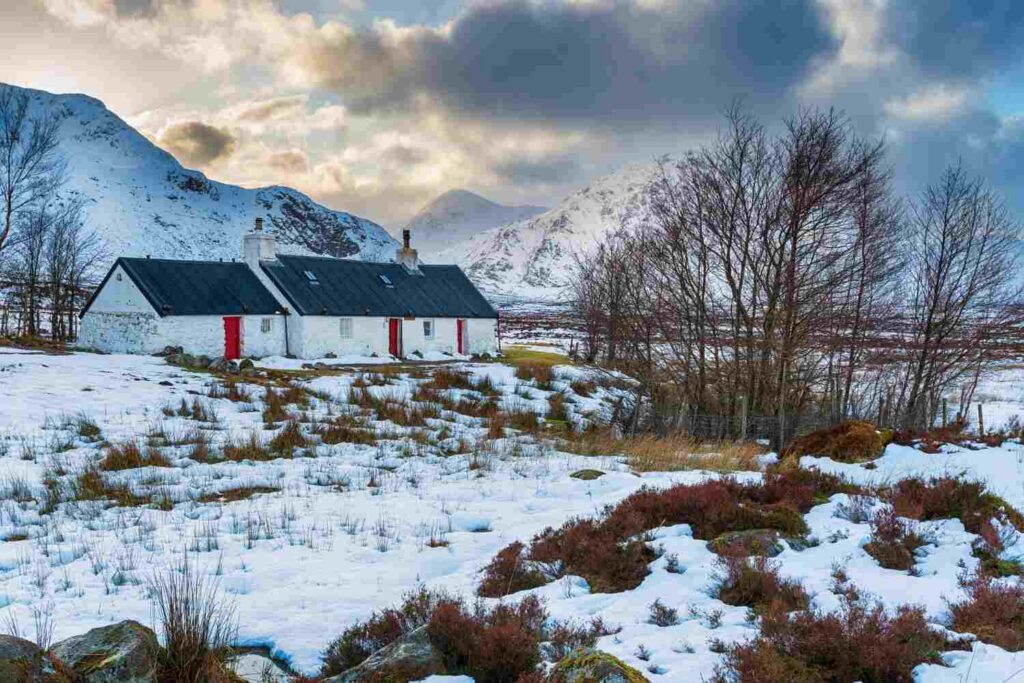
    Sometimes snow covers the mountains. Frost comes on the hills. The days seem shorter. Under a clear winter sky, some places look beautiful. Other places stay wet and windy.

    Winter temperatures in the lower areas are often between 0°C and 7°C, while the mountains are usually colder. Roads can get icy, and snow can make travel difficult. Check road reports before driving to remote areas or between towns.

    When to visit the Scottish Highlands depends on what you want to see and do. Winter is a good choice if you prefer quieter towns, cosy accommodation and views of snow-capped mountains. When there is enough snow, you can also ski or snowboard at mountain resorts. Be prepared for cold weather, shorter days and possible travel delays.

    Be flexible with your plans. Some attractions are partly closed for winter. Buses and trains may not be as frequent in remote areas. Bring warm clothes, waterproof boots and extra layers.

    Some Highland towns hold Christmas events and put up festive lights in December. January and February are usually slow months, with fewer people at famous places.

    Winter is a pleasant time if you don’t mind the cold and want a quiet trip. If you are driving, it takes more planning than in summer.

    What Month Is Best for Your Trip?

    The best month to visit the Scottish Highlands depends on your plans, budget and weather preferences. Here is a quick look at what each part of the year brings.

    • March and April: Good for quiet trips and early spring sights. Expect cold days and changeable weather.
    • May: Longer days, fresh scenery and fewer summer crowds.
    • June: Plenty of daylight and time for sightseeing.
    • July and August: Likely to be warm, but with higher visitor numbers and prices.
    • September: Cool days, the first signs of autumn colours, and fewer crowds.
    • October: Great for forest colours and scenic drives. More rain and shorter days.
    • November: Quiet towns and moody views, though some attractions have shorter hours.
    • December to February: Cold weather, possible snow, and fewer tourists.

    May, June, and September are particularly worthwhile months to consider. They offer a good mix of daylight hours, outdoor activities, and a chance to avoid the most crowded summer weeks.

    When thinking about the best time to visit the Scottish Highlands, start with your main plans. A walking holiday requires different weather than one centred on castles, villages and short drives.

    Tips for Planning Your Highland Trip

    A little planning goes a long way, no matter the season.

    • Wear layers. The weather can change quickly, even in summer.
    • Carry waterproof clothing. Rain can happen year-round.
    • Book early for summer. Hotels and tours fill up quickly.
    • Check road conditions. Winter snow and ice affect some routes.
    • Allow time between stops. Highland roads are twisty and narrow.
    • Check opening times. Some attractions close early or have reduced hours in winter.
    • Plan for midges. In summer, insect repellent is advisable, especially near lochs and in wooded areas.

    For more inspiration, check out our guide to the Enchanting Scottish Highlands and our list of the Best Places to Visit in Scotland.

    Visit the Scottish Highlands

    Each season shows a different face of the Highlands. Spring and autumn are best for travellers who prefer quieter places. In summer you have longer days outdoors, and in winter you have cold weather and quiet views.

    Consider where you’d like to go, what you’d like to do and what weather you like. With the right plan, you’ll have more time to enjoy the scenery and less time worrying about travel problems.

    Go Highlands Tours helps travellers plan trips around the Scottish Highlands, with routes and stops tailored to their interests and schedule.

    FAQs

    Q1. When is the best time to visit the Scottish Highlands?

    Many travellers like May, June and September. The weather is mild, and the days are long. It is also quieter than at the height of summer.

    Q2. What is the warmest month in the Highlands?

    July is usually one of the warmest months. Daytime temperatures are often 15°C to 20°C. But it can be cooler, and it can rain.

    Q3. When is the cheapest time to visit the Scottish Highlands?

    Late autumn and winter often have lower hotel prices than summer. Prices vary by location, school holidays, and local events.

    Q4. Is November a good time to visit the Highlands?

    Yes, if you like quiet places and cool weather. It rains a lot, and the days are short. Some places also have shorter hours.

    Q5. How many days should I spend in the Scottish Highlands?

    If you want to see a few of the main places, three to five days is a good start. A longer trip allows you more time for the Isle of Skye, small remote villages and scenic walks.

  • Invergordon Cruise Port Guide: Terminal, Distances & What’s Within Reach

    Your cruise ship has arrived in the Scottish Highlands. From the deck, you can see green hills, calm water and small towns along the Cromarty Firth. You have a few hours to explore before your ship leaves.

    The challenge is knowing where to go and how much time to allow. You could visit Loch Ness, wander around a Highland town, explore a castle, or have a classic coffee.

    This guide covers Invergordon cruise port, the walk into town, nearby attractions, transport options and tips for planning your day. You’ll also learn how to make the most of your time ashore without risking a late return to your ship.

    Your First Look at Invergordon Cruise Port

    Invergordon is in the Scottish Highlands, on the Cromarty Firth. The Port of Cromarty Firth can handle cruise ships of all sizes thanks to its calm waters and deep berths.

    The port is close to the town centre, so it’s simple to walk around Invergordon. Before heading further into the Highlands, you can explore the shops, cafés, and colourful murals here.

    Many people start their trips in Invergordon and go on to see Loch Ness, castles, Inverness, and the nearby countryside. You don’t have to go very far to enjoy your stop, though. You can spend a few hours in town and still have fun.

    The best thing to do depends on when your ship leaves, what you’re interested in, and how far you want to go.

    How to Get to Your Invergordon Ship Dock

    At the Port of Cromarty Firth, cruise ships dock at specific spots. How the port handles passengers can change depending on your ship, berth, and trip type.

    There isn’t a large passenger terminal as you would find at an airport. Instead, the port sets aside areas for people, coaches, and other transportation. The facilities and pickup points may vary depending on where your ship docks.

    On cruise ship excursions, passengers usually follow directions to reach their coaches. Visitors who are travelling alone can leave on foot through the West Harbour exit. Don’t assume everyone uses the same exit. Instead, listen to what the port staff and your cruise line tell you.

    The port also provides information to help passengers get around town and the Highlands.

    Check the daily newsletter or information on board your cruise ship before you get off. Confirm where you will be picked up, how you will be returned, and any instructions for getting back on board.

    Getting into Town Without Any Trouble

    The port is about a 15–20 minute walk from Invergordon’s town centre. The exact route and time depend on where you are berthing and which exit you use as a passenger.

    Once you reach the main streets, you can browse small shops, visit a café, or walk along the town’s mural trail.

    The murals show scenes from local history, work, and community life. They make the streets more interesting and make it easy to learn more about Invergordon without going far.

    You can also go to the Invergordon Museum, as long as it’s open. Make sure it’s not already in your plans before you add it.

    Spend an hour or two exploring the town before meeting your driver or heading back to the ship. This is a suitable option for people who would rather take a short walk than a long trip.

    In the Highlands, Loch Ness Is a Must-See

    The most well-known natural attraction in Scotland is Loch Ness. People have told stories about Nessie, the famous Loch Ness Monster, because the water is very deep and the hills are very steep.

    If traffic is heavy, the trip from Invergordon to Urquhart Castle could take an hour or more each way. Give yourself extra time to park, get in, and look around the site.

    Before you go, check the castle’s opening times and ticket availability. Historic Environment Scotland’s website always has the most up-to-date information for tourists.

    Focus your day on Loch Ness and Urquhart Castle. If you add too many faraway attractions, you might not have time to enjoy each one.

    Inverness: Highland History and City Life

    Inverness gives you a different way to spend your time ashore. As the main city of the Highlands, it has shops, cafés, riverside walks and historic sights.

    You can walk beside the River Ness, explore the city centre or stop for lunch before returning to Invergordon. The city is a practical choice for visitors who want to explore a Highland town without spending the whole day travelling between rural attractions.

    Public transport can be an option, but check the current bus and train timetables before setting off. Allow enough time to get back to the port.

    A planned tour can also help you combine Inverness with another nearby attraction, provided your ship’s schedule allows it.

    Dunrobin Castle: A Look at Scotland’s Past

    Dunrobin Castle, north of Invergordon, close to Golspie. Its tall towers, landscaped gardens, and coastal views make it a striking stop for visitors interested in Scottish history.

    Allow enough time for the drive, your visit and the return journey. Adding another distant attraction may not be practical during a short port call.

    Dunrobin Castle is a particularly appealing choice for visitors who enjoy historic buildings, gardens and stories about Scotland’s past.

    Choosing the Best Way to Explore

    Your transport choice will depend on your budget, where you want to go, and how much time you have before your ship sails.

    Public Transport

    Public transport may suit passengers who want to explore one town independently. However, services may limit what you can see on a brief visit.

    Taxis

    A taxi gives you more control over where you go and when you leave. However, longer journeys to attractions such as Loch Ness or Dunrobin Castle can cost more than a short trip around town.

    Arrange the fare and return pickup with the driver before setting off. Don’t assume a taxi will be waiting when you finish sightseeing.

    Private Tours

    A private tour gives your group more control over the route and how long you spend at each stop. You can discuss your interests with the tour operator and choose an itinerary that suits your group and ship’s schedule.

    At Go Highland Tours, we help visitors explore the Highlands with planned trips from Invergordon. Check the route and return arrangements before booking so you know what your day will include.

    Compare available routes on our Invergordon Cruise Shore Excursions page.

    Planning Your Day Around the Ship’s Schedule

    Your ship’s time in port isn’t the same as your sightseeing time. You need to account for getting off the ship, finding your transport, travelling between stops and returning before boarding closes.

    Start by checking your ship’s arrival and departure times. Find out when you need to be back on board, then plan your day around that deadline.

    Keep these tips in mind:

    Keep your ship information handy. Save your boarding time and port details.

    Confirm your pickup point. Know exactly where your driver will meet you.

    Leave a safety margin. Aim to return well before your required boarding time.

    Our Tours from Invergordon page has more options to compare. Look at the full itinerary and the time available at each stop, not only the number of attractions included.

    Make Time for Invergordon Itself

    It’s easy to think of Invergordon as a place to leave as soon as your ship docks. However, the town has its own attractions and is worth exploring.

    You can follow the mural trail, browse the local shops or stop at a café. The Invergordon Museum is another option when it is open.

    You can also look for the town’s Duck Trail, which takes visitors along the High Street to find duck stickers displayed in shop windows. It’s a simple activity that lets you explore the town while supporting local businesses.

    These local attractions work well at the start or end of a longer trip. They are also a good choice when you prefer a relaxed day without a long drive.

    Read our What to Do in Invergordon in One Day article for more ideas.

    Go Highland Tours also runs Scottish Highlands Tours for visitors keen to explore the region’s landscapes, history, and local attractions.

    You don’t have to see every famous place during one port call. Choose the stops that interest you most, allow enough time for travel and enjoy the parts of Scotland you have the opportunity to explore.

    Frequently Asked Questions

    1. How far is Invergordon Cruise Port from the town centre?

    The town centre is around a 15–20 minute walk from the port. Your berth and the designated passenger exit will determine the exact route. Follow the directions provided by port staff.

    2. Does Invergordon have a cruise terminal?

    Invergordon has designated cruise passenger areas and working port facilities rather than a large airport-style terminal. Passenger exits and transport arrangements vary by berth and excursion type. Follow your cruise line’s instructions when leaving the ship.

    3. Can you walk from the port to Invergordon town centre?

    Yes. Many cruise passengers can reach the town centre in about 15–20 minutes. You can explore the mural trail, visit local shops and cafés, or check whether Invergordon Museum is open during your visit.

    4. How far is Loch Ness from Invergordon?

    The distance depends on which part of Loch Ness you want to visit. Urquhart Castle, on the western shore, can take around an hour or more to reach by road. Check the route before travelling and allow time for your visit and return journey.

  • Hogmanay in Scotland: Edinburgh or the Highlands?

    It sounds fun to plan a trip to Scotland for the New Year until you have to decide where to go.

    Want to join a busy Edinburgh street party, watch fireworks over the castle, and dance with lots of other people? Or something more peaceful, like a cottage in the Highlands with a cosy pub where you can listen to live folk music?

    Each is unique for its own reasons, but the experiences are very different. This city is perfect for people who like big parties and busy streets. If you want some fresh air, peaceful views, and a slow start to the year, the Highlands are a good choice.

    This guide compares the two places, explains what to expect, and gives useful information about the weather, getting around, where to stay, and traditional ways of doing things in each area. You’ll have a better idea of where to spend New Year’s Eve with your partner, family, or friends.

    What is Hogmanay?

    Hogmanay is the Scottish word for New Year’s Eve and all the fun things that happen on that day. Scotland starts the new year with parties, music, fireworks, and long-standing traditions.

    People often do something called “first-footing”. It is said that the first person to come into a house after midnight will bring luck. They might bring something small, like coal or shortbread.

    There’s also the well-known song “Auld Lang Syne”, which is sung at midnight. As they sing it together to welcome the new year, they often hold hands.

    These traditions are still alive in Edinburgh and the Highlands, but they are celebrated in different ways. One brings the life of a big city. One lets you get a better look at everyday life in the area.

    Edinburgh: A Big New Year Celebration

    Imagine yourself standing on the street, music in the air and fireworks over Edinburgh Castle. On New Year’s Eve, historic buildings, packed pubs, food stalls and crowds create a lively setting.

    Edinburgh hosts one of Scotland’s most famous Hogmanay parties. Events include live music, outdoor parties and a torchlight procession in the days before New Year’s Eve. The programme changes each year, so check the official event details before making your arrangements.

    At midnight, fireworks could explode over the castle, while crowds count down to the new year. Some events are ticketed, and entry rules differ from year to year. Book early and enjoy more choice.

    There is a lot to do in the daytime as well. You can explore the Old Town, visit the museums, walk the Royal Mile or pop into a pub for a hot meal. You won’t need a car for most city visits, as many places are within walking distance, and buses and taxis are available for longer trips.

    Edinburgh is also an excellent choice for a short break. You can get there by train, bus, or plane and do several activities in two or three days.

    The only downside is the crowds. Popular streets can be very busy, and outdoor celebrations can mean standing in the cold for a long time. Hotels in central areas can also get expensive during the holiday period.

    If you like live music, fireworks, busy pubs and a full programme of events, choose Edinburgh. It may not suit people who prefer a quiet evening or find large crowds overwhelming.

    A Quiet New Year in the Scottish Highlands

    Now think of a different kind of New Year. You are in a mountain cottage, strolling in a peaceful village and enjoying a night in a pub with folk music.

    Highland Hogmanay is often more laid-back than big-city celebrations. Some towns and villages have local get-togethers, live music nights, or ceilidhs. A ceilidh is a traditional Scottish social gathering with music and dancing. You don’t need to be an expert. People can teach you the moves.

    Inverness combines town life with the surrounding countryside. Aviemore and Glencoe are also good bases for exploring Highland scenery, though the events on offer at each destination vary from year to year.

    The views are a giant part of the experience. There may be snow on the mountains, you may see red deer, or you may take a walk beside a loch. Snow isn’t guaranteed, and winter weather can change quickly, so plan outdoor activities carefully.

    Late December days are short. In many Highland places, sunrise is at about 9 am, and darkness comes in the afternoon. Plan walks during daylight hours and check local weather reports before heading out.

    Here, transport needs more planning than in Edinburgh. Some towns have buses and trains, but rural areas can have limited services, especially around public holidays. Hiring a car gives you more freedom; a guided trip helps you explore without driving on unfamiliar winter roads.

    The Highlands are ideal for couples, families, photographers, or anyone needing a peaceful getaway. Please note that some restaurants, shops, and attractions may be closed during the holiday. Check opening times before visiting.

    Edinburgh vs Highlands: Which One Should You Go For?

    The kind of New Year you want is what your ideal trip comes down to.

    If you want a big celebration, live entertainment, busy streets and plenty of places to eat, Edinburgh is the better choice. It’s also easier for visitors who don’t want to drive around.

    If you like mountain views, outdoor activities, local events, and peaceful nights, then the Highlands are a better pick for travellers. You’ll need to sort out transport and allow extra time to get from one place to another.

    Families should consider their children’s needs. There’s loads to see in Edinburgh, but the main evening celebrations can be tiring for little children. Families may find a Highland stay gives them more space and time together, but winter walks and rural travel require care.

    You don’t have to choose one. Some visitors ring in the New Year in Edinburgh and then head north for a few days of scenery and relaxation. Our guide to the best places to visit in Scotland will help you plan the rest of your trip.  

    Planning for Your Hogmanay Trip

    First, sort out your accommodation. Edinburgh hotels book up quickly around New Year’s Eve, and Highland cottages and small inns may have fewer options. Check the location and compare prices before you book.

    Think about how many days you’ve got. Edinburgh is a fantastic place for 2 or 3 days. A Highland trip takes about three or four days, with short walks and stops along the way.

    Bring warm layers, gloves, a hat, waterproof clothing and comfortable shoes. Scottish winter weather can include rain, wind, frost and snow. Our guide to travelling in Scotland in November gives you a good idea of what to expect in colder weather, but December can be quite different.

    Arrange your transport before you arrive. Edinburgh is largely a city for walking, though Highland attractions may be spread out. Read our transport guide to compare the different ways to get around.

    You can also visit our Where to Stay page for accommodation ideas and our Multi-Day Trips page for ideas for a longer journey 

    Summary

    Are you wondering where to spend Hogmanay in Scotland? Or is Edinburgh or the Highlands better for Hogmanay? New Year in Edinburgh is a party with music and fireworks. The Highlands give you more space to relax, enjoy the view, and spend time with the people who matter. 

    There are many ways to celebrate Hogmanay. Choose Edinburgh for a party and the Highlands for a quieter break. Then check the weather, travel time, and what events are on that year.

    At Go Highland Tours, we know a fantastic trip starts with a plan that’s right for you. Book in advance, keep your schedule flexible, and enjoy celebrating the new year in Scotland.

    FAQs

    Q1. When is Hogmanay celebrated in Scotland?

    Hogmanay is celebrated on 31 December, with festivities continuing into New Year’s Day on 1 January.

    Q2. Do you need tickets for Edinburgh Hogmanay?

    Some Edinburgh Hogmanay events require tickets, while others have specific entry rules. Check the official programme before you visit.

    Q3. What is the first-footing tradition in Scotland?

    First-footing is a Scottish New Year tradition. People believe the first person to enter a home after midnight brings good luck for the year ahead.

    Q4. Are the Scottish Highlands suitable for families during Hogmanay?

    Yes, the Scottish Highlands are a good choice for families who enjoy nature, wildlife, mountain views and short walks. Plan for short daylight hours and cold winter weather.

    Q5. How many days should you spend in Scotland for Hogmanay?

    Two or three days are enough to explore Edinburgh. Plan for at least three or four days to explore the Scottish Highlands, with extra time for longer journeys and sightseeing.

    Q6. Do you need a car to explore the Scottish Highlands?

    A car makes it easier to visit towns, villages and attractions across the Highlands. You can also book a guided tour if you prefer not to drive on winter roads.

  • Hidden Gems in the Scottish Highlands You Shouldn’t Miss

    Loch Ness, Glencoe and Skye get most of the attention. The Highlands have plenty more to see. Small villages, waterfalls, quiet lochs, and nature reserves offer a different way to explore the region.

    Some places in this guide are well known. Others stay quieter. Each one is worth a stop on your trip.

    Quiet Villages and Coastal Places

    Dingwall

    Dingwall in the Scottish Highlands is a historic town north of Inverness. The town became a Royal Burgh in 1226 and has links to Pictish and Norse history. Walk through the town centre, then head towards the Cromarty Firth to enjoy the coastal views. 

    The Black Isle

    Despite the name, the Black Isle is a peninsula, not an island. You find farmland, small villages and water views. Cromarty is a good stop if you like local history.

    Shieldaig

    Shieldaig is a small village in Wester Ross. Boats and houses line the waterfront, with views across Loch Shieldaig. Take a short walk along the shore before you drive on to Torridon.

    Applecross

    Applecross sits on the northwest coast and is already popular with visitors looking for hidden gems in Scotland. The Bealach na Bà road climbs through the mountains to reach the village and gives you wide views on clear days. The road has steep slopes, sharp bends and narrow single-track sections. Drivers unfamiliar with these roads should take care. Large motorhomes and caravans should choose another route. 

    Plockton

    Plockton sits beside a sheltered bay on the west coast. You see boats, sea views and palm trees in some gardens. Stroll along the waterfront, then visit nearby Loch Carron.

    Waterfalls, Lochs and Nature Reserves

    Rogie Falls

    Rogie Falls is near Contin, north of Inverness, and is one of the best places to visit in Scotland for nature lovers. A short woodland trail leads to the Black Water, where a suspension bridge offers views of the falls. The shortest trail is about 0.8 km and includes a steep slope. Visit after rain to see more water flowing over the rocks. In late summer and autumn, you may also see wild salmon jumping upstream. 

    Beinn Eighe National Nature Reserve: Beinn Eighe has ancient pinewoods and mountain scenery. The mountain trail is just over 6 km and takes three to four hours. Pack water and snacks.

    Torridon: Torridon has steep mountains, deep valleys and many walking routes. In August 2026, Torridon became Scotland’s newest National Nature Reserve.

    Falls of Measach

    The falls sit inside Corrieshalloch Gorge, near Ullapool. The River Droma drops about 45 metres into the gorge. A short walk takes you to a suspension bridge and viewing platform. The bridge dates from 1874. The gorge has steep drops, so stay on marked paths.

    Loch Maree

    Mountains and woodland surround Loch Maree, a freshwater loch with more than 60 islands. Stop at the viewpoints, take a short walk, or enjoy the view from a safe parking area.

    Falls of Foyers

    The falls are on the south side of Loch Ness. A woodland path leads to the waterfall as it drops through a deep gorge. Along the way, you also get views of the loch.

    Glen Affric

    Glen Affric has native pinewoods, lochs and mountain views. Walking routes of different lengths start across the glen, so you pick one to match your time and energy.

    How to Plan a Route Around the Highlands

    Distances look short on a map, but Highland roads are slow. Many are narrow, and you will want to stop for photos and walks. Pick two or three nearby places for each day instead of trying to see everything.

    Here are three routes to start with:

    Around Inverness: Rogie Falls, Dingwall and the Black Isle.

    Around Wester Ross: Shieldaig, Torridon, Beinn Eighe and Loch Maree.

    Around Loch Ness: Falls of Foyers and nearby viewpoints.

    Grouping stops saves driving time and leaves space for walking and meals. Start with the places you want to see most, then add stops along the same road.

    When to Visit and What to Know Before You Go

    Each season brings something different to the Scottish Highlands. Spring has fresh greenery and longer days. Summer gives you more daylight for sightseeing and walks. Autumn brings colour to the forests and hills, while winter brings snow to higher ground and makes driving more difficult.

    The weather can change at any time of year. Check the forecast before setting out for a walk or scenic drive.

    Things to remember before your trip:

    • Drive carefully on single-track roads and use passing places for other vehicles.
    • Pack waterproof clothing, warm layers and comfortable walking shoes.
    • Save offline maps before entering areas with poor phone signals.
    • Leave extra time for driving and walking stops.

    Cycling in the Scottish Highlands

    Quiet roads and wild scenery make the Highlands a great place to explore by bike. However, steep hills and changing weather can make rides harder. Plan your route, check the forecast and wear a helmet. Carry water, spare layers and a repair kit.

    Go Highlands Tours is the best off-road biking partner in the North Highlands for visitors who want to explore the region on guided off-road cycling tours with an experienced guide. 

    FAQs

    Q1. What are some quieter places to visit in the Scottish Highlands?

    Try Rogie Falls, Shieldaig, Loch Maree and Falls of Foyers. You get waterfalls, water views and time outdoors without the biggest crowds.

    Q2. Is one day enough to see the Highlands?

    One day is enough for a small area. Pick two or three nearby stops, such as Rogie Falls, Dingwall and the Black Isle.

    Q3. What is the best time to visit the Scottish Highlands?

    Summer gives you the longest days. Spring and autumn bring good scenery. Winter needs extra care on the roads.

    Q4. What should you pack for a Highland road trip?

    Bring waterproof clothing, warm layers, walking shoes, water and snacks. Download offline maps before you head into remote areas.

    Q5. Does GoHighlands Tours plan Highland itineraries?

    Yes. GoHighlands Tours builds a route around your interests and the time you have.

  • Family Trip to the Highlands: Where Families Actually Stay

    Planning a family trip to the Scottish Highlands can be exciting. You’ll have castles, lochs, mountain views, and small Highland towns to explore. But once the trip starts taking shape, a more practical question comes up: where will you stay?

    When you’re travelling with kids, choosing the right place to stay can make your trip much easier. A lovely hotel won’t help much if it’s far from the places you want to visit, doesn’t offer family rooms, or forces you to drive a long way every time you need food.

    This guide will help you make an informed choice about family trip highlands where to stay. We’ll look at some of the best family-friendly places to stay, what they offer, and what you should check before booking.

    Where to Stay with Your Family in the Scottish Highlands

    There isn’t one perfect place for every family in the Highlands. The area is huge, and the best place to stay depends on what you want to see, how long you’re staying, and whether you prefer a lively town or a quieter base.

    Here are some popular places to consider.

    Inverness

    Families visiting the Highlands for the first time often choose to stay in Inverness. This town has many hotels, guesthouses, restaurants, shops, and supermarkets because it is one of the main ones in the area.

    You can also take day trips from the city. You don’t have to stay in a different hotel every night to see Loch Ness, Urquhart Castle, the Culloden Battlefield, and other nearby villages.

    People with younger children may also appreciate how easy it is to get to shops and restaurants. A small Highland village is not likely to have what you need during your trip. Inverness is more likely to have it.

    Fort William

    If your family likes being outdoors and seeing mountains, Fort William is a good choice. The town is close to Ben Nevis, the highest mountain in the UK, and it’s easy to reach many beautiful places in the Highlands.

    Around the town, you can find hotels, guesthouses, self-catering accommodation, and family-friendly restaurants.

    Families can stay in Fort William and then explore Glen Nevis, ride the Jacobite Steam Train, or visit nearby lochs or valleys. Also, you don’t have to go hiking every day. There are many beautiful drives and sights.

    Remember that the summer can be busy, especially when the kids are off school. Booking your hotel early can give you more options.

    Aviemore

    Aviemore is another place to consider if your family likes outdoor activities. As it is in the Cairngorms National Park, it has a strong focus on the outdoors and adventure.

    There are hotels, lodges, holiday homes, and other types of accommodation. People with children often choose self-catering stays because they are easier with a kitchen.

    Aviemore is a good place for families who want to stay close to fun activities. Depending on the season, you can go walking, cycling, on wildlife tours, and do other outdoor activities.

    You can also get around the wider Cairngorms area from there.

    Skye Island

    The Isle of Skye offers some of Scotland’s most famous views. Picture dramatic coastlines, mountains, waterfalls, and small towns.

    If Skye is a big part of your trip, it might make sense for your family to stay there. After a day of exploring, you won’t have to drive back to the mainland.

    Portree is the island’s main town and has plenty of places to stay and eat. You can find a quieter place to stay in one of the smaller villages around the island, but services may be limited.

    Many people like Skye, especially when the weather is nice. There may not be as much accommodation as on the mainland, and prices may be higher.

    Before you book your trip, find out how far it is to drive if you have young children. On a map, some places look close, but it may take longer to get there because the roads are winding and Highland routes are slower.

    Glencoe

    Glencoe is a wonderful place to stay if your family wants to see beautiful mountain scenery. You can stay in a hotel, an inn, or a holiday cottage in this area, which is known for its rugged landscapes.

    If you stay near Glencoe, you can easily reach walking trails, lookout points, and beautiful drives. If you’re going from Fort William to another part of the Highlands, it can also work well.

    It’s quieter here than in bigger towns, which some families may appreciate after a day of sightseeing.

    On the other hand, there won’t be as many shops and restaurants as in Inverness or Fort William. If you’d rather cook some meals yourself, a self-catering cottage might be helpful.

    Cottages Where Families Can Cook Their Own Meals

    When choosing where to stay, hotels aren’t the only option. For families, a holiday cottage or apartment can be very helpful.

    • More space: There may be more room for everyone, and each person may have their own bedroom.
    • Kitchen: A kitchen also lets you prepare meals the way you want them.
    • Meals: You can quickly make dinner after a long day or breakfast before you leave.

    Before you book, make sure the place has parking, Wi-Fi, laundry facilities, a cot if you need one, and enough beds for everyone.

    Hotels, Bed and Breakfasts

    It might be easier to stay in a hotel or guesthouse if you don’t want to cook while you’re away. Many offer breakfast, and some have interconnecting rooms for family suites.

    They’re a practical choice for short stays. No chores to worry about when you arrive: check in, eat nearby, and get ready for the next day.

    When you travel with kids, don’t rely only on the pictures. Check the room size, bed arrangements, parking, breakfast times, and distance to restaurants.

    A family room that looks big in a photo might not feel spacious when bags, coats, and children’s things are everywhere.

    Don’t Forget About Your Kids

    A cottage in the woods might sound perfect, but a family with young children might want to be close to a shop and a restaurant. For older kids, it might be fun to stay somewhere close to walking paths and other outdoor activities.

    You should also consider how often you want to pack and move things. It can take a while to get from one hotel to another, especially with kids and a lot of stuff.

    Many families find it easier to stay in one place for a few nights and take day trips.

    How Long Does It Take to Drive?

    On a map, the Scottish Highlands might not seem as big as they are in real life. Roads can be narrow and winding, and inclement weather can slow you down.

    Because the places look close together, you might plan to visit five in one day. The day can get long when you add up the time spent driving, parking, eating lunch, and visiting each place.

    Allow more time between stops. Your family is likely to enjoy the trip more if you can take your time at each stop.

    Should You Move Around or Stay Put?

    You can do either.

    Staying in one place is easier. After putting your things away once, you can go on day trips. Families who don’t want to move their stuff every few days will prefer this option.

    In the Highlands, moving around gives you more time to see different areas. You could stay near Fort William for two nights and then go to Skye or Inverness.

    The best option depends on how your family likes to travel.

    Fewer bases may be easier if your kids don’t like long car rides or changing hotels often. If you enjoy road trips with your family, going from one area to another can help you see more of the Highlands.

    When Should I Make My Reservation?

    Book ahead if you want to travel during the summer holidays. Popular Highland destinations can get crowded, especially near Skye, Fort William, and Aviemore.

    Spring and autumn may be quieter, but the weather can change quickly.

    Winter has its fun, but some tours, attractions, and accommodation businesses have shorter hours. Always check opening times before you plan your days.

    Include Your Stay in Your Trip

    You don’t have to stay in a fancy place for your family holiday to be enjoyable. The most important thing is that it fits your plans.

    A hotel in the centre might save you time on the road. A cottage might offer more space. A remote lodge might offer the peace and quiet you want.

    We at GoHighland Tours know that families want to see as much of Scotland as possible without feeling rushed. Where you stay can really change how easy your days are.

    Plan your route, think about what your kids need, and know how long you’ll drive each day before you book. 

    By taking this simple step, you can spend more time enjoying the Highlands and less time travelling from place to place.

    FAQs

    Is Inverness a good place for families?

    Yes. Inverness has hotels, restaurants, shops, and supermarkets and is close to many popular tourist spots. It can be a good place for families to stay if they want to see sights and use everyday facilities.

    Should you stay in a hotel or a cottage?

    Your family will decide. Hotels can be easier because you don’t have to cook, but cottages usually have more space and kitchens. If you have young children, the extra space in a cottage may help.

    How long should a family stay in the Highlands?

    It depends on how you get there. A short trip of three or four nights might work, but a longer holiday gives you more time to stop and enjoy places like Skye, Inverness, Fort William, and the Cairngorms.

    Should families with kids stay on the Isle of Skye?

    Staying on Skye can save you time on the drive if it’s an important part of your plans. Portree is a popular place to stay, but smaller villages offer more peace and quiet. If you want to travel during busy times, book early.